In 1644, the ancient city of Lincoln was on the front line of the English Civil War.
With its lofty castle and commanding views of the surrounding countryside, Lincoln sits the frontier between East Anglia, the North, and the Midlands. And during the first English Civil War, it was a point over which the tide of war would ebb and flow before finding opening the door to one of Parliament’s biggest victories.
 In 1643, Parliament’s Eastern Association army, now under the control of Edward Montagu, the second Earl of Manchester, scored a number of victories against the Royalists in the region, not least the stunning rout at Winceby on 11th October, a battle which introduced one Oliver Cromwell and the disciplined cavalry of his ‘Ironsides’ to the national stage.
Emboldened by these successes, on 29th February 1644 Parliamentarian forces from Derbyshire, Leicestershire, Lincolnshire and Nottinghamshire converged on the Royalist stronghold of Newark in Nottinghamshire. This proved to be a miscalculation – the King’s nephew, Prince Rupert of the Rhine, changed the fortunes of the Royalist cause in the area in a brilliant victory on 21st March 1644, when he marched from Shrewsbury and relieved the siege of Newark by cornering and overcoming Parliament’s forces.
Forcing the besiegers to surrender their weapons, his actions scattered panic amongst the Parliamentarian commanders, who promptly evacuated the vulnerable garrisons at Lincoln, Gainsborough and Sleaford they had so recently captured. However, Rupert decided that he could not press on and, after garrisoning Lincoln under the command of Sir Francis Fane, he returned to Oxford to report to
Leaving both Newark and Lincoln in the King’s possession would be a major problem for Parliament’s war effort in the east and north – not only did both garrisons threaten vital communications between Parliament and their freshly-minted allies, the Scottish Covenanters, but they also potentially open the door for the Earl of Newcastle – the King’s commander in Yorkshire – to march down the Great North Road and attack London.
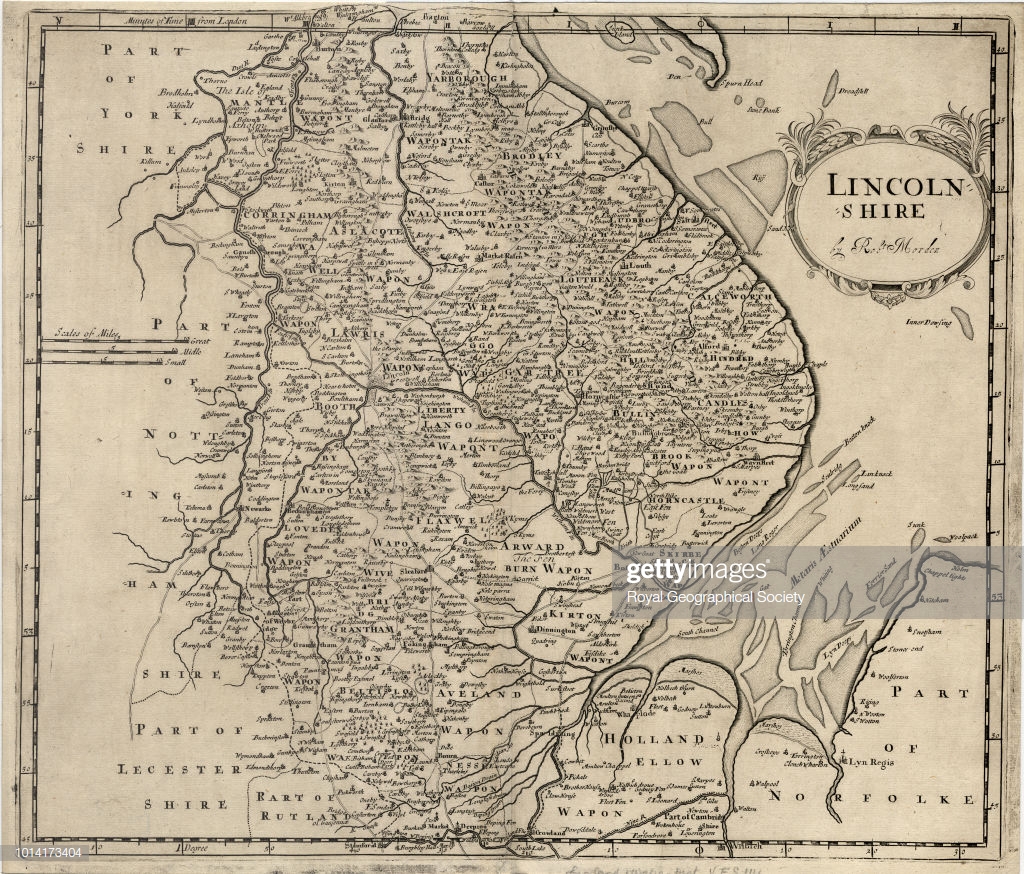
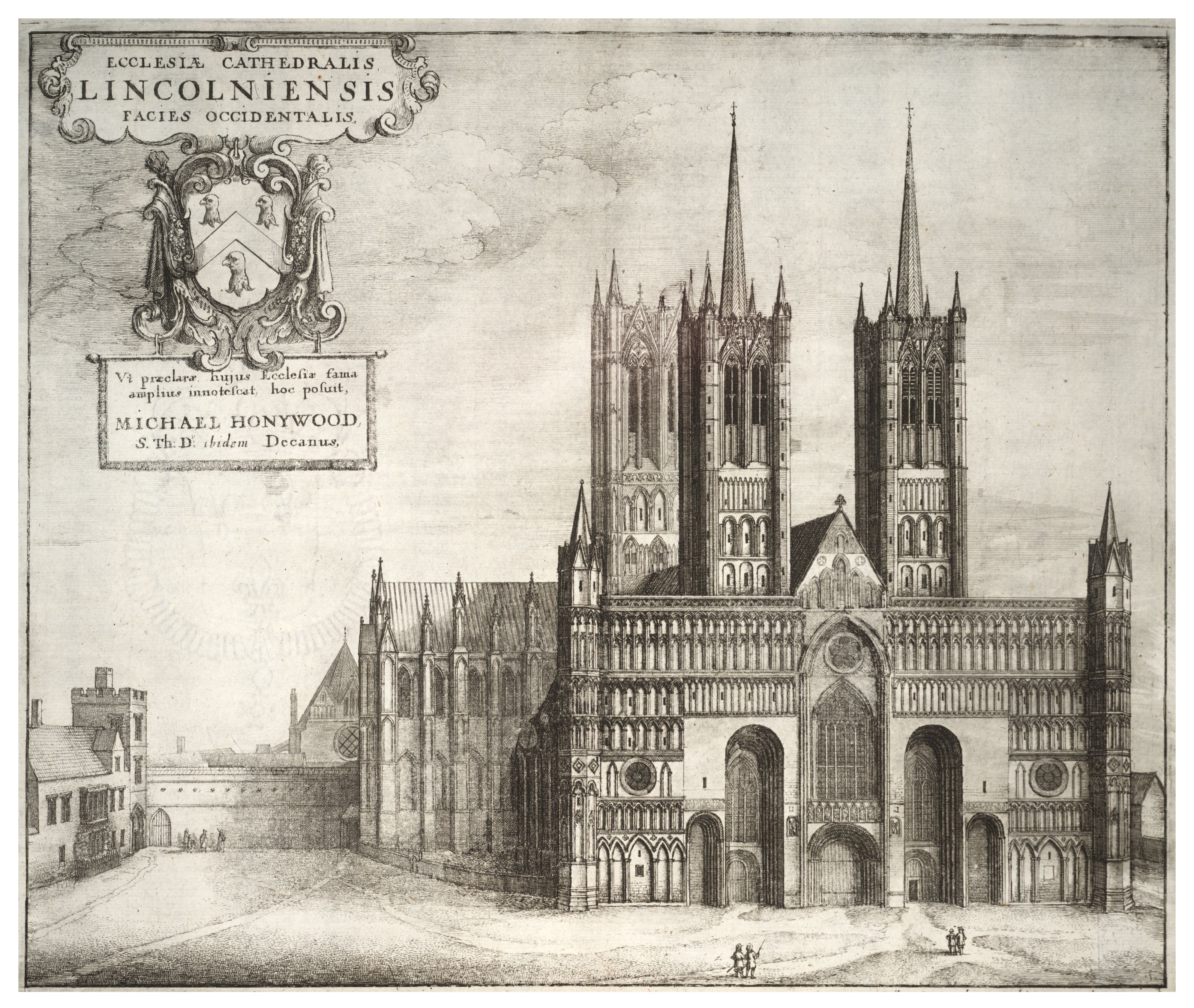
So, over the next month, the Eastern Association was forced to retrace its steps and clear Lincolnshire of Cavaliers once again. This was a near-lightning campaign across the county as Kings Lynn and Gainsborough were besieged as Manchester marched his force to Lincoln, arriving on 3 May 1644. His army comprised of 6,000 infantry and cavalry facing the town’s garrison, which was only about 2,000 strong. The Parliamentarians quickly captured parts of the lower town and the Royalists retreated to their upper works surrounding Lincoln Castle and the neighbouring Cathedral.
On 4 May, heavy rain thwarted the attack by making the mound under the castle too slippery. Meanwhile, Cromwell ensured that his cavalry prevented any interference from the Royalist cavalry commander Lord Goring and his ill-disciplined Royalist horse, which had recently broken out of the besieged York and had arrived at Newark.
On 6 May, Lincoln Castle was stormed with scaling ladders, which proved to be too short, but the Parliamentarians nonetheless managed to scale the walls and enter the castle. The Royalists fled from the parapets and begging for quarter, which was granted. Parliamentarian casualties were a mere eight killed and about 40 wounded. The Royalists had about 150 killed and between 650 and 800 taken prisoner. Giddy with victory, the Parliamentarian troops pillaged the upper town.
On receipt of Manchester’s report the Committee of Both Kingdoms, the Parliamentary committee that directed the war effort from London, sent him its congratulations and, on 7th May, the Earl declared a day of thanksgiving. The next day the Eastern Association marched out of Lincoln to the north to Gainsborough via Torksey and across a bridge of boats across the river Trent, en route to York.
The march on York and the subsequent Battle of Marston Moor, which would turn out to be one of the major turning points of the civil war, was underway; but it was on the slopes of Lincoln that the men of Mancheste’s army opened the gateway to the north.