England has only ever put a monarch on trial once – but at Huntingdon Town Hall last month, some of our members helped put King Charles the First on trial FOUR times!
Organised by the Cromwell Museum and our friends in Colonel John Pickering’s Regiment of Foote, the restaging of the Trial of Charles I was a fantastic day of sold-out audiences, as we brought this pivotal moment in world history back to life.
After the first and second civil wars of the 1640s, King Charles – tellingly referred to throughout the trial as simple ‘Charles Stuart’ – was placed on trial by his own Parliament at Westminster Hall in London and tried for high treason. Throughout the trial, Charles refused to enter a plea, arguing that the House of Commons was not a court and that he could not be tried as sovereign. The court, by the end made up of fewer than 70 of 150 commissioners, heard evidence behind closed doors and, after seven days of sitting, pronounced Charles guilty. He was executed on 30 January outside the Banqueting House in the Palace of Whitehall.
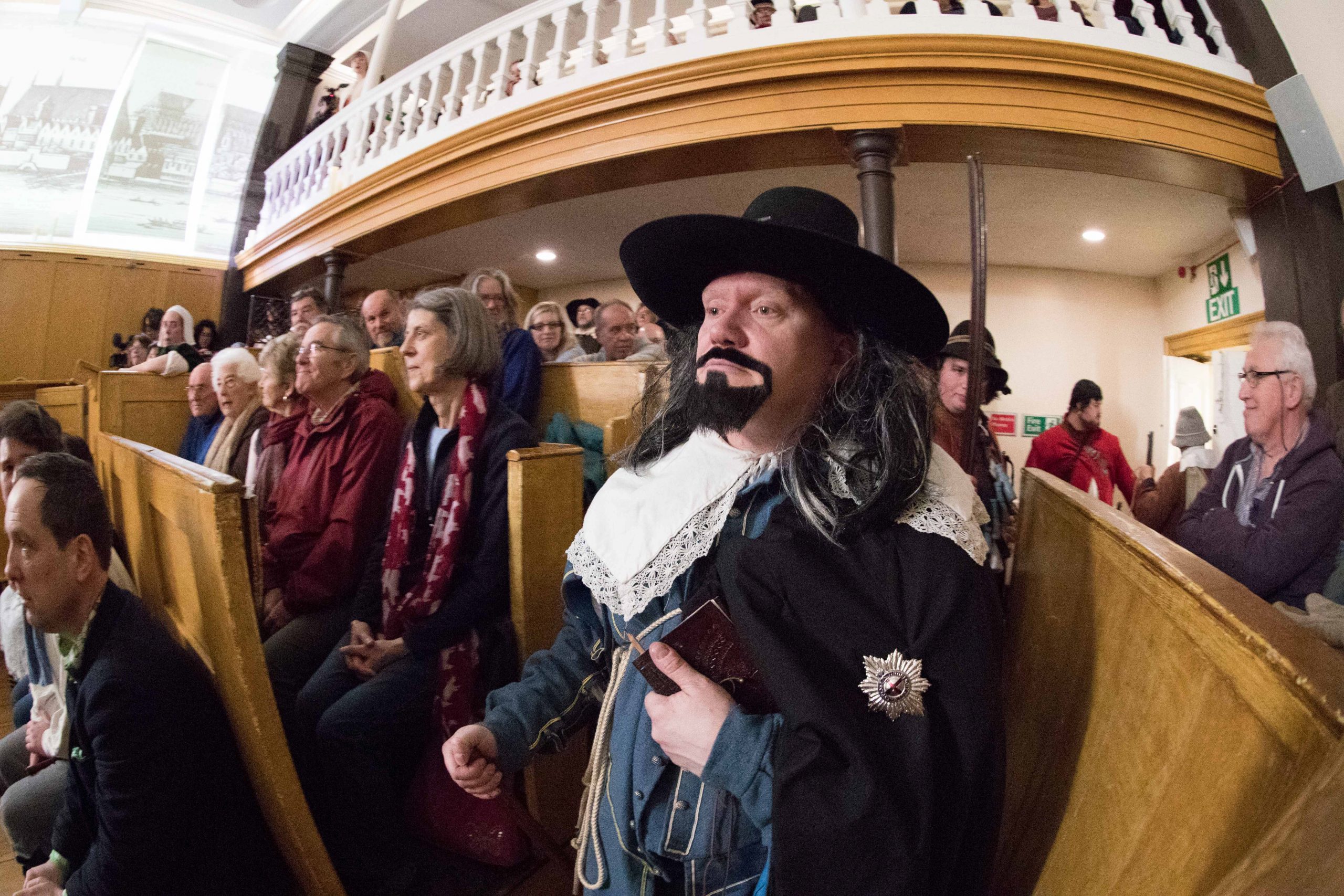
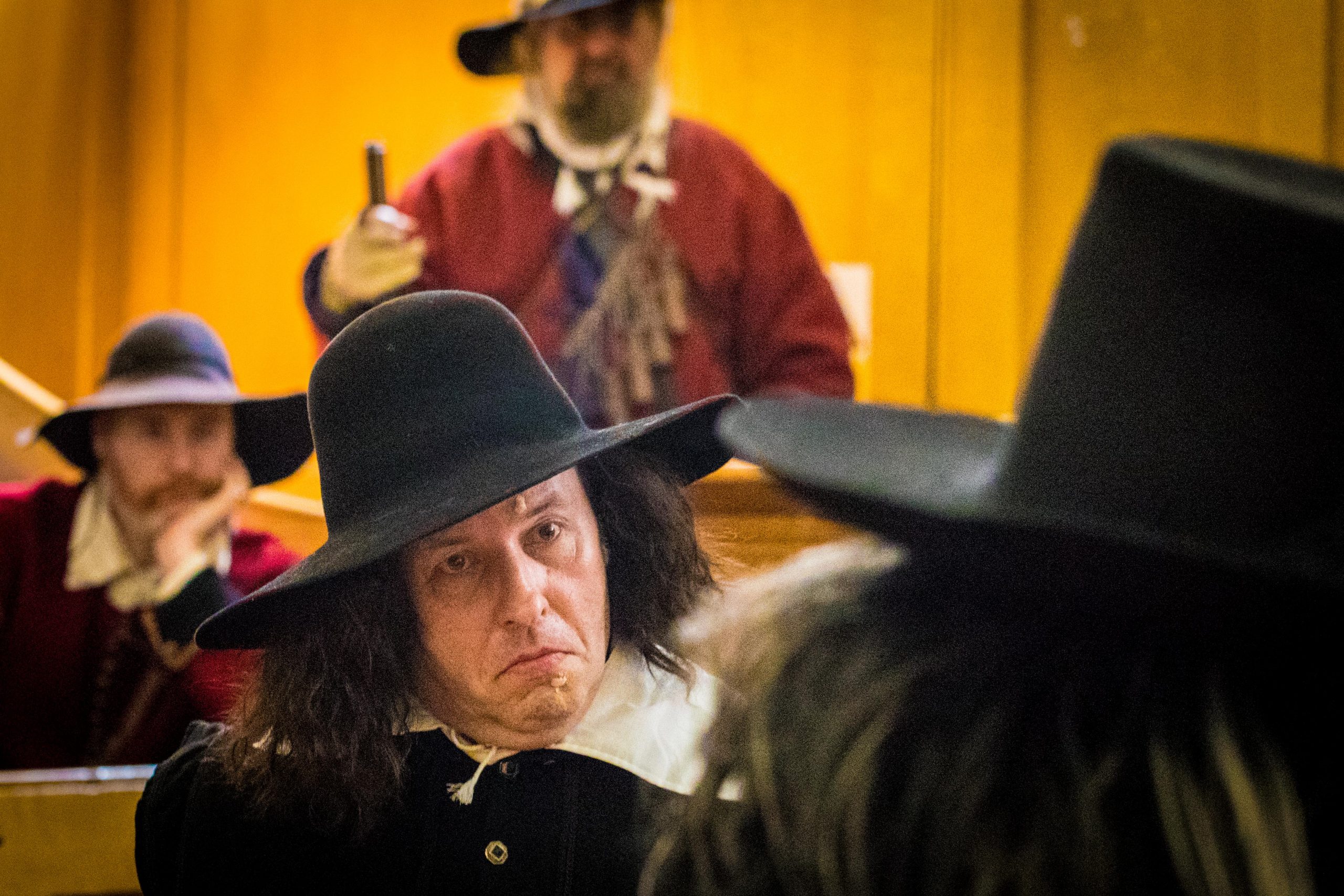
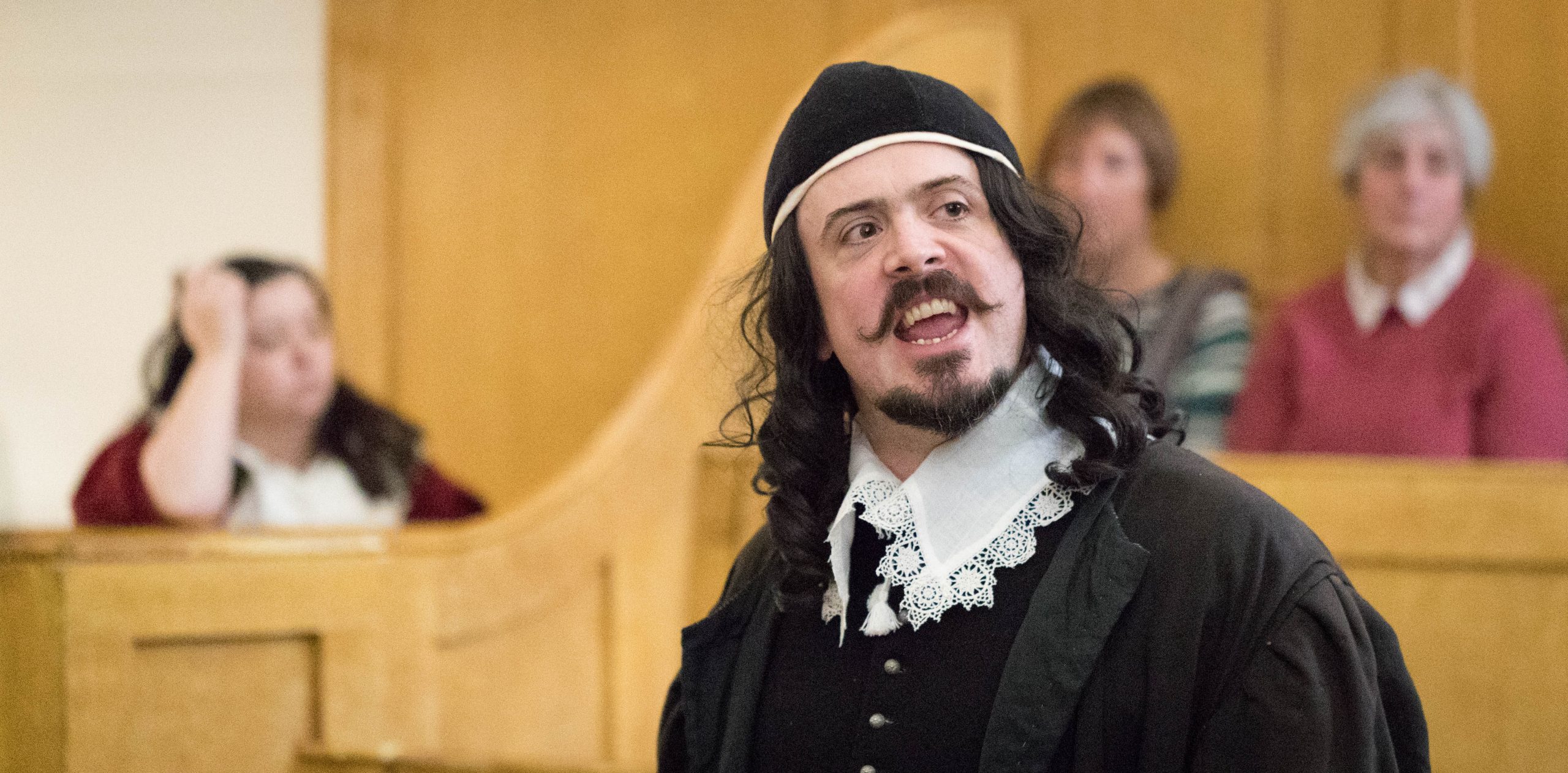
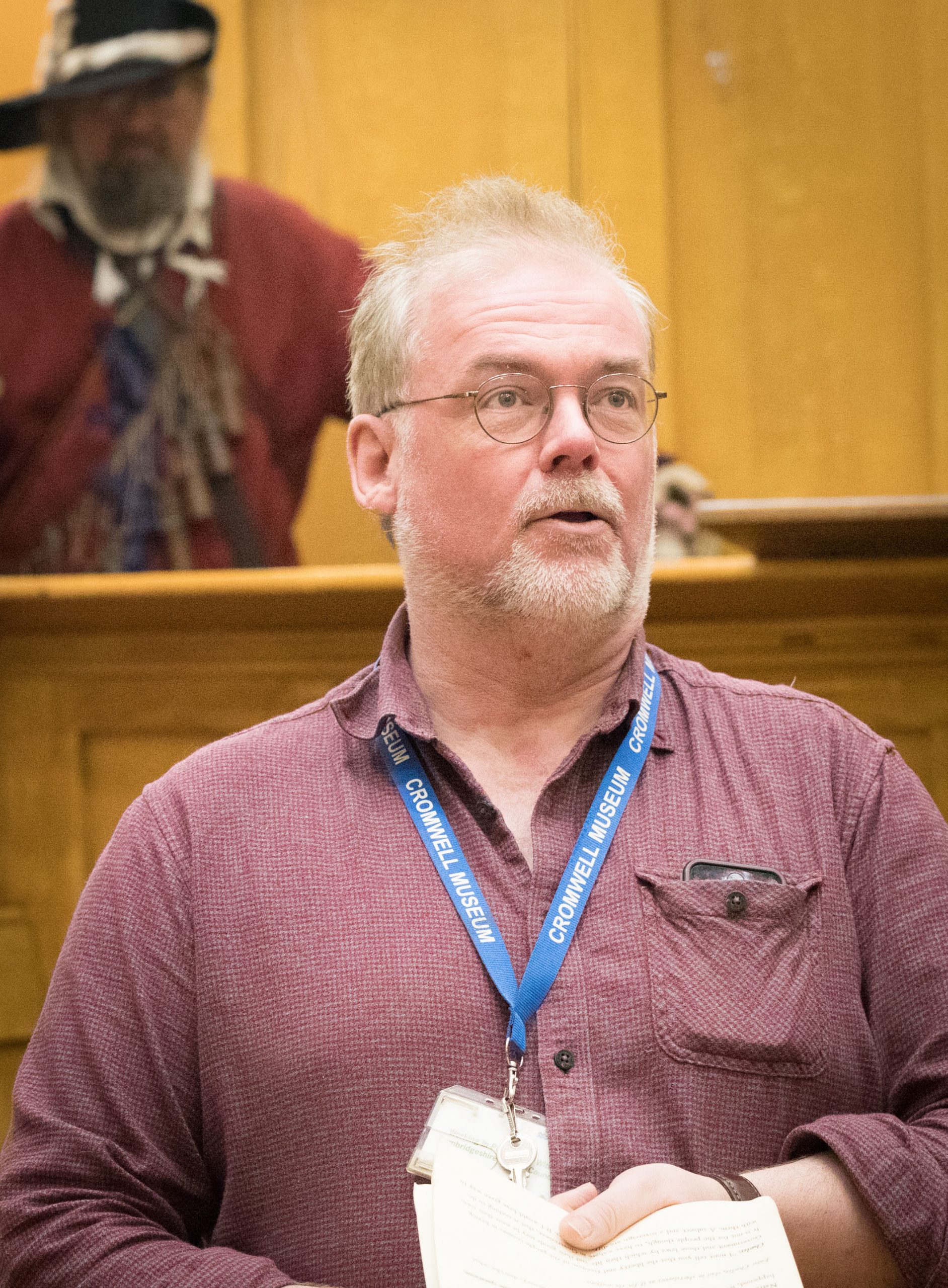
Members of the Sealed Knot played President of the High Court of Justice John Bradshaw, Chief Prosecutor John Cook, Oliver Cromwell, Henry Ireton, and numerous other parts in the packed courtroom at the town hall, itself the venue of famous 17th Century trials. Each phase of the trial was given context by Stuart Orme, curator at the Cromwell Museum.
It was great to see all the audiences throw themselves into it, shouting in support of the king or booing him when he walked into the courtroom. Even today, opinions over the rights and wrongs of the trial remain strong, but the reenactment sought to try and represent a balanced view as well as explain some of the decisions, arguments, and consequences of those fateful days.
Interestingly, after the trial the audience had the opportunity to vote on whether they felt the king’s execution was justified by placing a counter in a corresponding box. The previous year it had been fairly evenly split (including one of the days when the split was 48/52 against) but this year the judgement was firmly in Parliament’s favour, with 70 per cent of people voting that the trial and execution was justified.
A huge congratulations to all of the organisers and actors – there was nothing but praise from the audience members we spoke to, many of them saying that it was an event they had little knowledge about from school or history programmes.
Photos: simonhillphotos.com
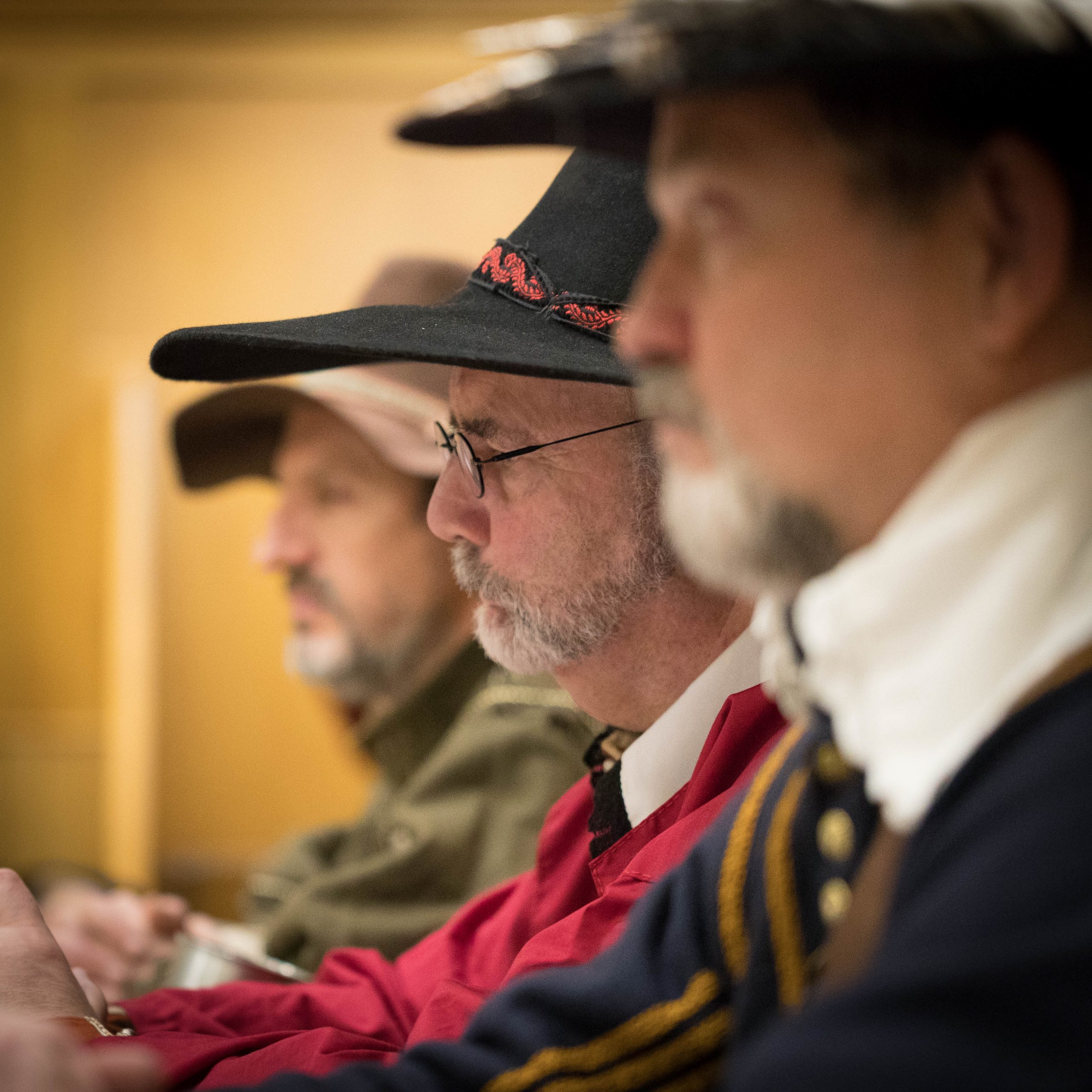
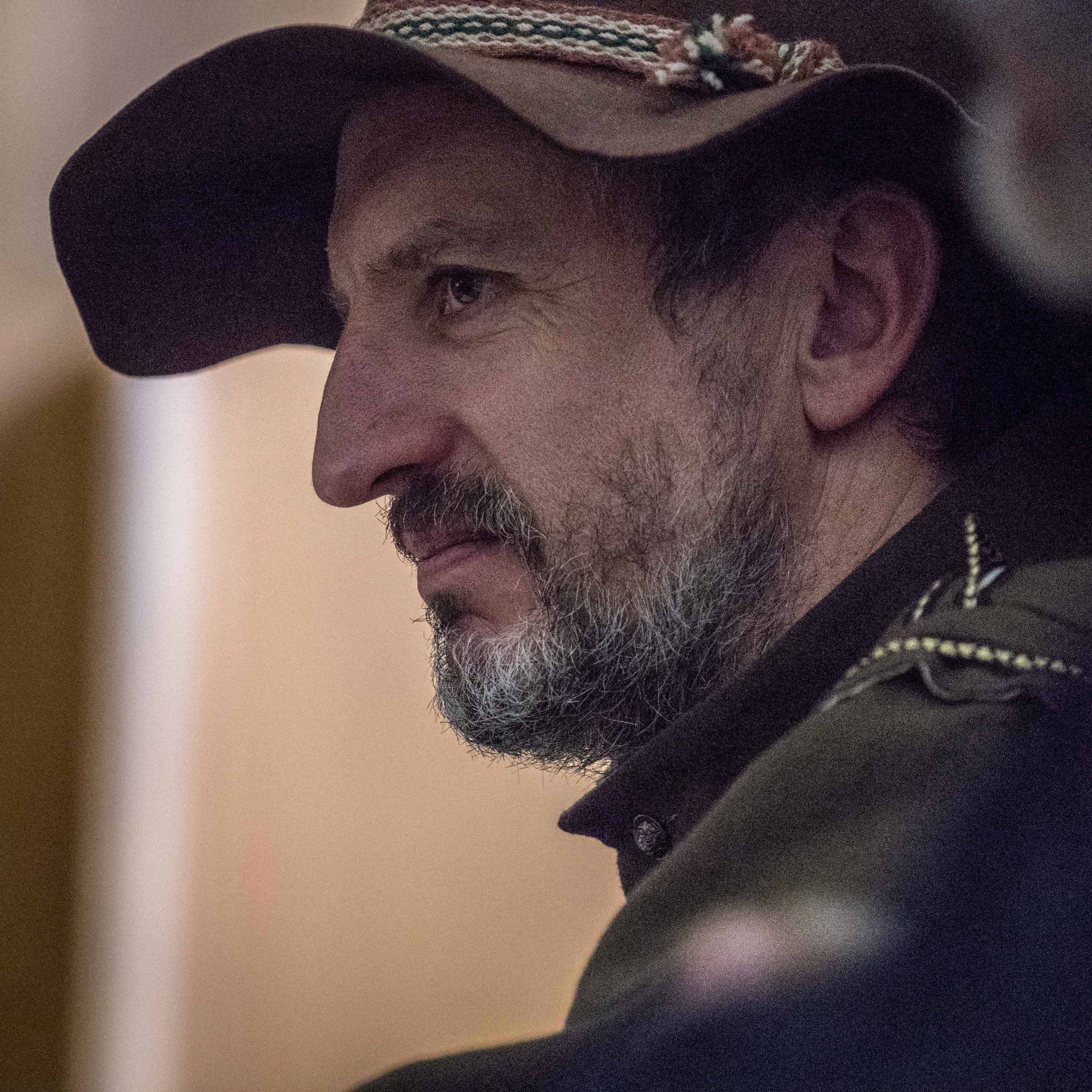
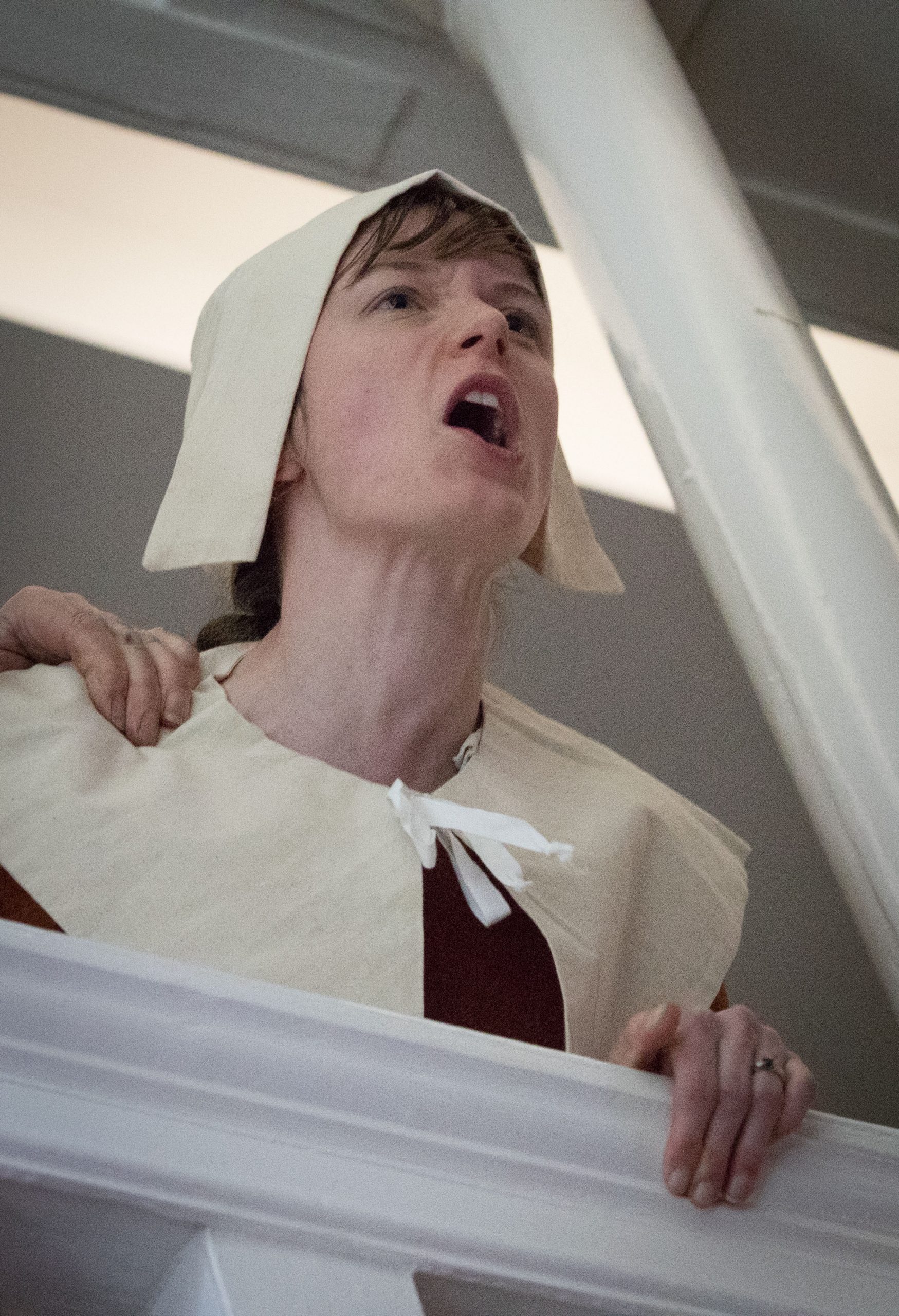
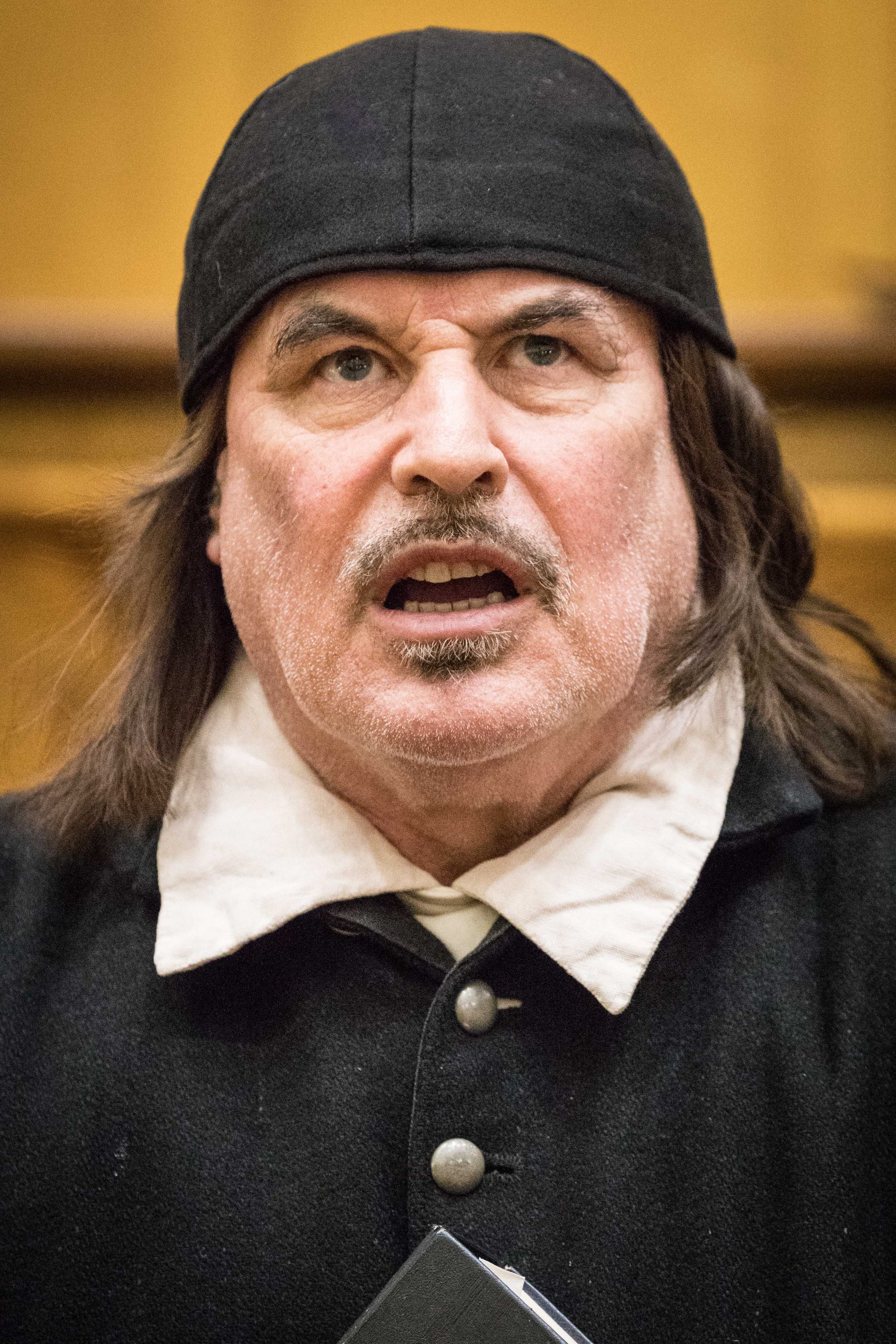
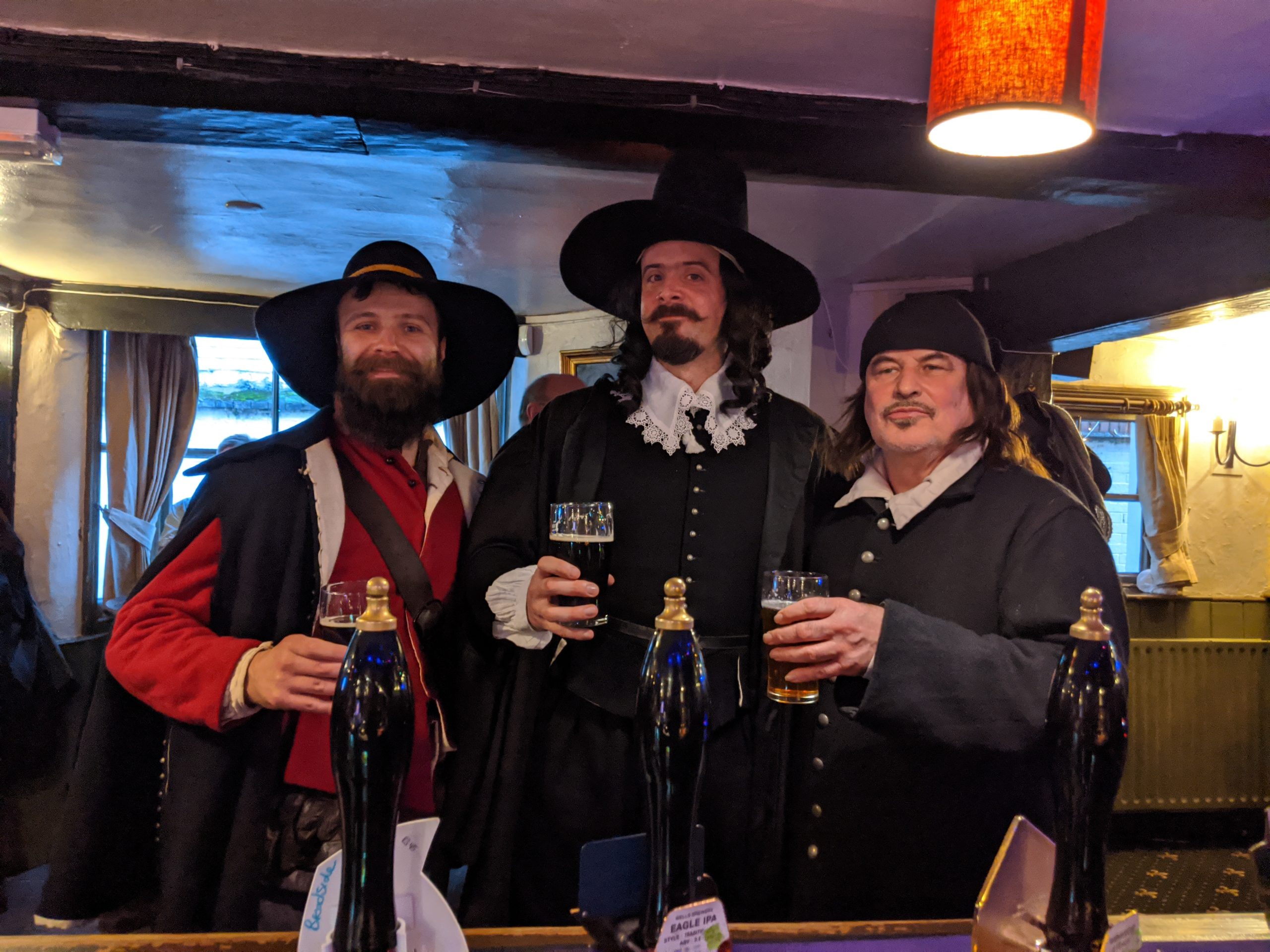
Turns out trying a king is thirsty work, so afterwards we retired to the pub to toast our success at four straight wins in court!
But this wasn’t all we did in Huntingdon. The next day was the official re-opening of the Cromwell Museum after a successful £160,000 refurbishment. The museum, housed in the old grammar school where Cromwell himself was educated as a child, is now better able to display its incredible collections, telling the story of Oliver Cromwell ‘warts and all’ whilst exploding common myths, through his words, personal effects and contemporary paintings. It also looks at the impact he has had in the last 350 years since on society, culture, government and democracy.
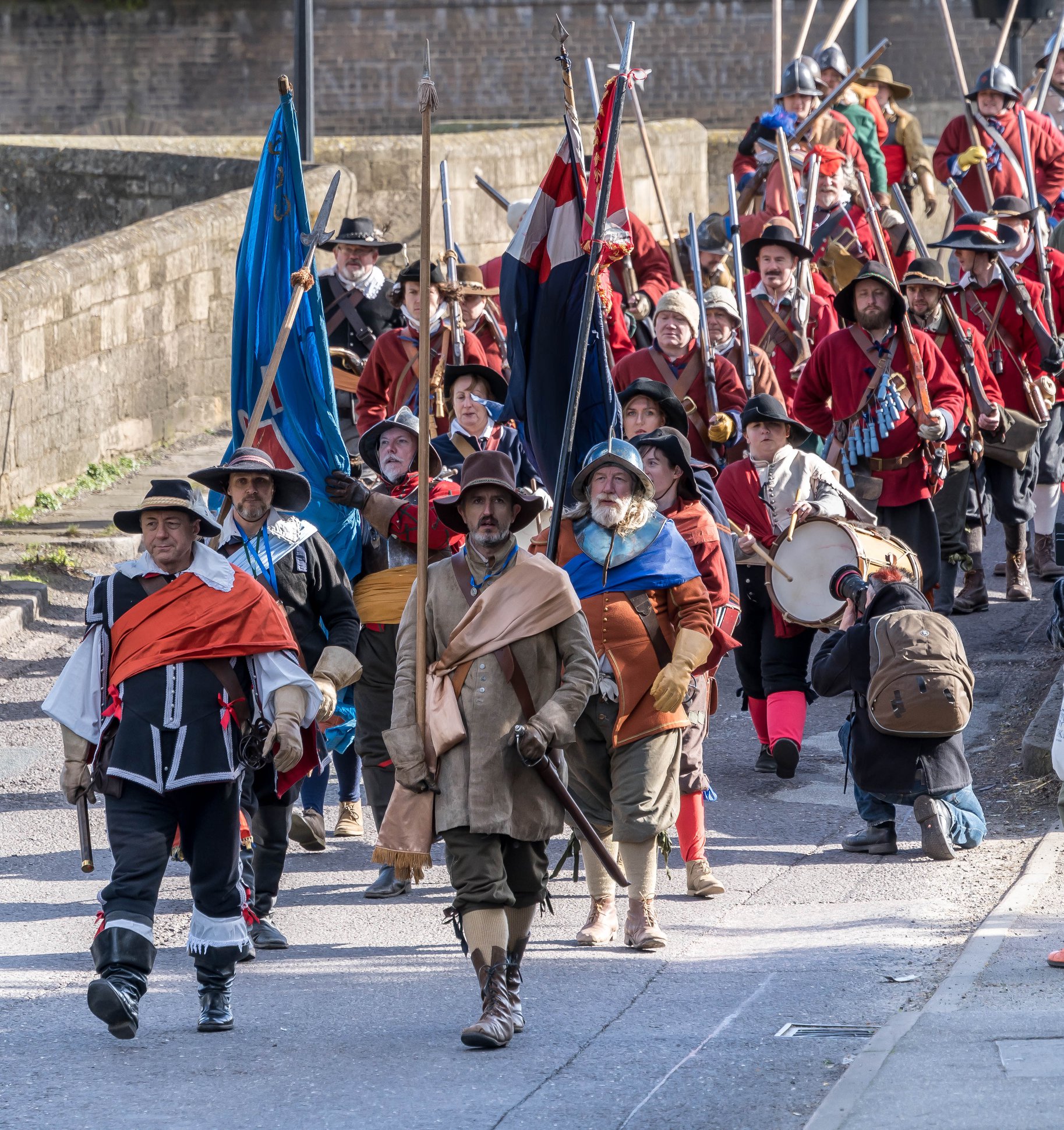
To mark the reopening, the Sealed Knot marched from nearby Godmanchester, along the route of the Great North Road that cuts straight through the heart of Huntingdon. Led by two cavalrymen from Sir William Waller’s Regiment of Horse, members of several regiments marched to the square in front of the town hall. There, after a drumhead service with sermon delivered by the regimental preacher of the Earl of Manchester’s Regiment of Foote, speeches were given by Chair of the Cromwell Museum Trust Camilla Nichol, Mayor of Huntingdon Cllr Steve McAdam, Vicar of Huntingdon Parish Church Rev. Jon Randall, and the Patron of the Cromwell Museum Trust and former MP for Huntingdon, the Rt. Hon Sir John Major.
The weather behaved itself for what was a wonderful afternoon attended by hundreds of local people, witnessing the re-opening of this internationally important museum. It was especially important that the Earl of Manchester’s Regiment attended in numbers, given the importance of the Earl in both the local area and the story of the rise of Cromwell.
Thanks again to all of the organisers for a really special weekend that we were honoured to be a part of.
Photos: Michael Molcher
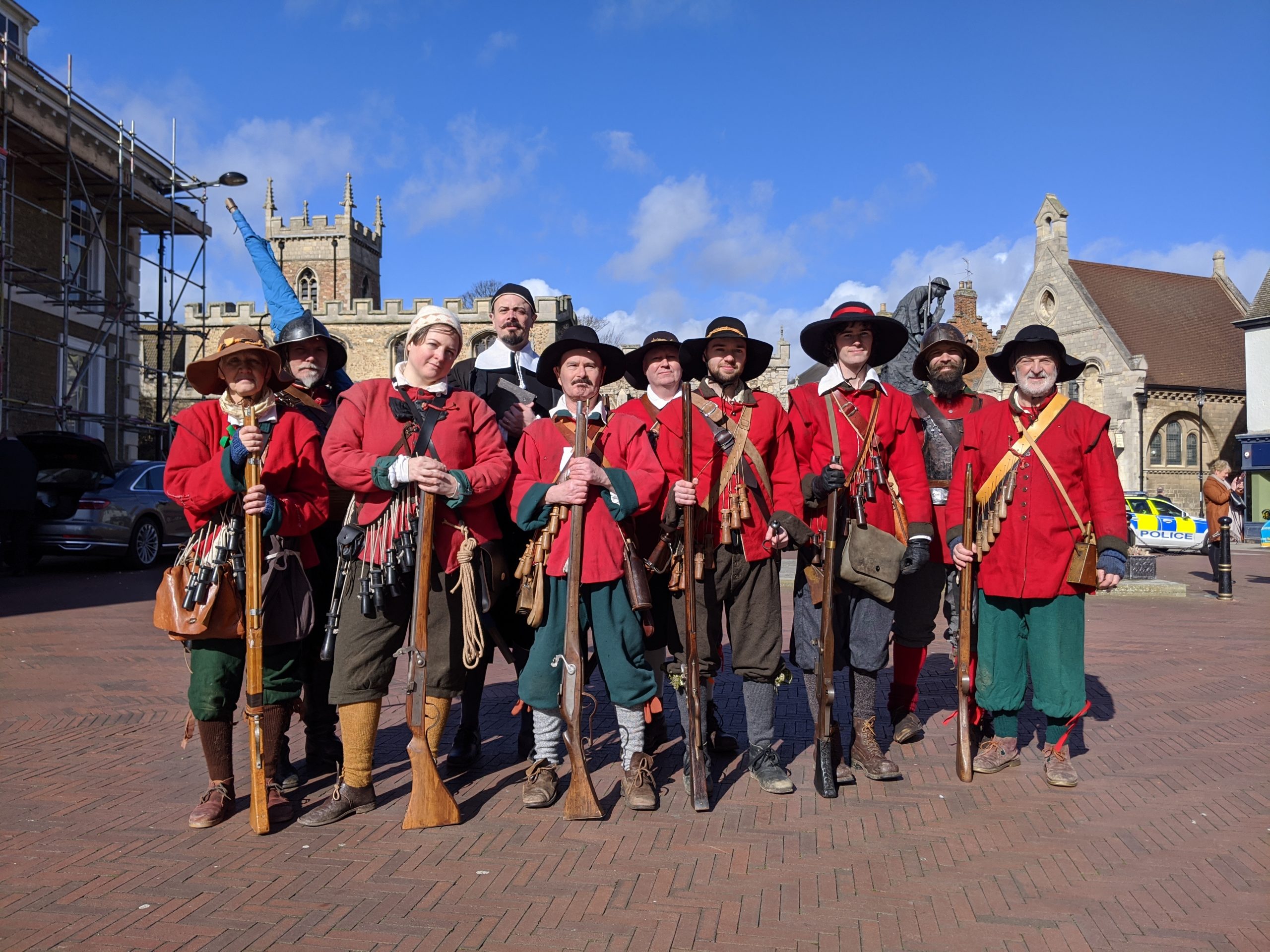
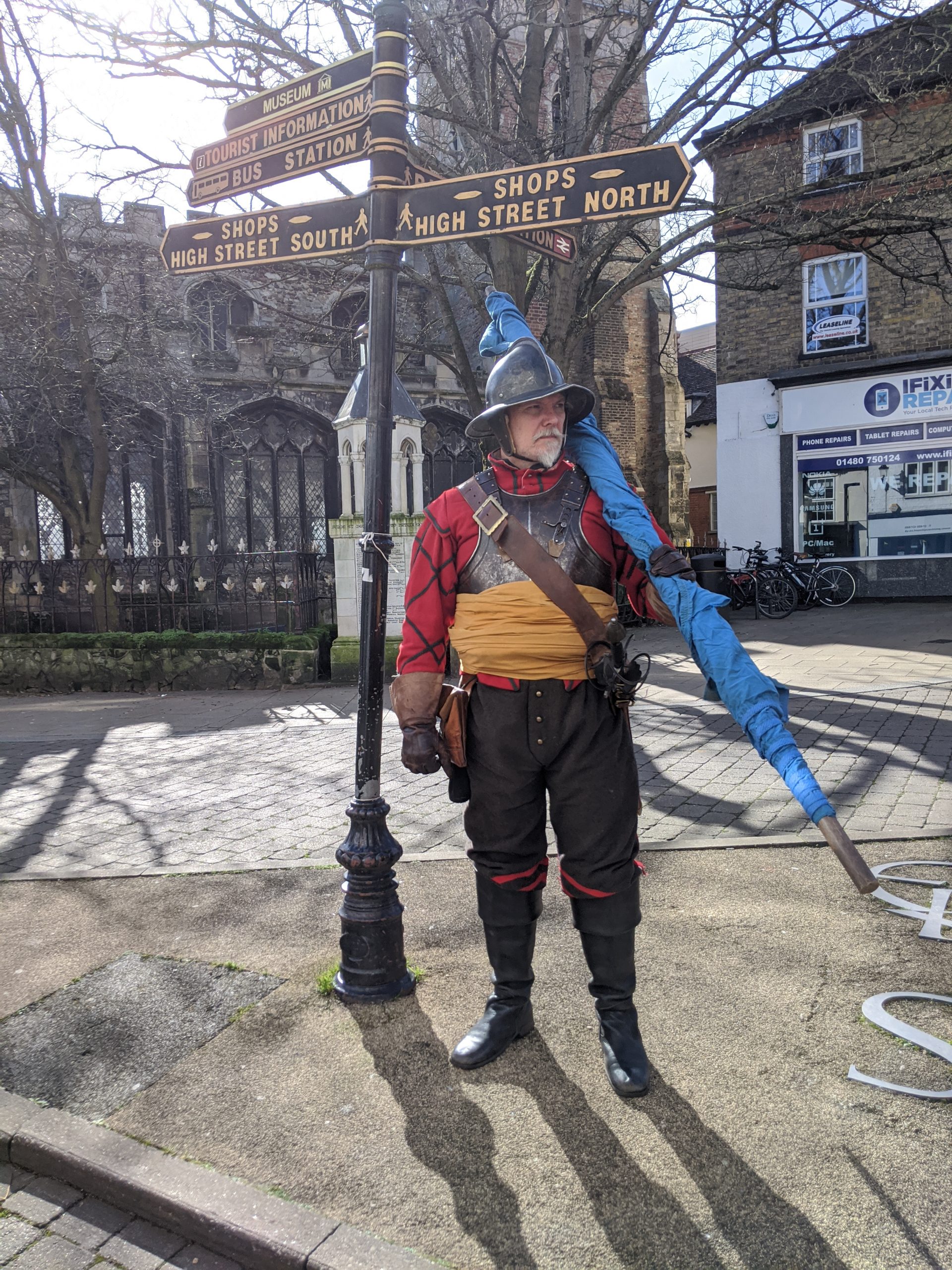
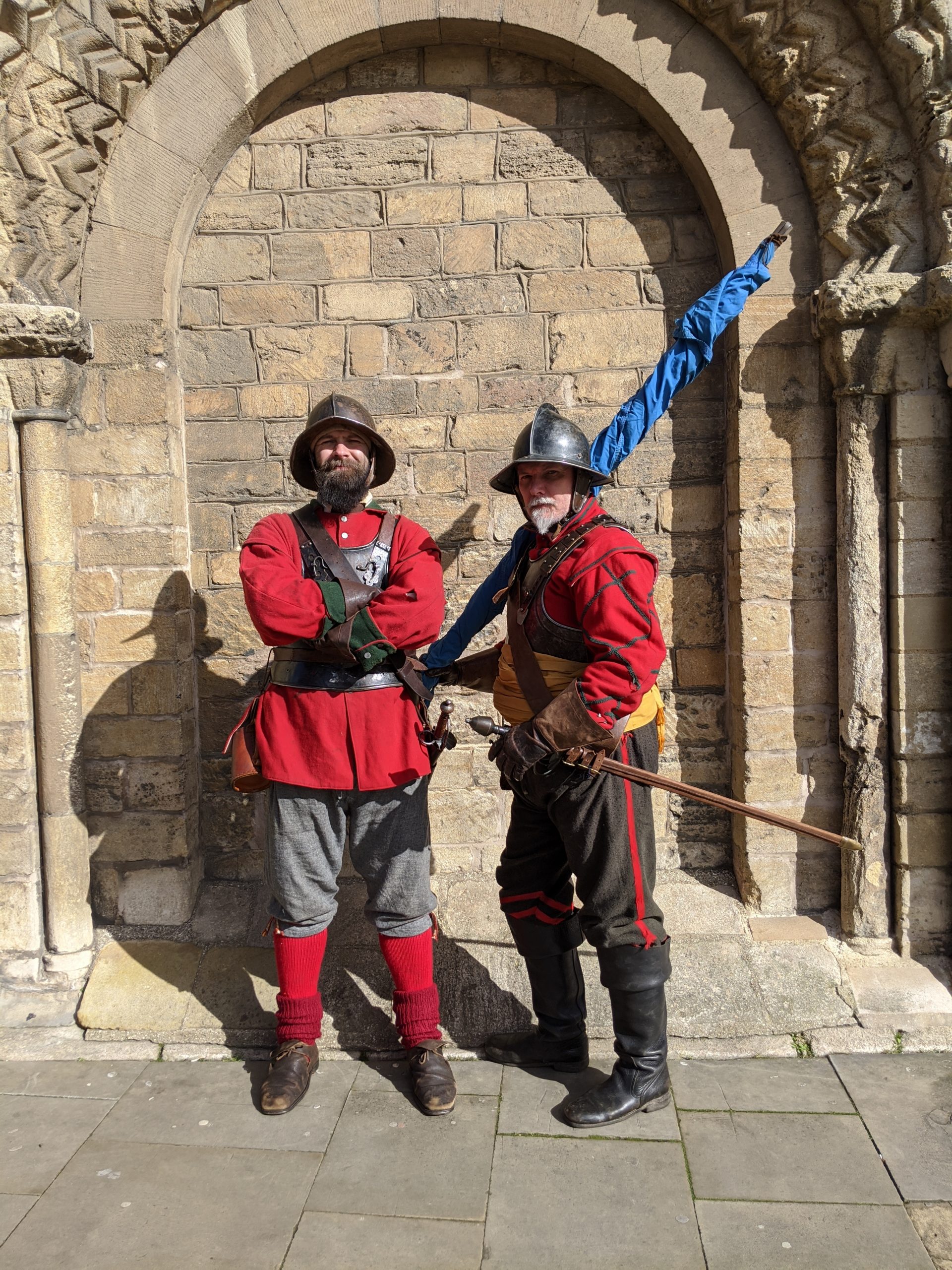
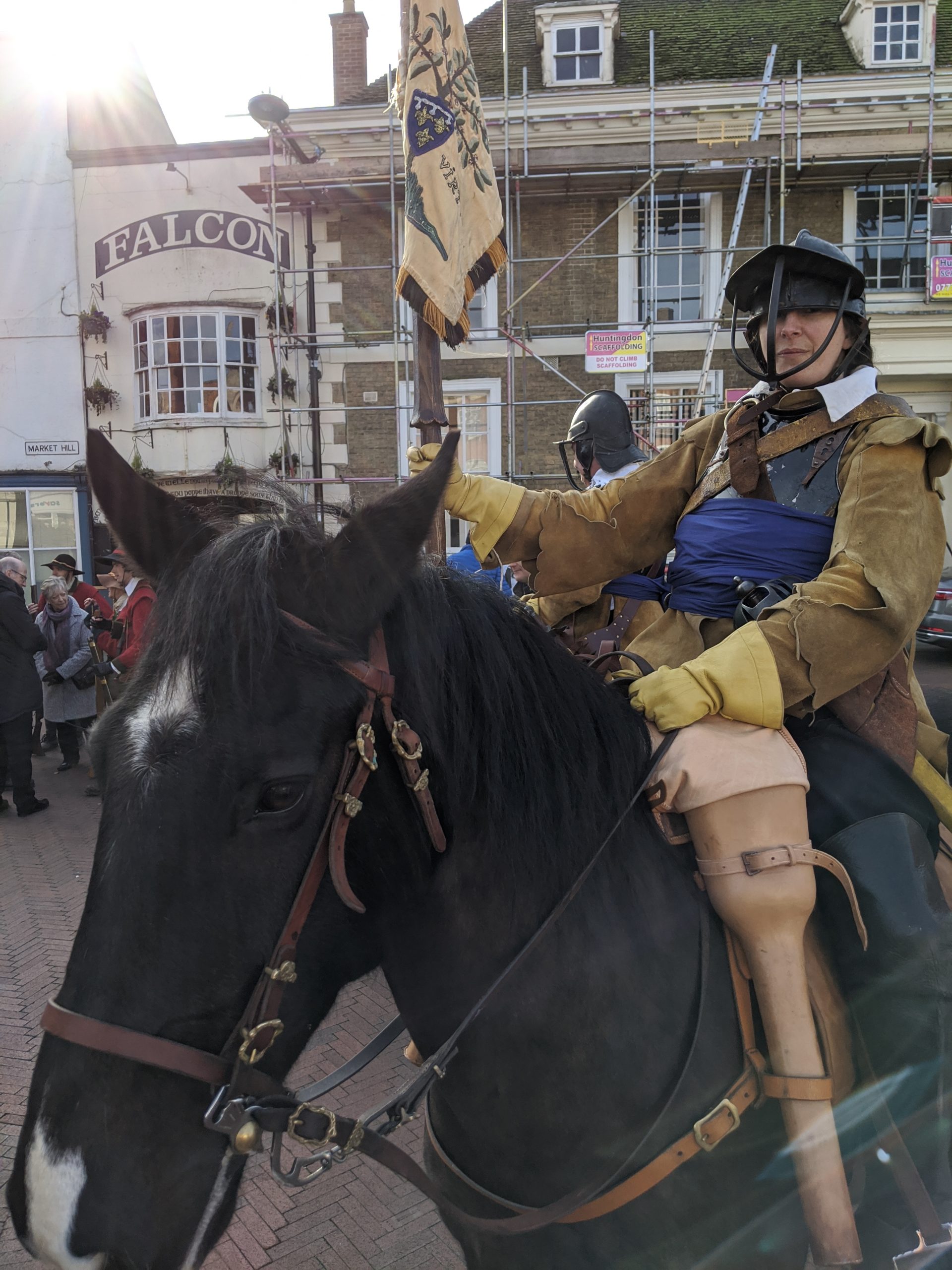
Photo: Stephen Laws