Marching to Marston Moor
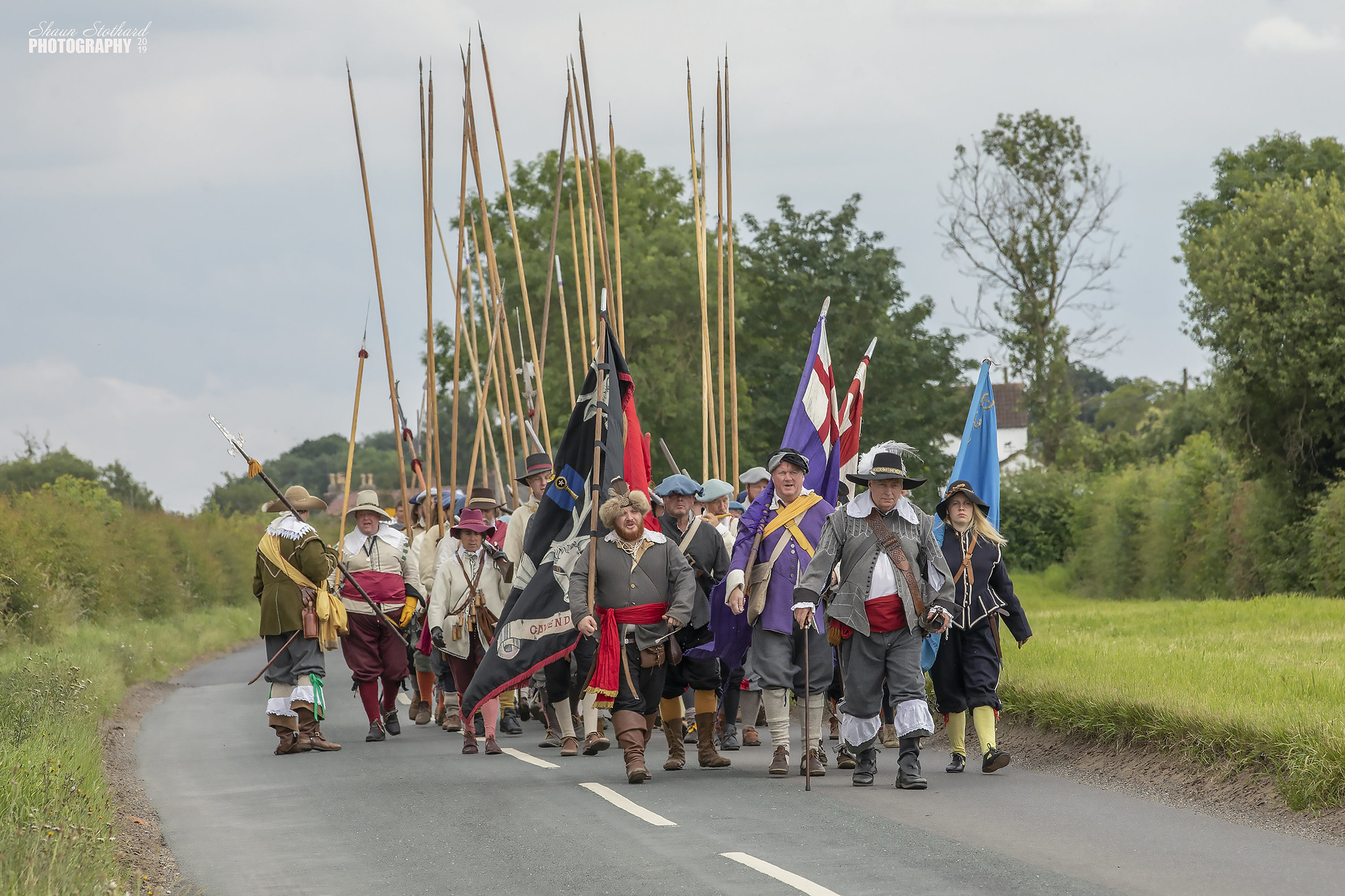
Yesterday we marched the two and a half miles from Long Marston to Tockwith, a route that runs from one side of the battlefield of Marston Moor to the other.
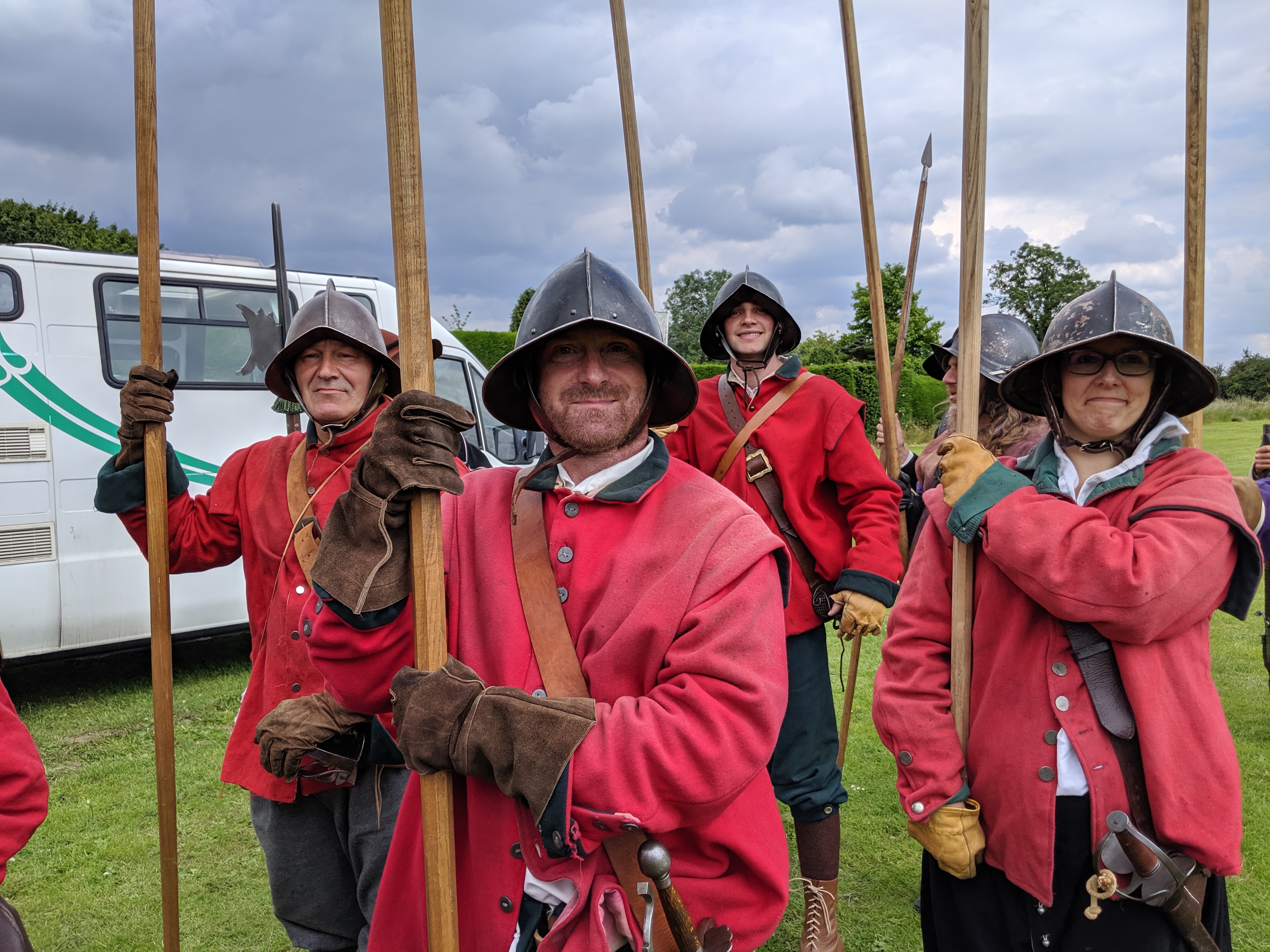
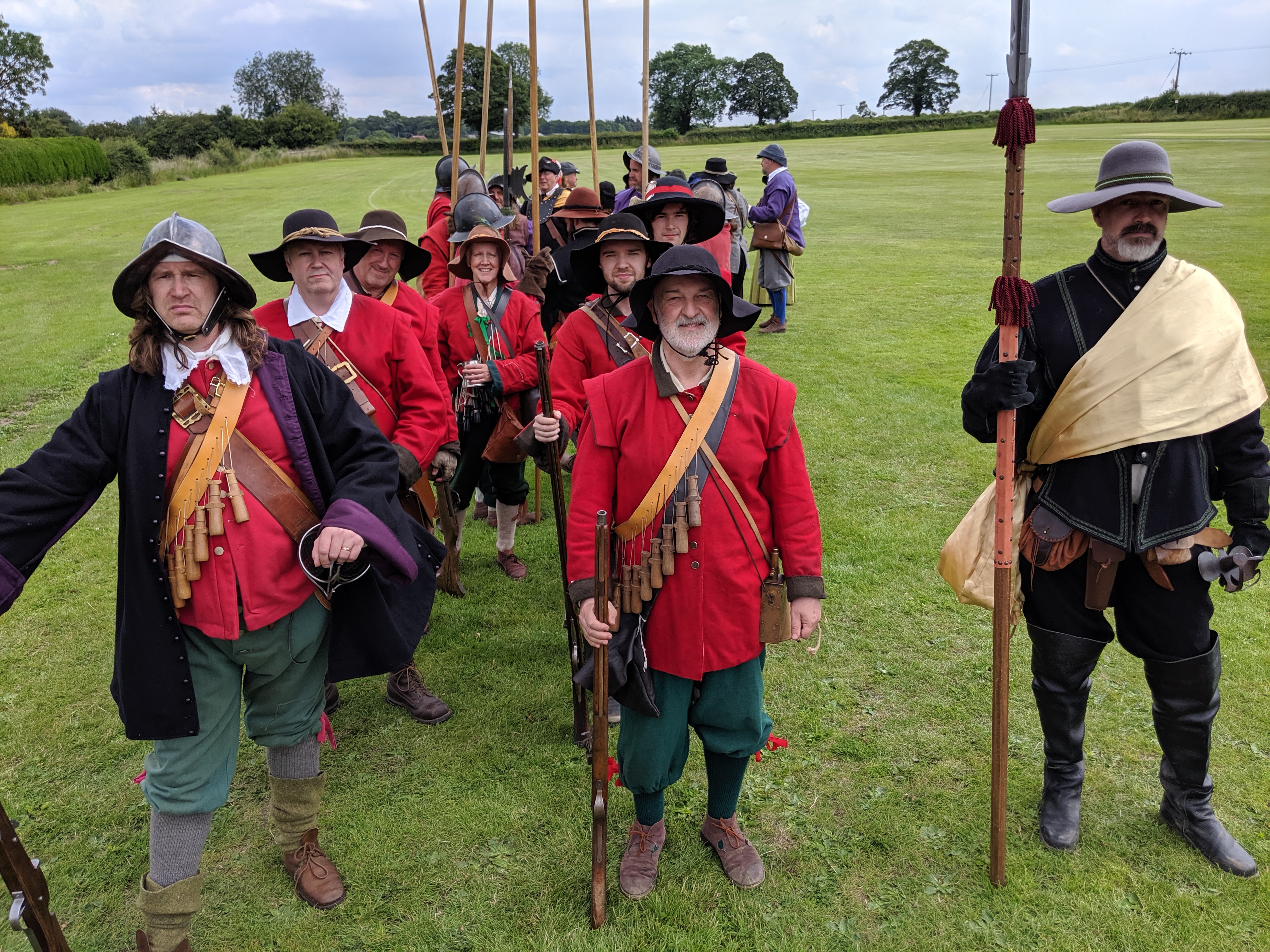
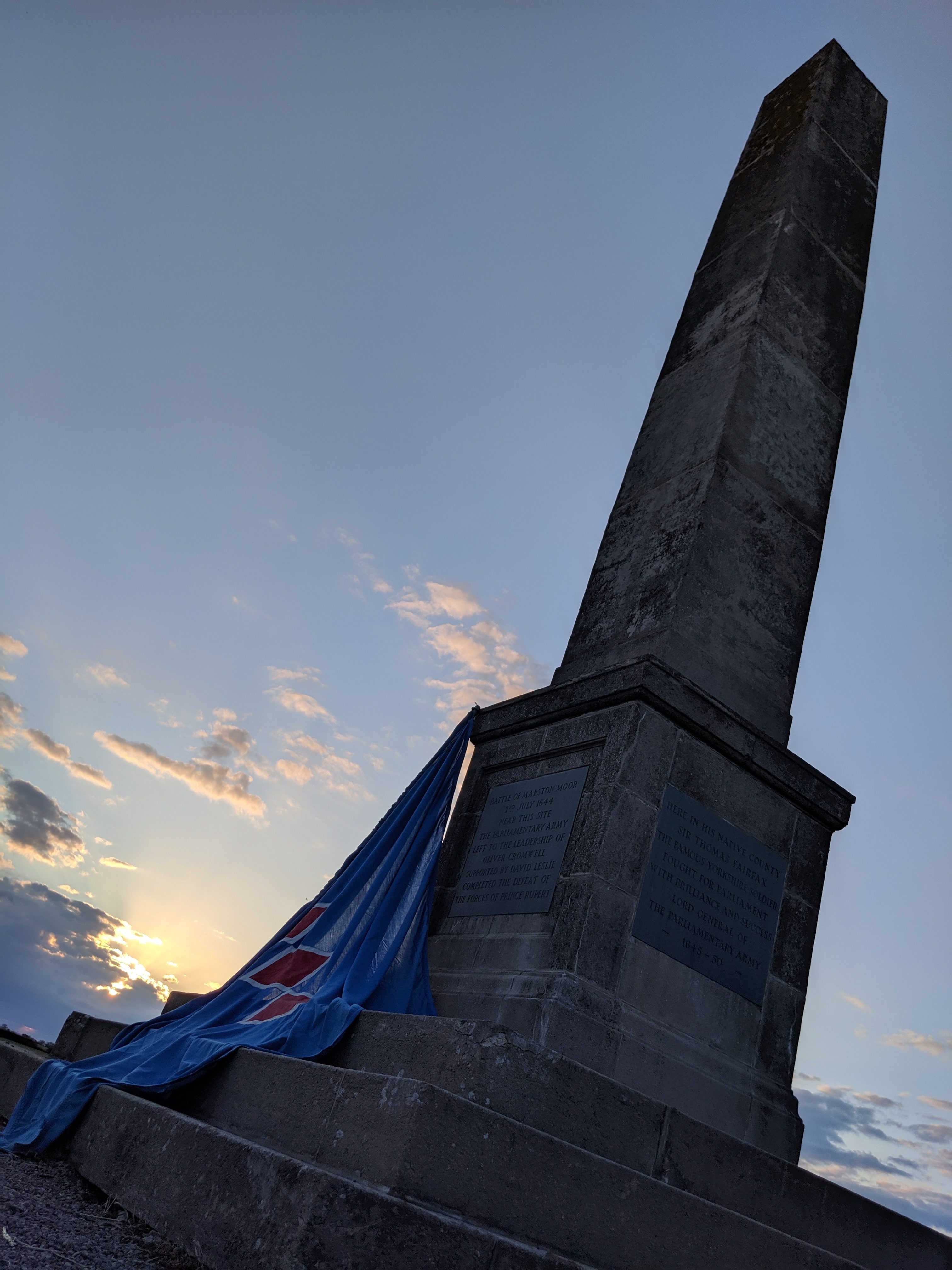
Half way we stopped at the battle memorial obelisk for a short service to commemorate the dead of this pivotal moment in the English Civil Wars, when 24,000 soldiers met on the gently sloping moor near York. There was a great turnout from our awesome members, there to represent the real Earl of Manchester’s regiment who fought on that day in 1644.

Photo by Shaun Stothard
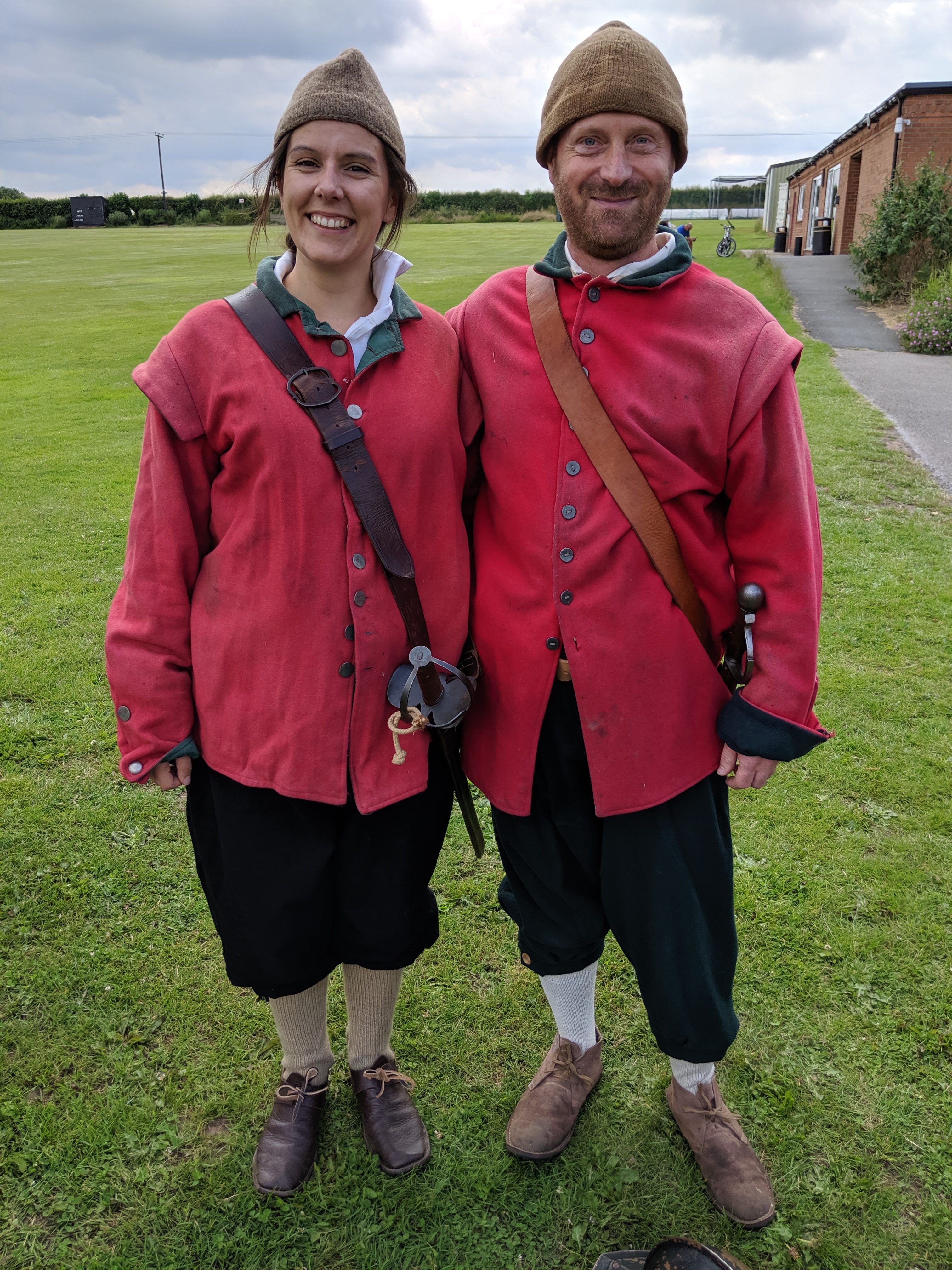 And congratulations to Emma and Stuart, our two newest members, on completing their first event with us – they’re back for more at our event in Shropshire in September!
Once we completed the march, there was time for a well-earned pint at the pub in Tockwith, which sat on the left flank of the Parliamentarian forces and which Oliver Cromwell himself declared “”If heaven should be half as blessed as the fields of Tockwith, all those who should pass St. Peter’s Gate shall be met with joys unequalled”.
Marston Moor is one of those battles that is often mentioned in histories of the English Civil War, but little appreciated. Standing on the ridge where the allied armies of the Scottish Covenanters, the Northern Army of Lord Fairfax, and the Earl of Manchester’s Eastern Association stood gives you a real appreciation of the scale of the battlefield. This was the largest battle of the English Civil Wars and when the armies drew up, most of Manchester’s infantry under Sergeant Major General Lawrence Crawford were on the left flank of the front line, alongside Oliver Cromwell’s wing of cavalry.
Crawford’s infantry outflanked and drove back the Royalist regiment of Lord Byron, forcing Prince Rupert to prematurely deploy his reserve, but a charge of 600 “Northern Horse” under Sir William Blakiston broke up the allied armies’ centre and six of the Covenanter infantry regiments and all of Lord Fairfax’s infantry fled the field. It was Scottish regiments under the Earl of Cassilis, William Douglas of Kilhead, Lord Coupar and the Earl of Dunfermline, and part of the Clydesdale Regiment, who plugged the breach as the Earl of Manchester’s regiment repulsed and scattered Blakiston’s forces. To give you an idea of how desperate the situation had become, at one point the Earl of Manchester was the only one of the allied commanders still on the field but he commanded only his own regiment of infantry. However, the discipline of Scottish regiment and the cavalry of Manchester’s Eastern Association under Cromwell carried the day for Parliament and inflicted a devastating blow on the Royalist cause.
There’s no rest for the wicked – our next event is a battle this coming weekend at Ledbury in Herefordshire! Check out our website for more details and if your appetite has been whetted, drop us a line at earlofmanchesterspr@gmail.com and try this amazing hobby for just £10!
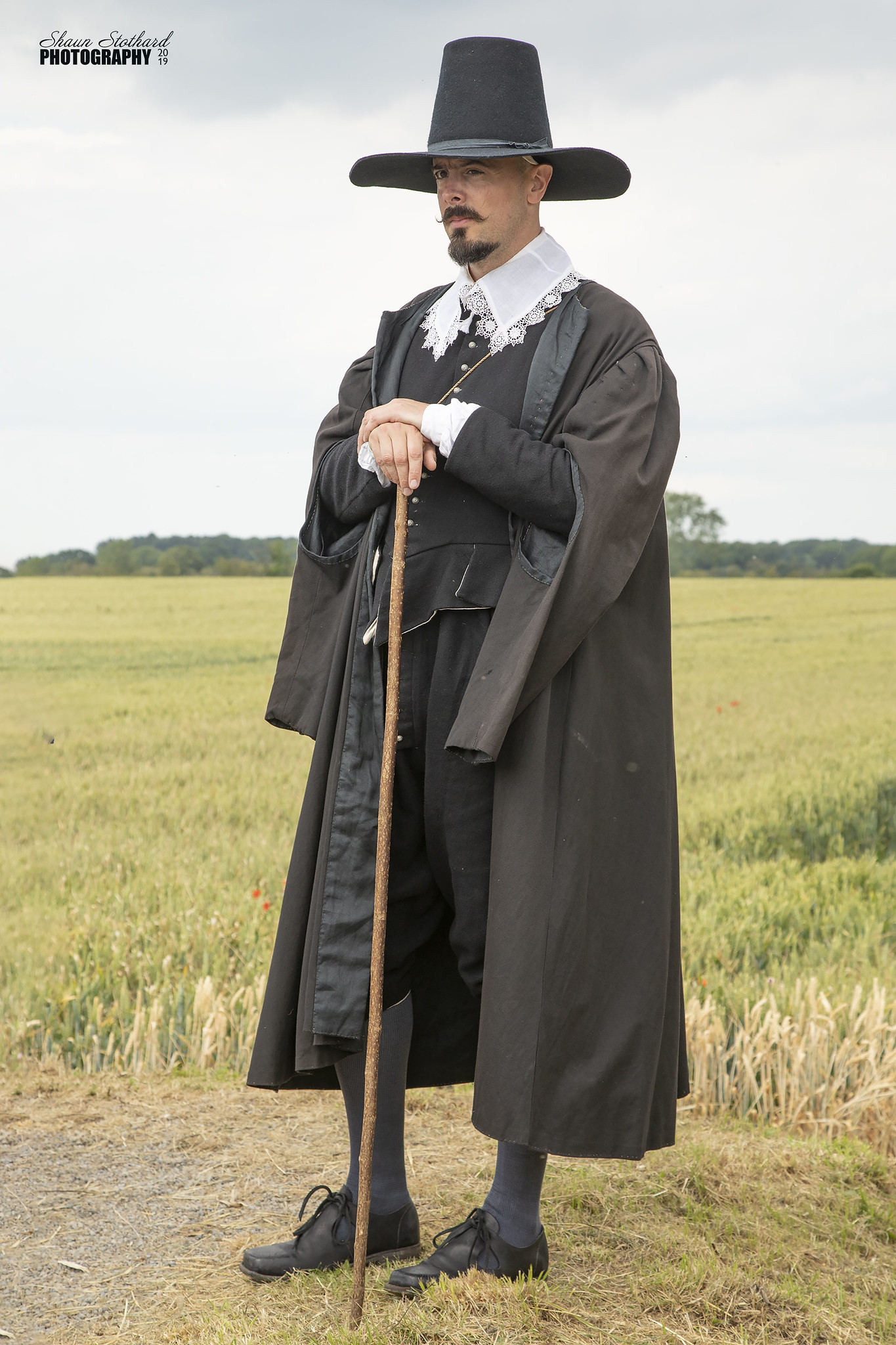
Photos below by Shaun Stothard and Michael Molcher