
While we reenact a regiment from the English Civil Wars, the modern incarnation of The Earl of Manchester’s Regiment of Foote has its own history and identity.
Manchester’s is a Parliamentarian regiment within The Sealed Knot reenactment society, representing the personal regiment of the second Earl of Manchester, Edward Montagu, who was one of the leading opponents of King Charles in the lead-up to the war. During the first English Civil War from 1643 to 1645 he was in command of Parliament’s Eastern Association army.
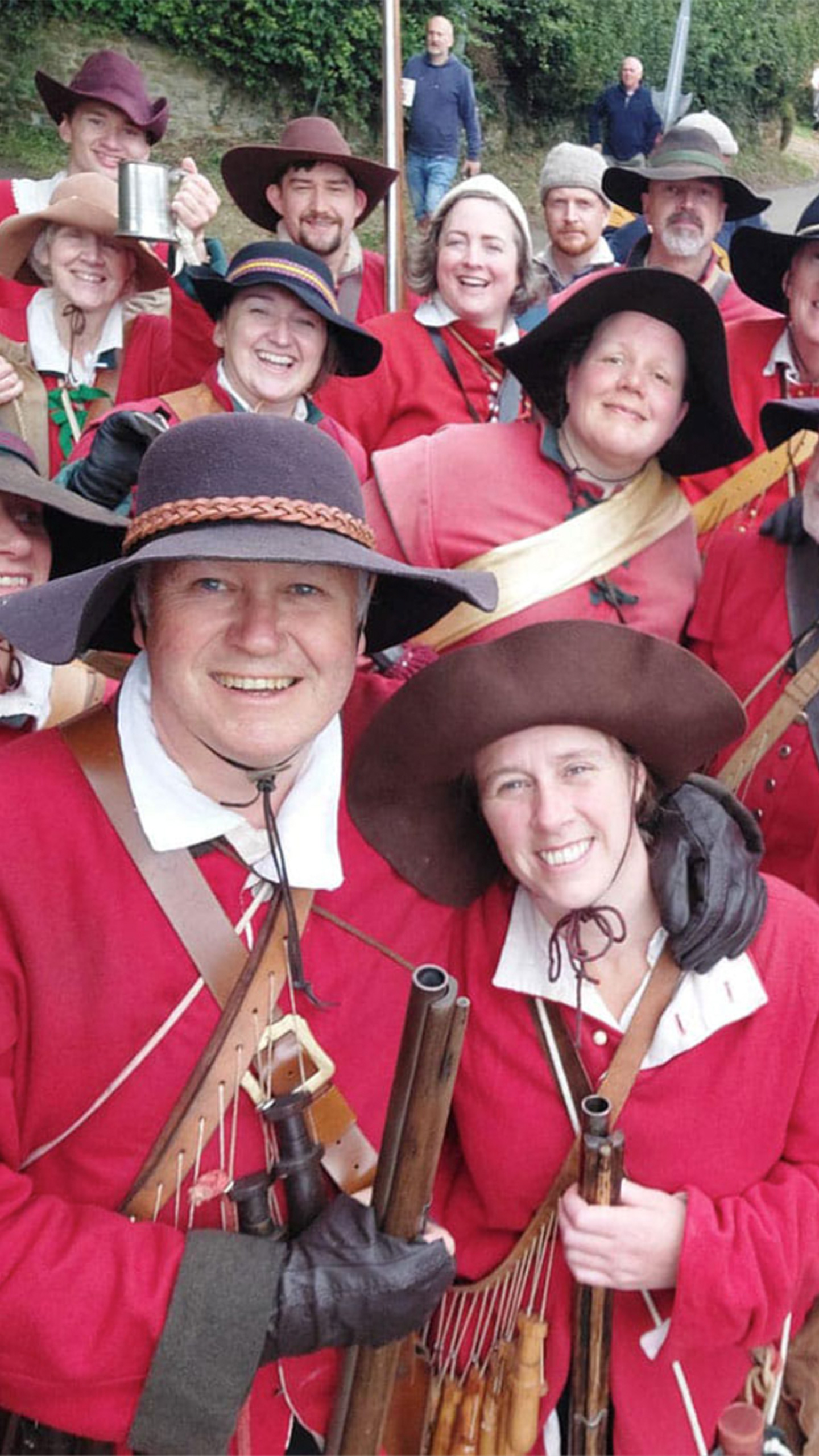
You can spot us on the battlefield in our red and green jackets, following our sky-blue flag with its three red diamond-shaped lozenges. Like a 17th Century regiment, Manchester’s is made up of pikemen, musketeers, drummers, a baggage train, and a gun crew. We have an excellent reputation in the Sealed Knot for fighting hard, playing fair, and putting on a good show. Off the field, we love having fun – whether that’s socialising together, sharing a drink or two, having a meal, or enjoying one of our fantastic parties.
The regiment was formed in the late 1970s by Steve Newby, who was originally a member of the Royalist regiment Sir George Lisle’s Regiment of Foote in the Sealed Knot. Manchester’s took to the field for the first time at an event in the Yorkshire town of Wetherby for a May Bank Holiday muster with twelve pikemen, one musketeer, a drummer, and colour bearer. These numbers remained constant over the first few years, but over the following years the regiment diminished in numbers and the difficult decision was made to revert to a musket-only unit. Through the hard work and determination of the officers and members, the regiment turned a corner in the early 1990s and was able to revert back to having both pike and musket, as well as fielding two colours and its own artillery piece.
The regiment now numbers more than 100 members from across the UK, including West Yorkshire, North Yorkshire, Lancashire, Greater Manchester, Cheshire, Herefordshire, Worcestershire, Nottinghamshire, West Midlands, Bristol, Oxfordshire, Cambridgeshire, and Hertfordshire.
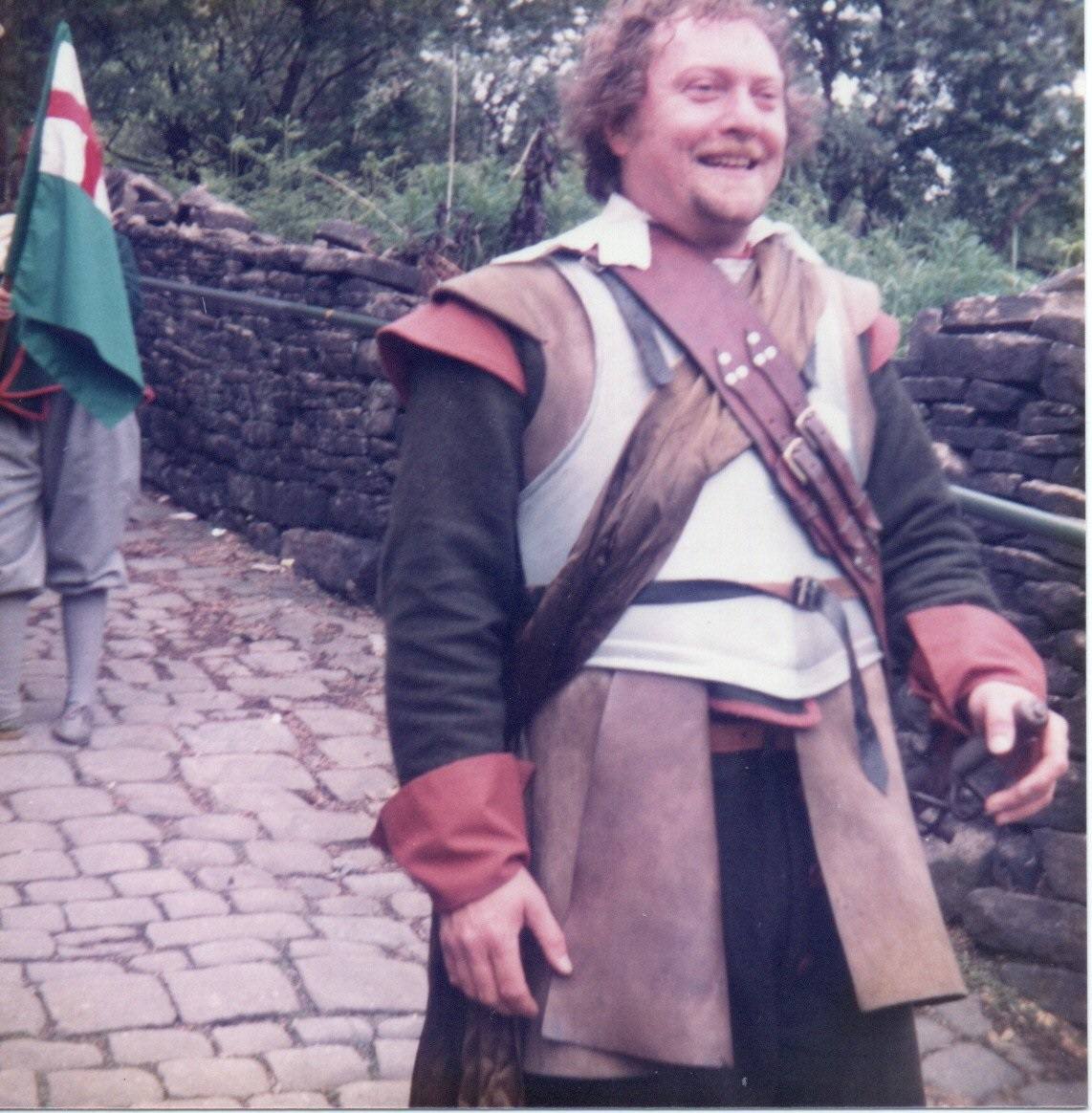
The regiment originally wore green soldier’s coats with russet red turnback cuffs, however in 1995 Manchester’s switched to wearing red coats with green cuffs. The regiment’s flag – called a ‘colour’ – also changed from green with a St George’s Flag in the top corner and gold flash, to its current blue silk with three red diamond-shaped lozenges. We also have a second colour, with a St George’s flag and long gold flash beneath the three lozenges, which accompanies our musket division.
The commanding officers that followed Steve Newby were:
- Paul Bates
- Phil Weavill
- Shaun Fairley
- Barry Phillips
- David Tomlinson
- Vaughan Price
- Julian France
The present commanding officer, serving since 2015, is David Frederick.
Over the years, Manchester’s has been awarded commendations at events at Burnley, Bolton, Ripley Castle, and Fyvie Castle for its conduct and fighting spirit on the battlefield. The regiment has won the Sealed Knot’s Rosebowl competition for ‘best regiment’ at the annual event in Nantwich, Cheshire, multiple times – most recently four years in a row in 2023, 2024, 2025 and 2026 – and has participated in, and won, the Army of Parliament’s musket and ‘King of the Hill’ pike competitions.


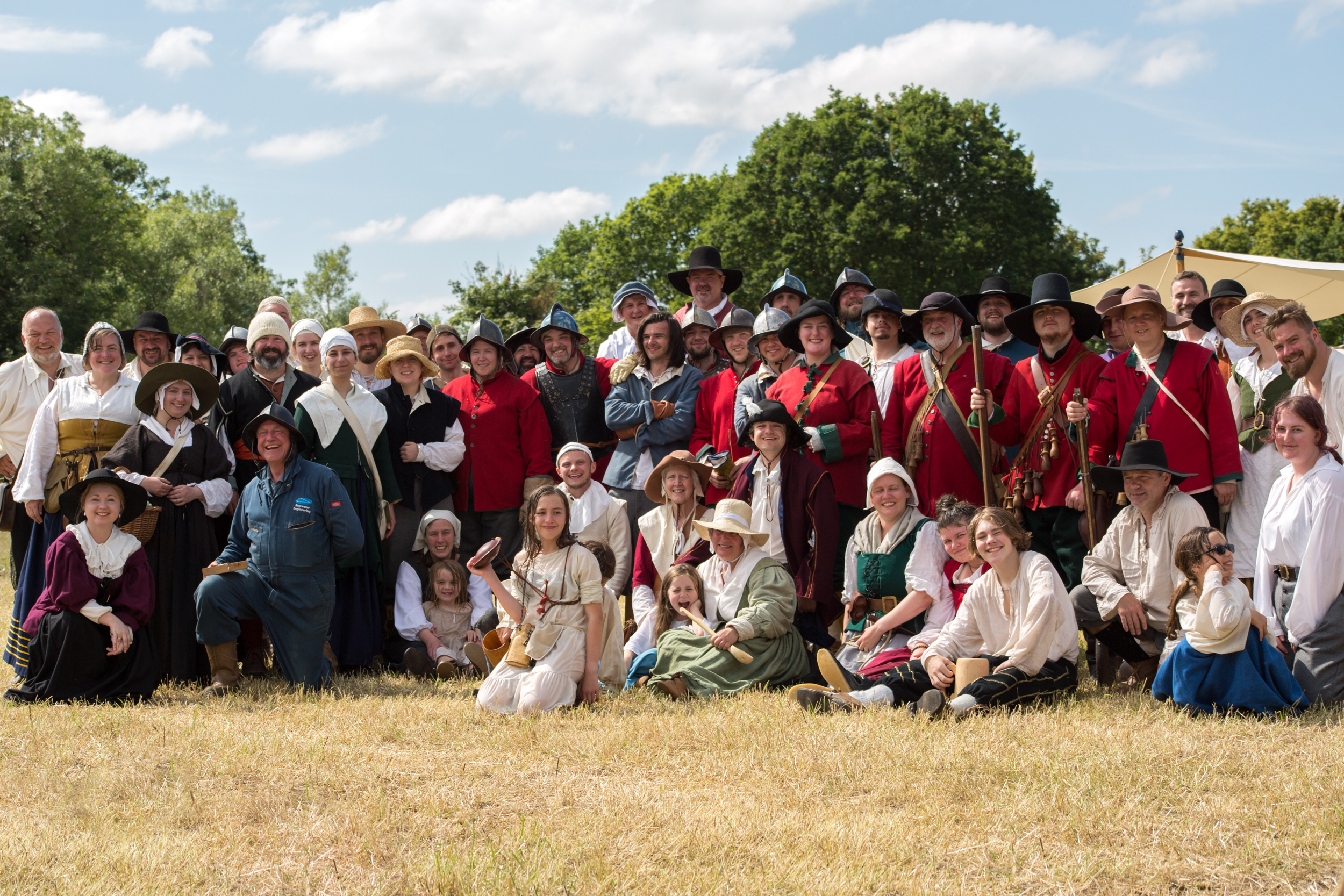

Images of the regiment now…


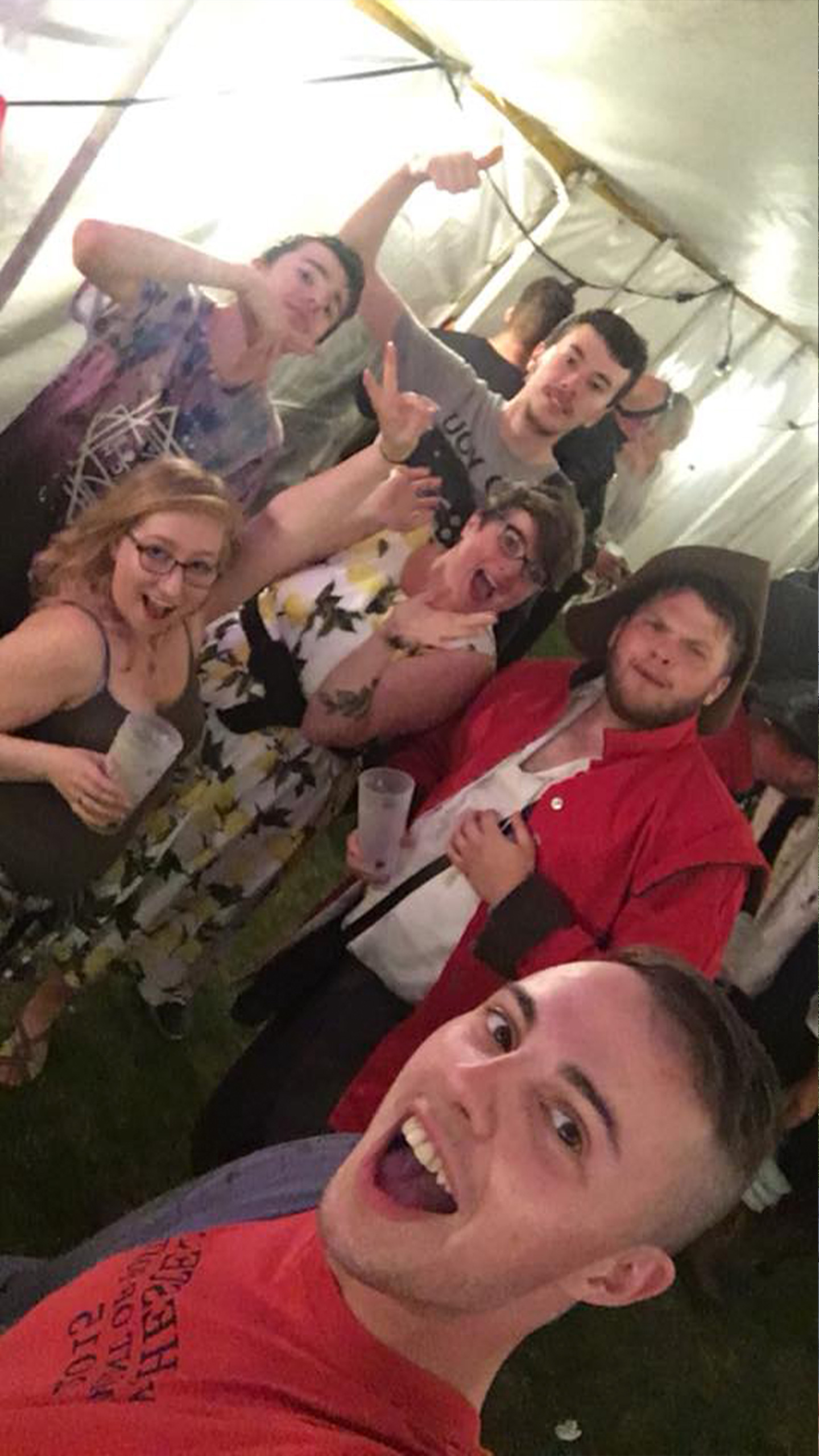
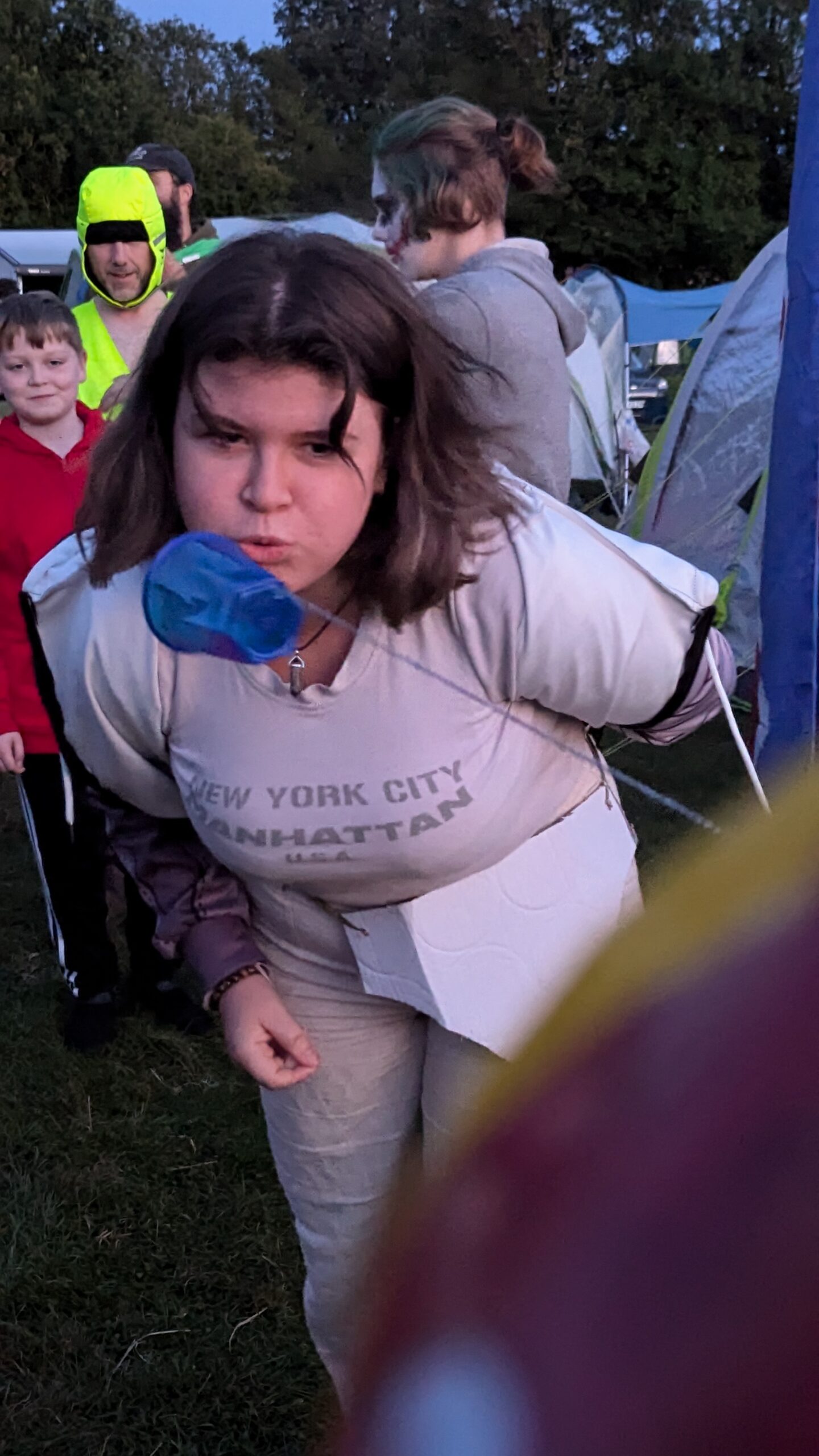





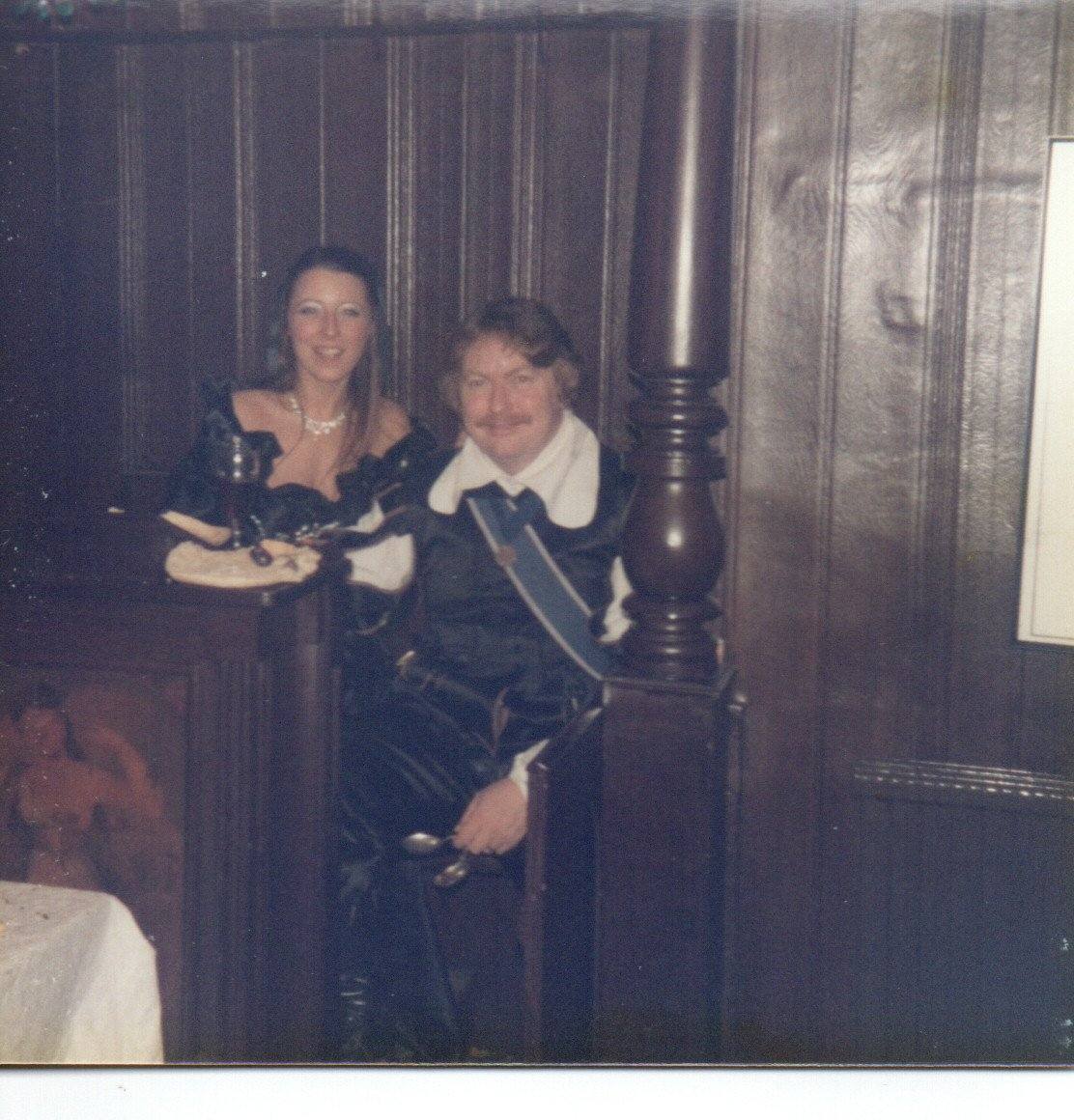
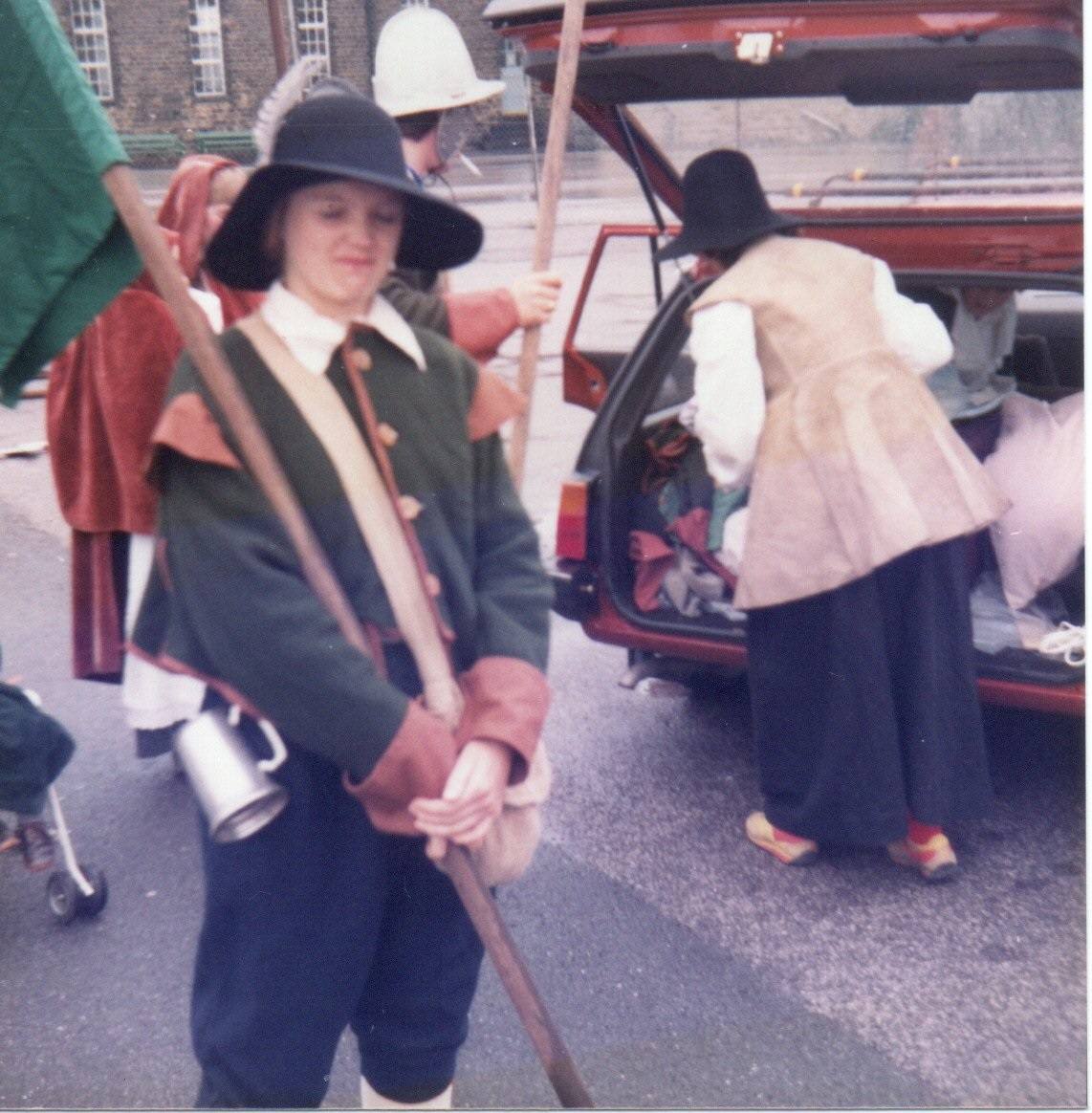
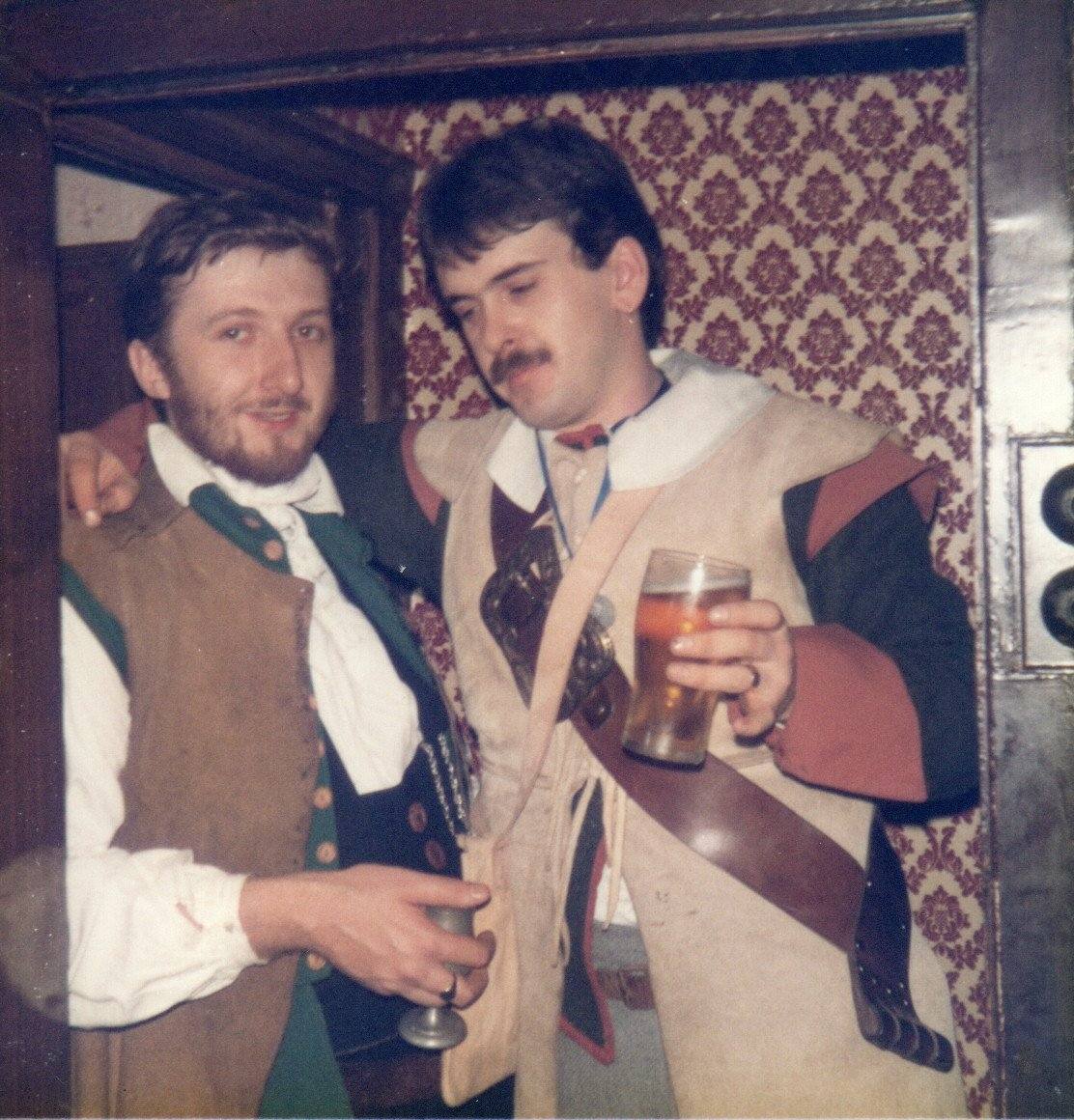
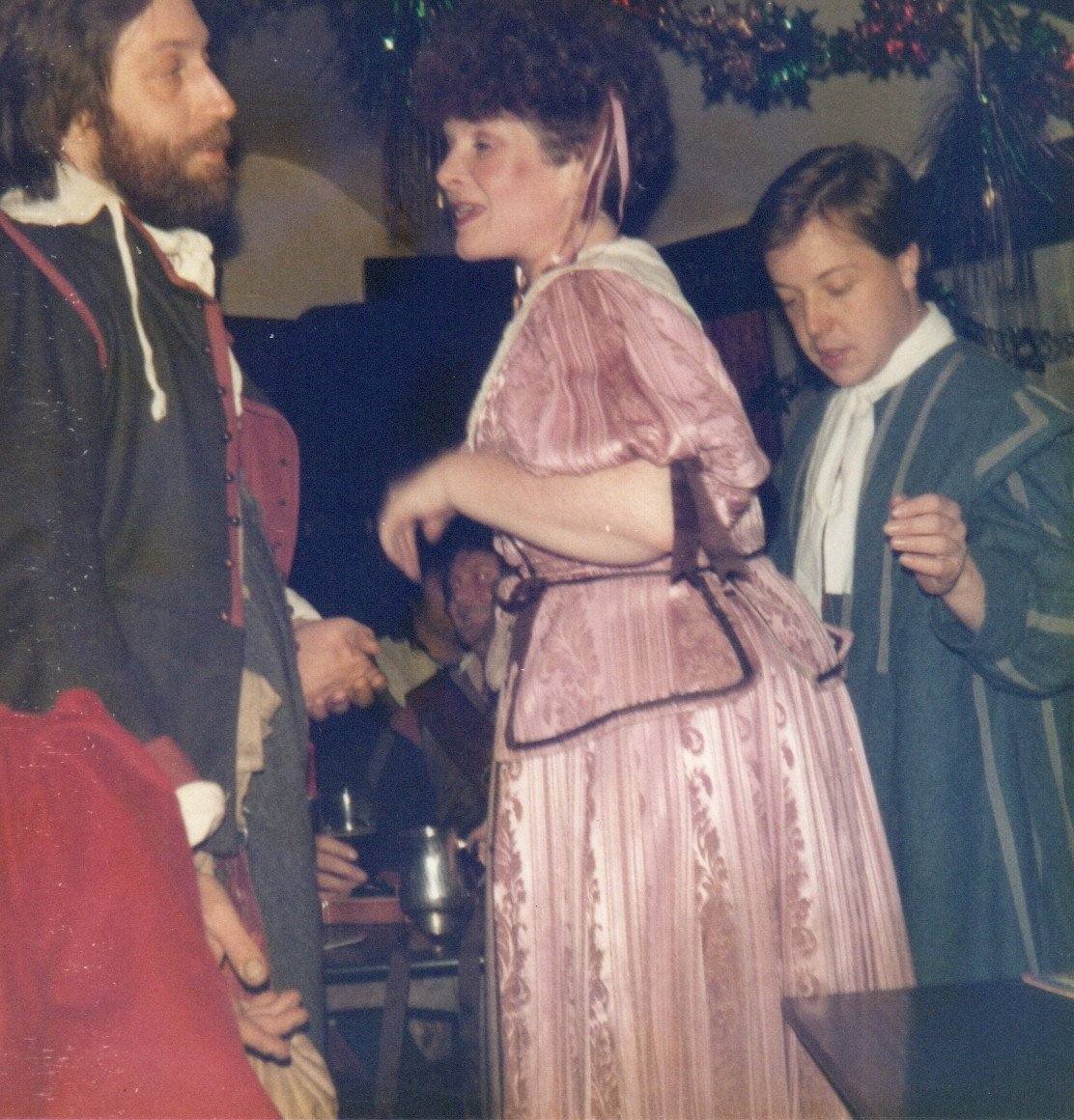
Images of the regiment from the 1980s

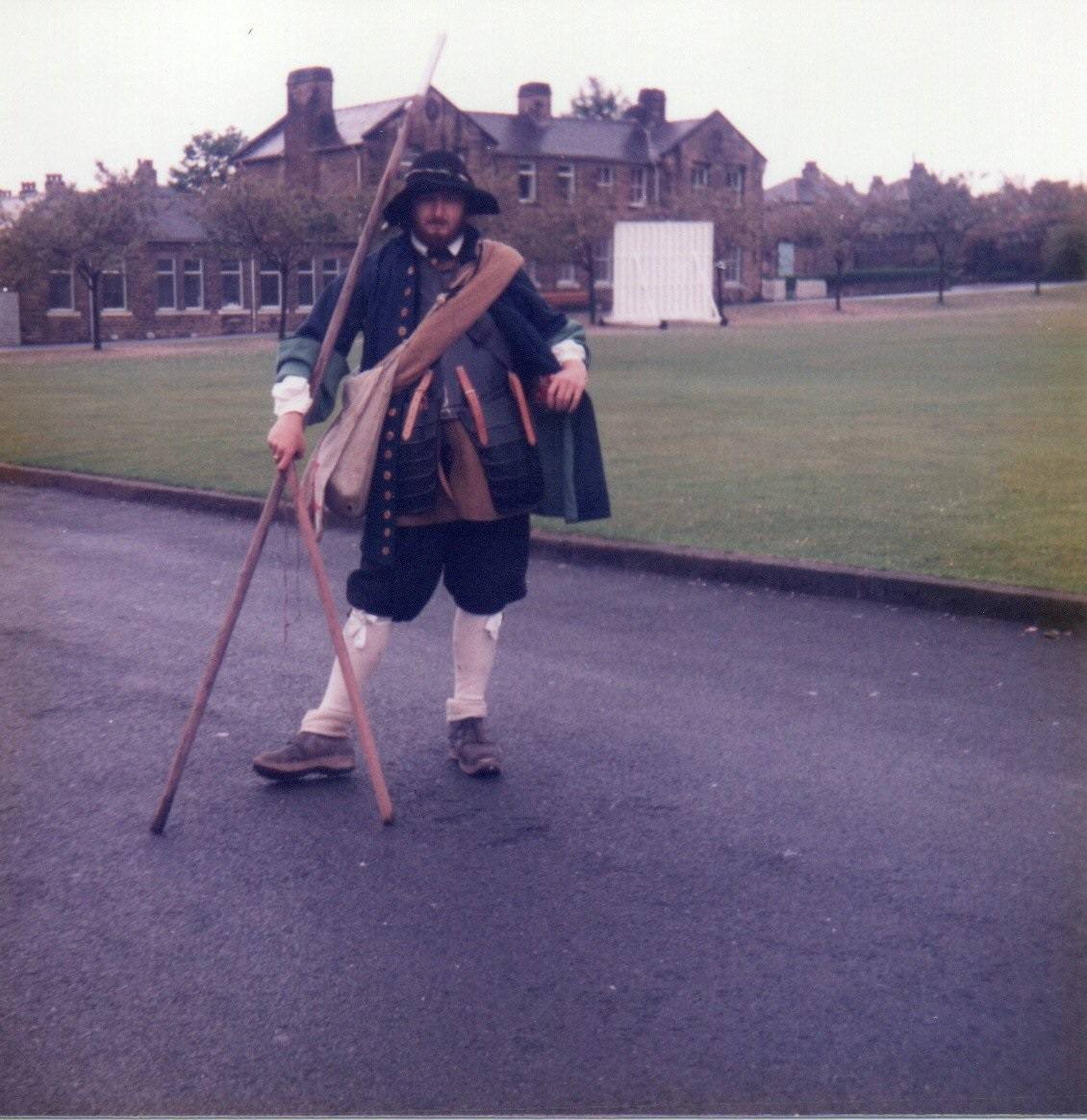


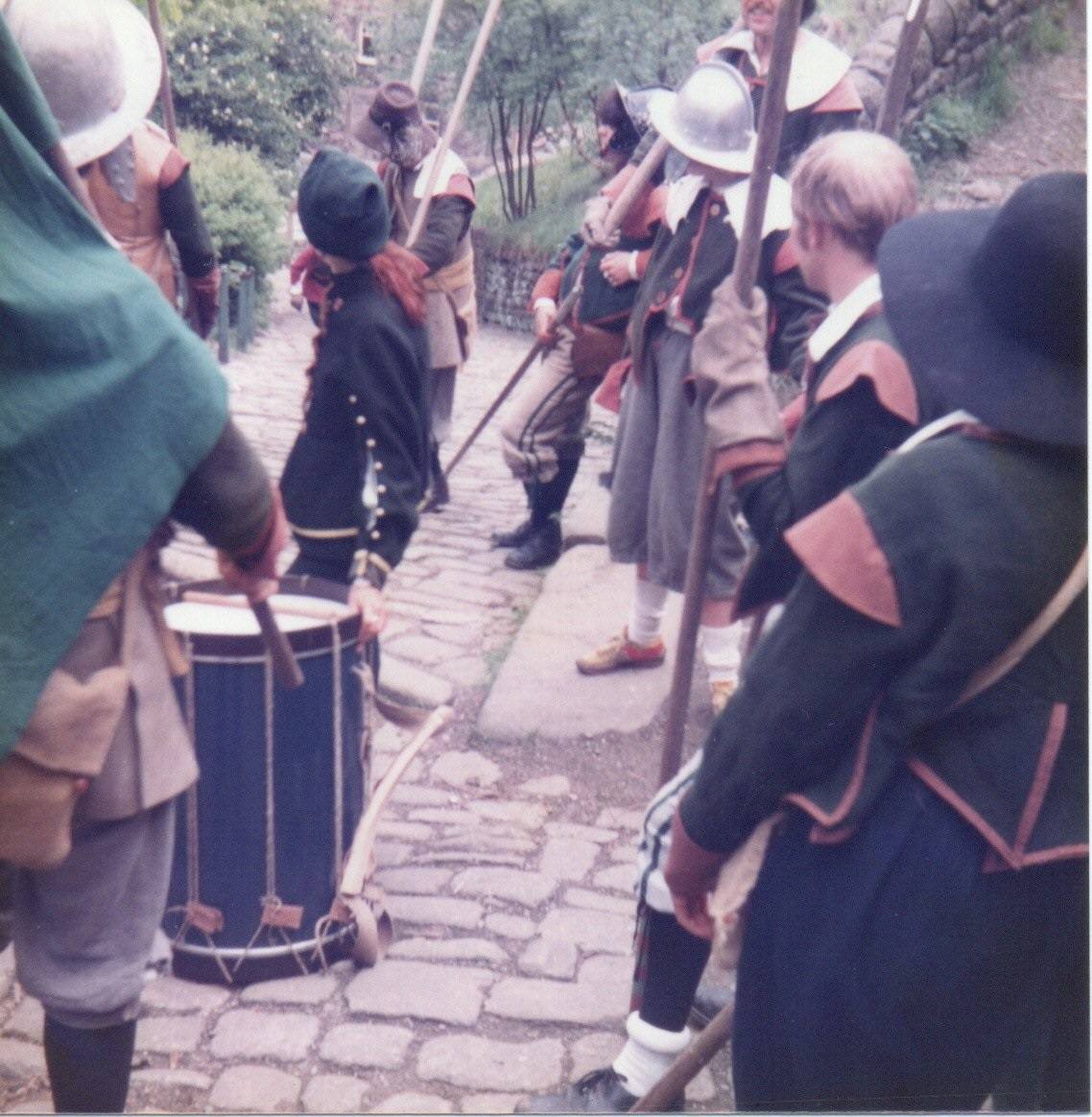

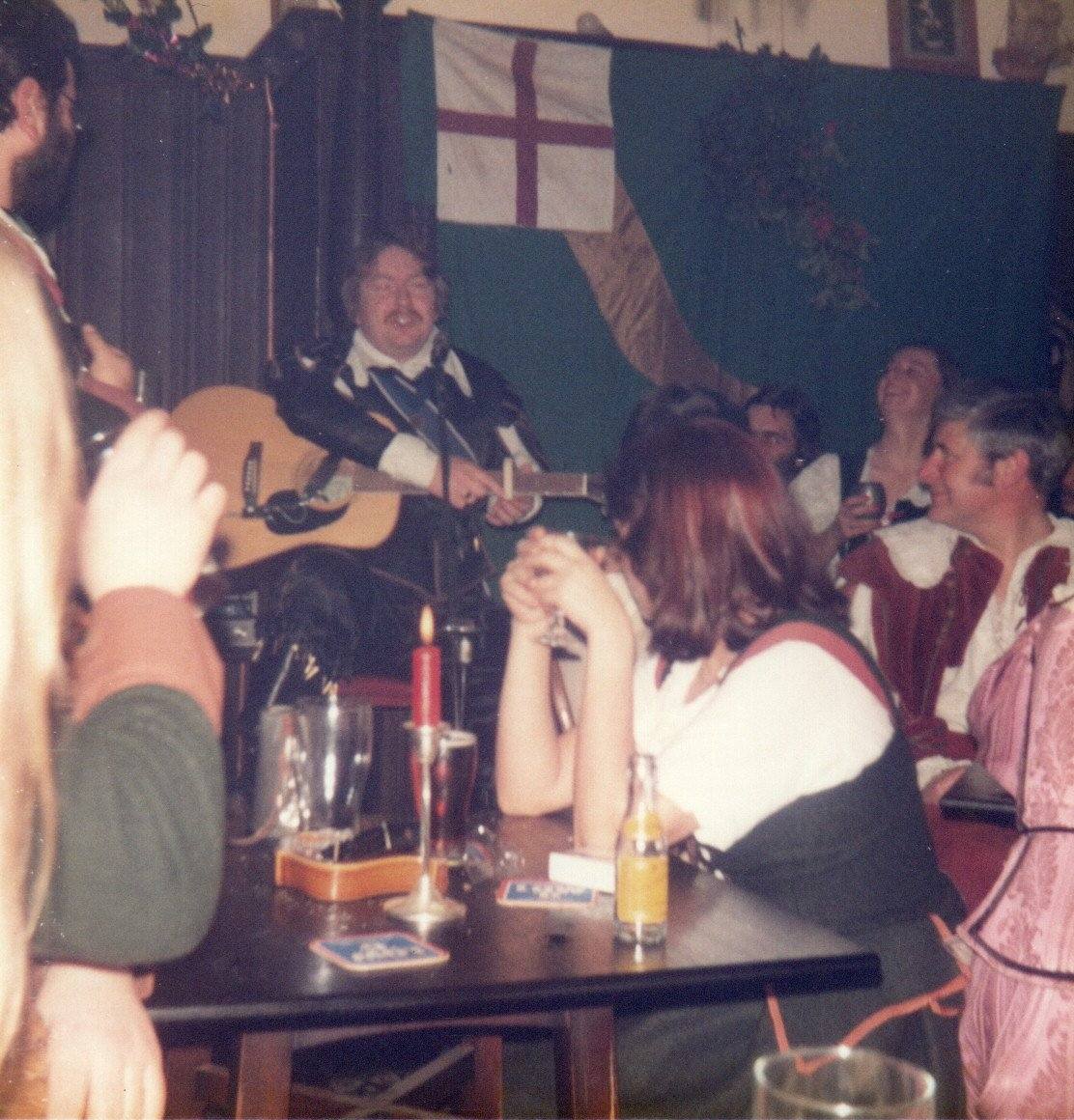

We are part of The Sealed Knot –
Britain’s oldest reenactment society
We are a part of the Army of Parliament, one of the three armies that make up The Sealed Knot. ‘The Knot’ exists for one reason – to educate the public about the tumultuous period of our history known as The English Civil Wars, which lasted from 1642 until 1651, as well as the causes behind them, the effect they had on British history, and the people who lived through them.
Founded in 1968 by distinguished soldier and Civil War military historian, Brigadier Peter Young, ‘The Knot’ is best known for the battles its members recreate while dressed in period clothing. The society is made up of regiments organised into three armies – The Royalist Army, The Armie of Parliament, and The Army of Ireland and Scotland. All regiments are based on those that existed during the wars.
The society’s name comes from a secret Royalist group which plotted, unsuccessfully, to restore the monarchy after King Charles was executed in 1649 (though the modern society favours neither Roundhead nor Cavalier).
The modern Sealed Knot is a non-political, non-profit making voluntary organisation and educational charity that is still the world’s largest single re-enactment society, with a name that is internationally recognised. Members of The Sealed Knot are from many different backgrounds and travel to events – called musters – from all over the country. Musters range in size from a few dozen people occupying an historic location to up to 1,500 people re-creating a battle.