Have you ever visited a historic house or castle and wondered what it must have been like to live there?
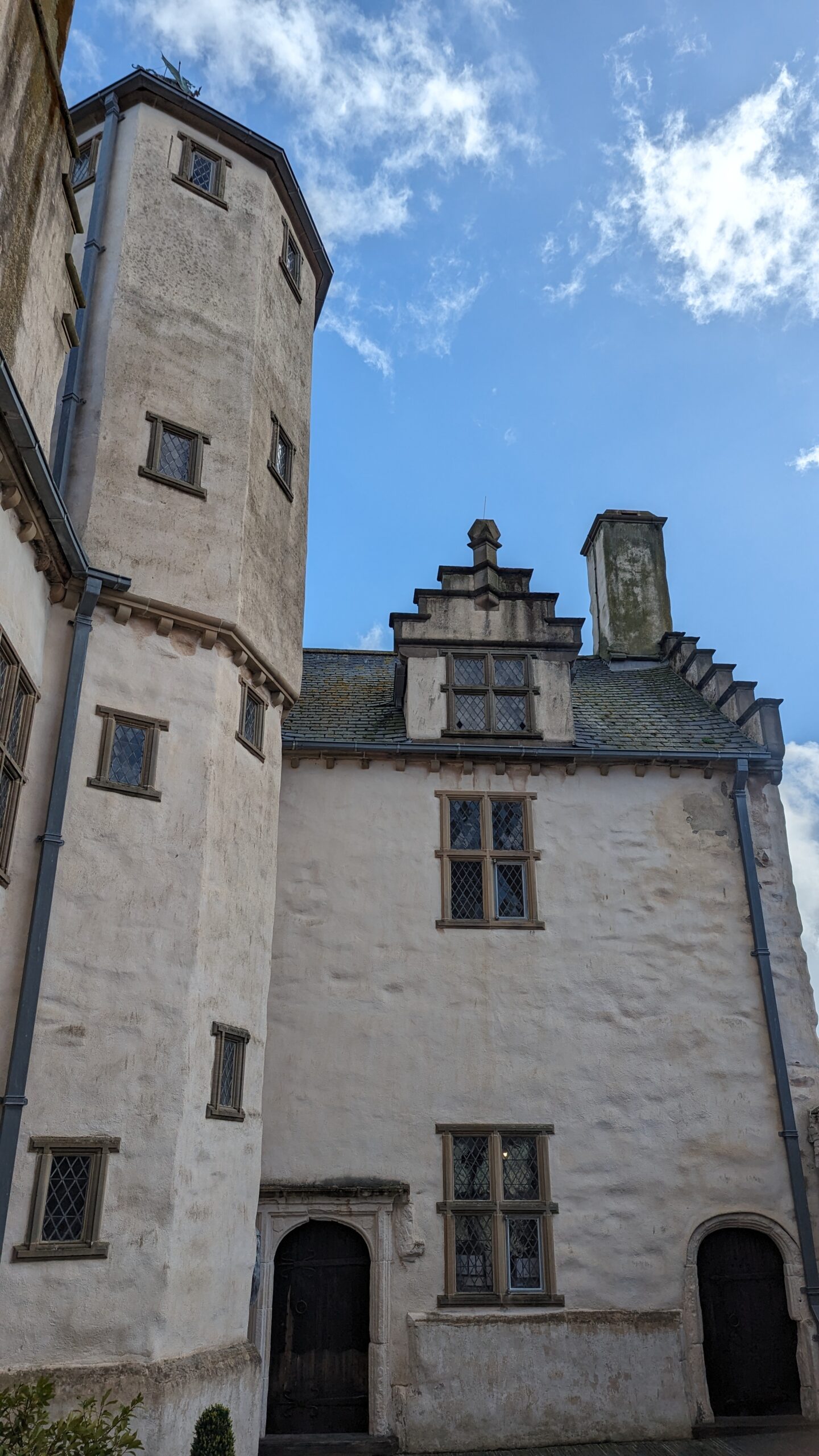
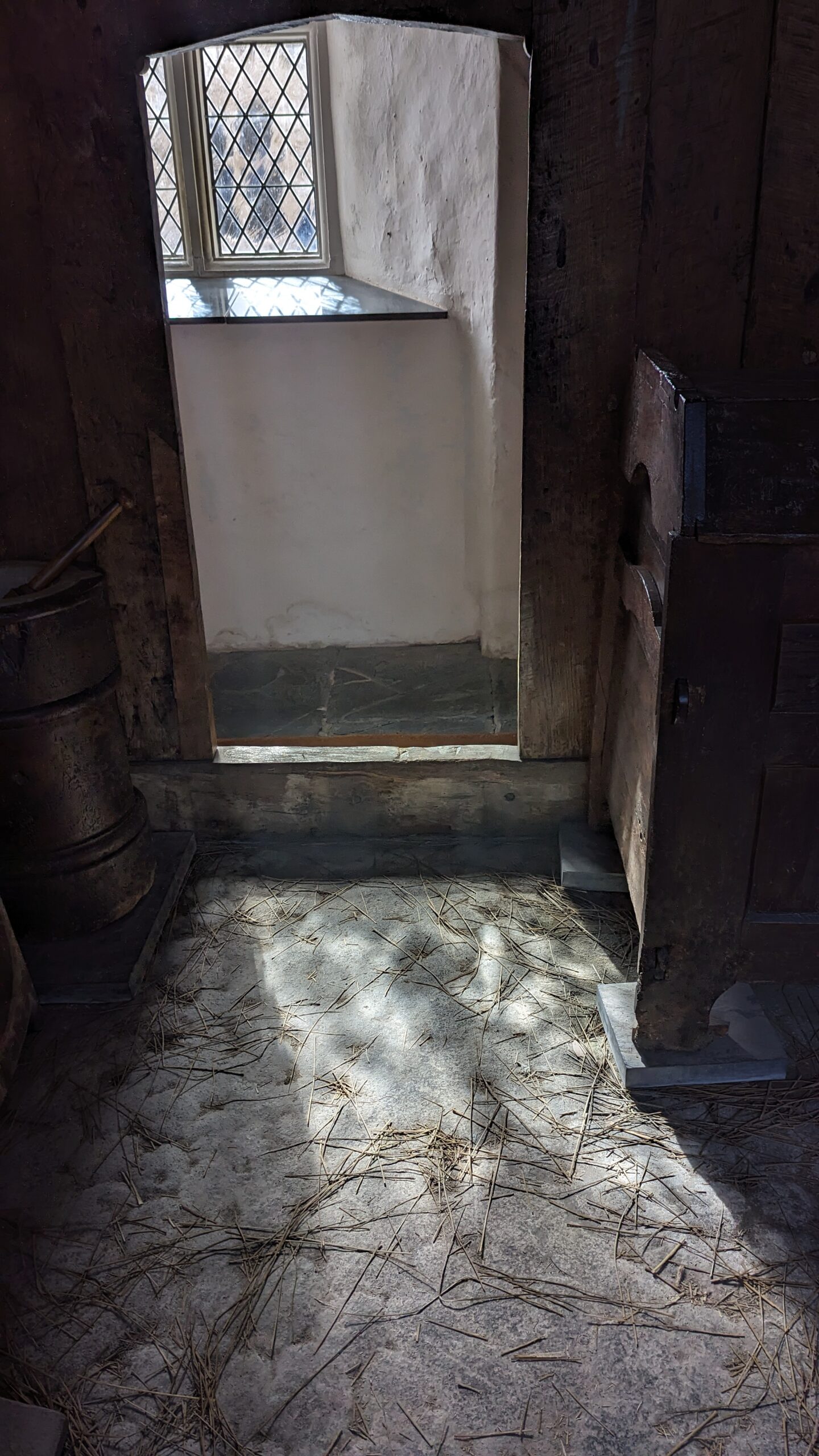
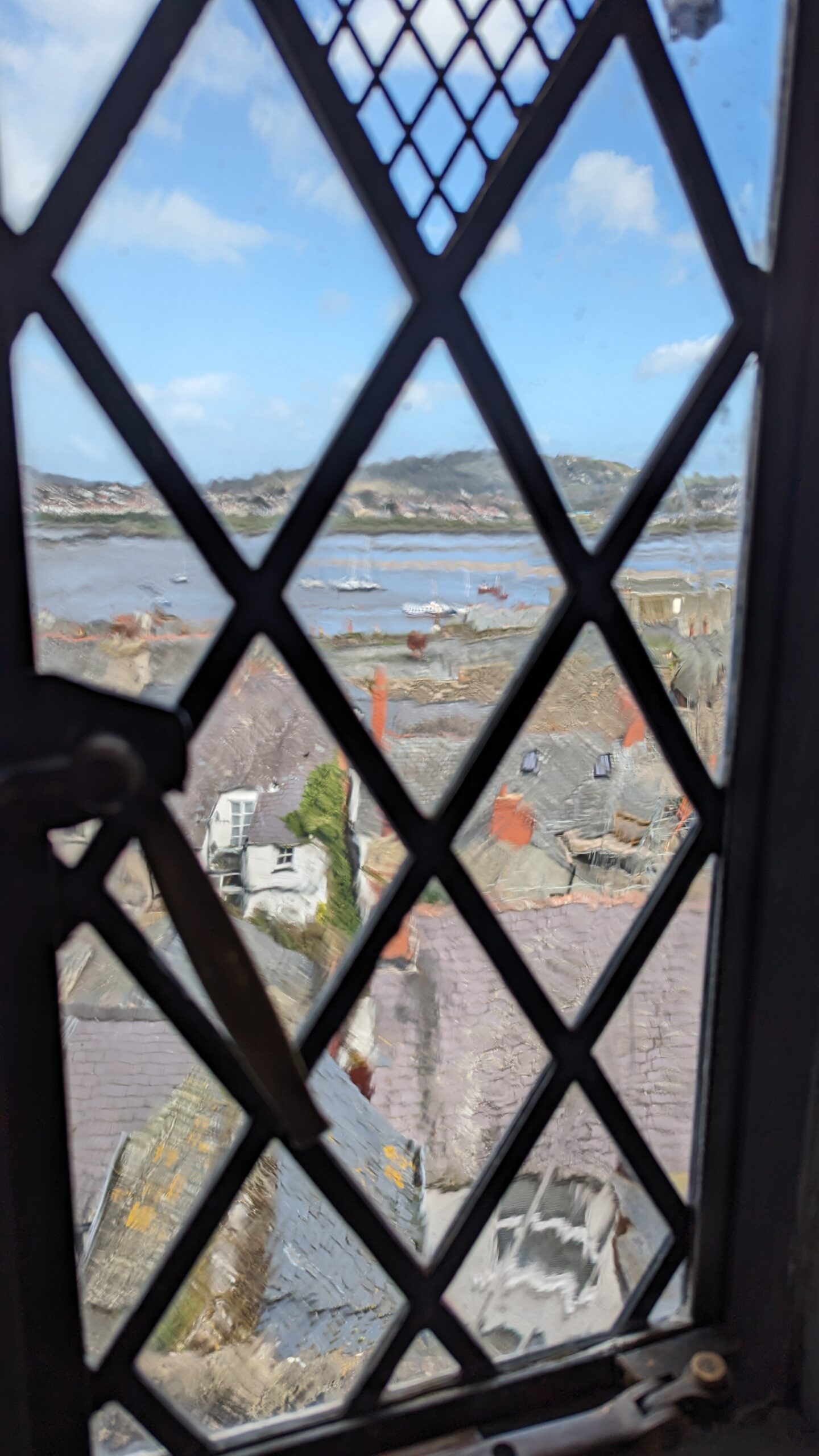
Well last weekend we lived it, taking over the stunning Plas Mawr in Conwy, North Wales; a wonderously intact Elizabethan town built by Robert Wynn, third son of a local landowner, between 1576 and 1585.
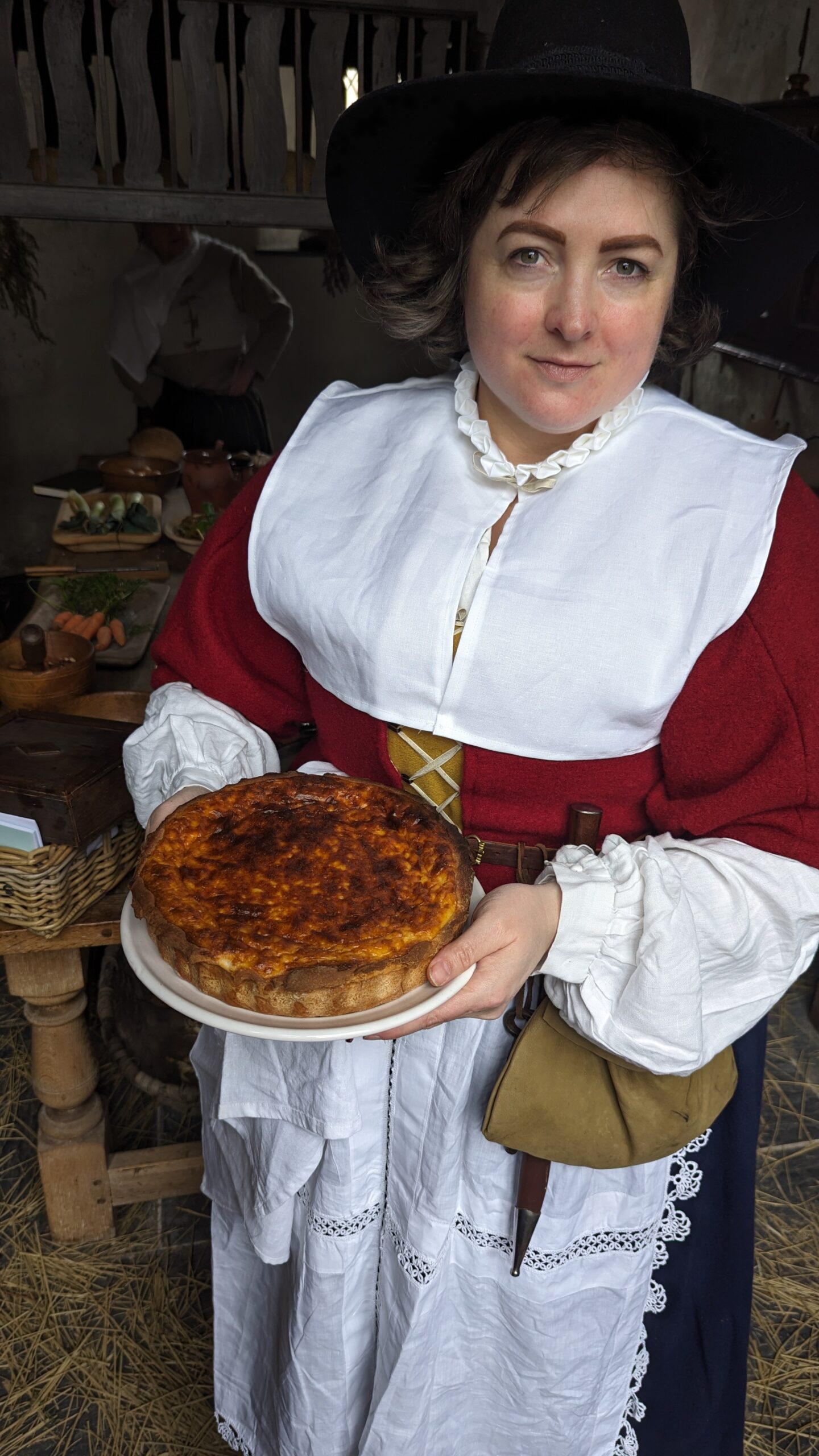
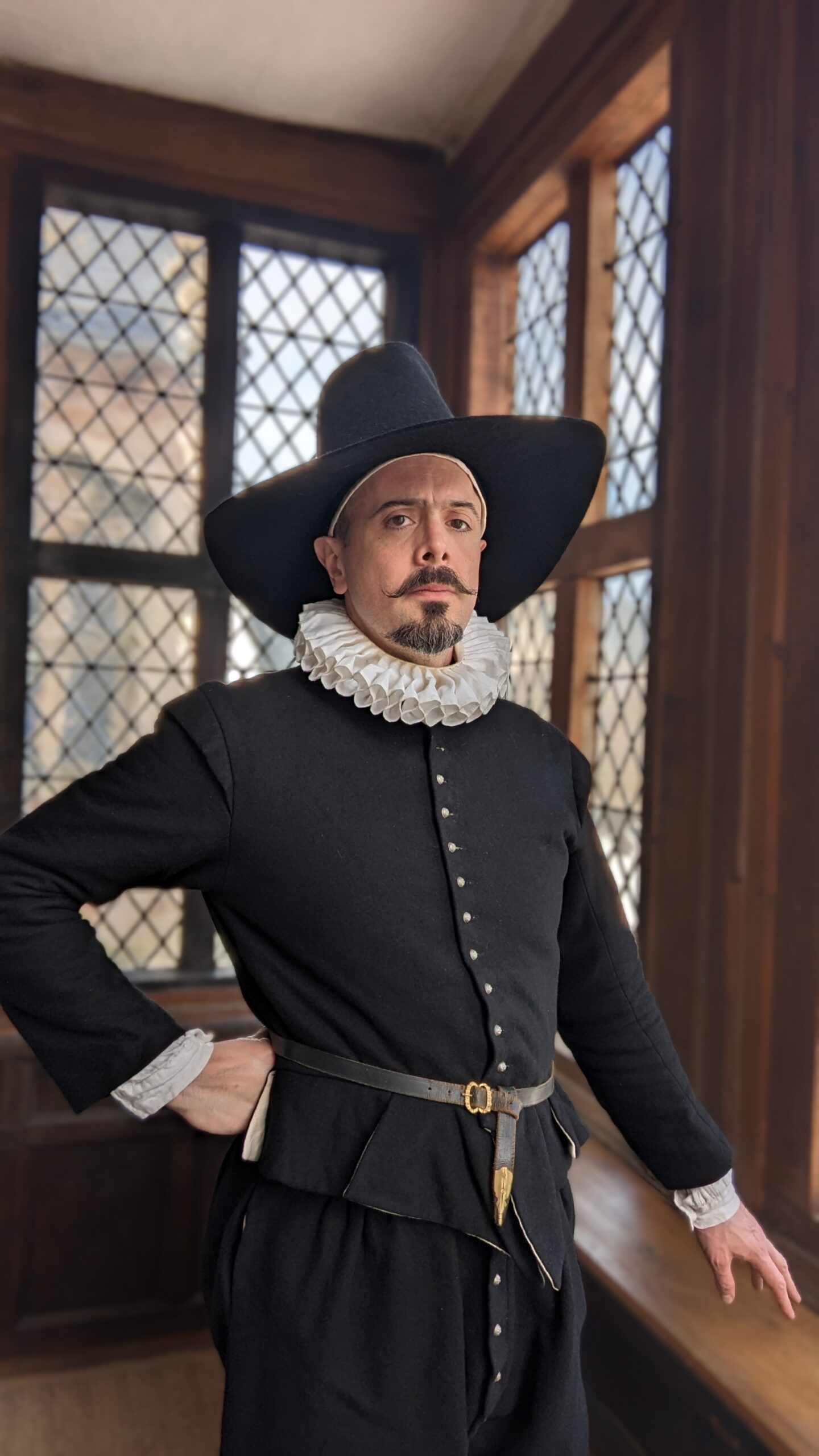
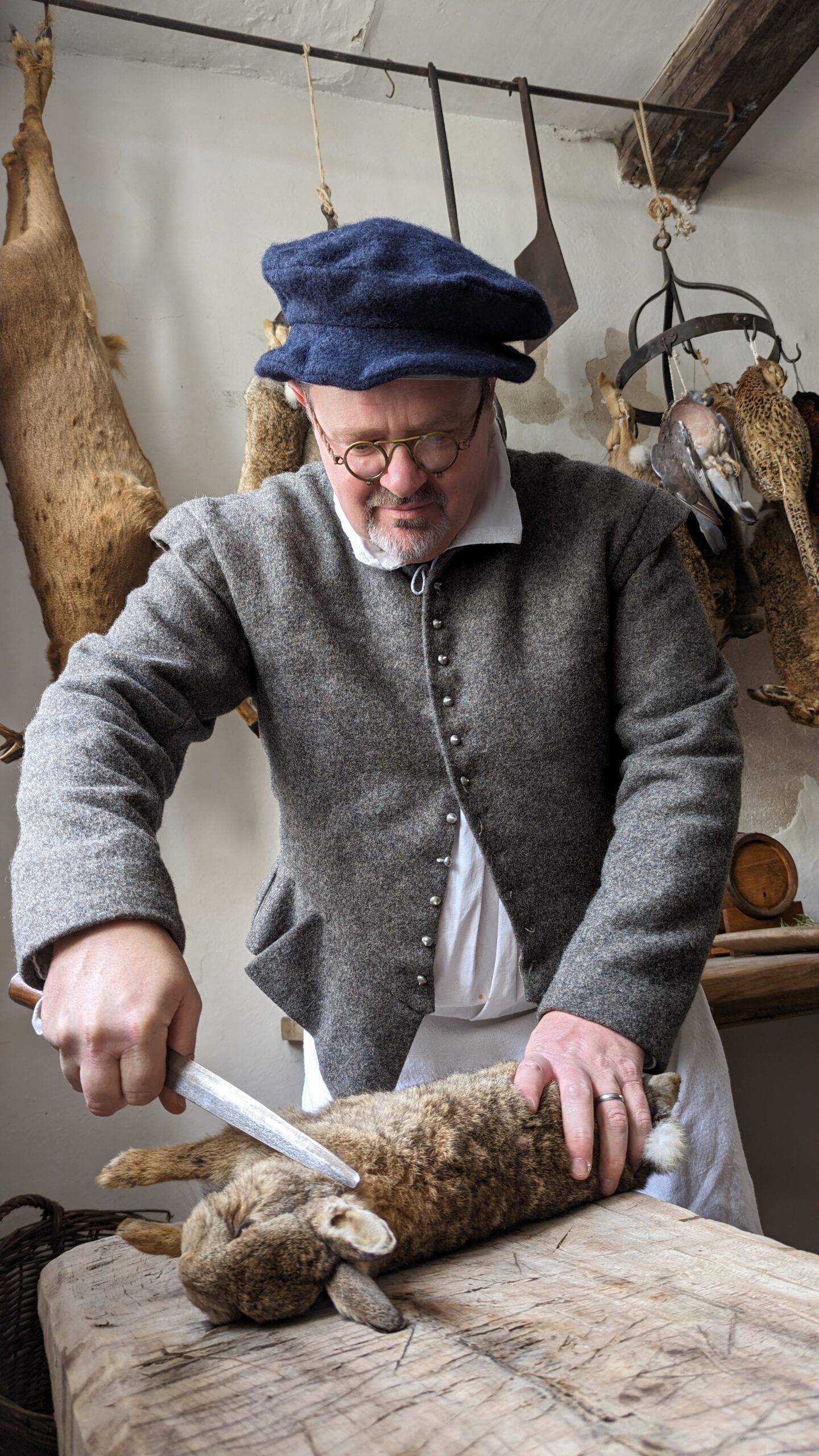
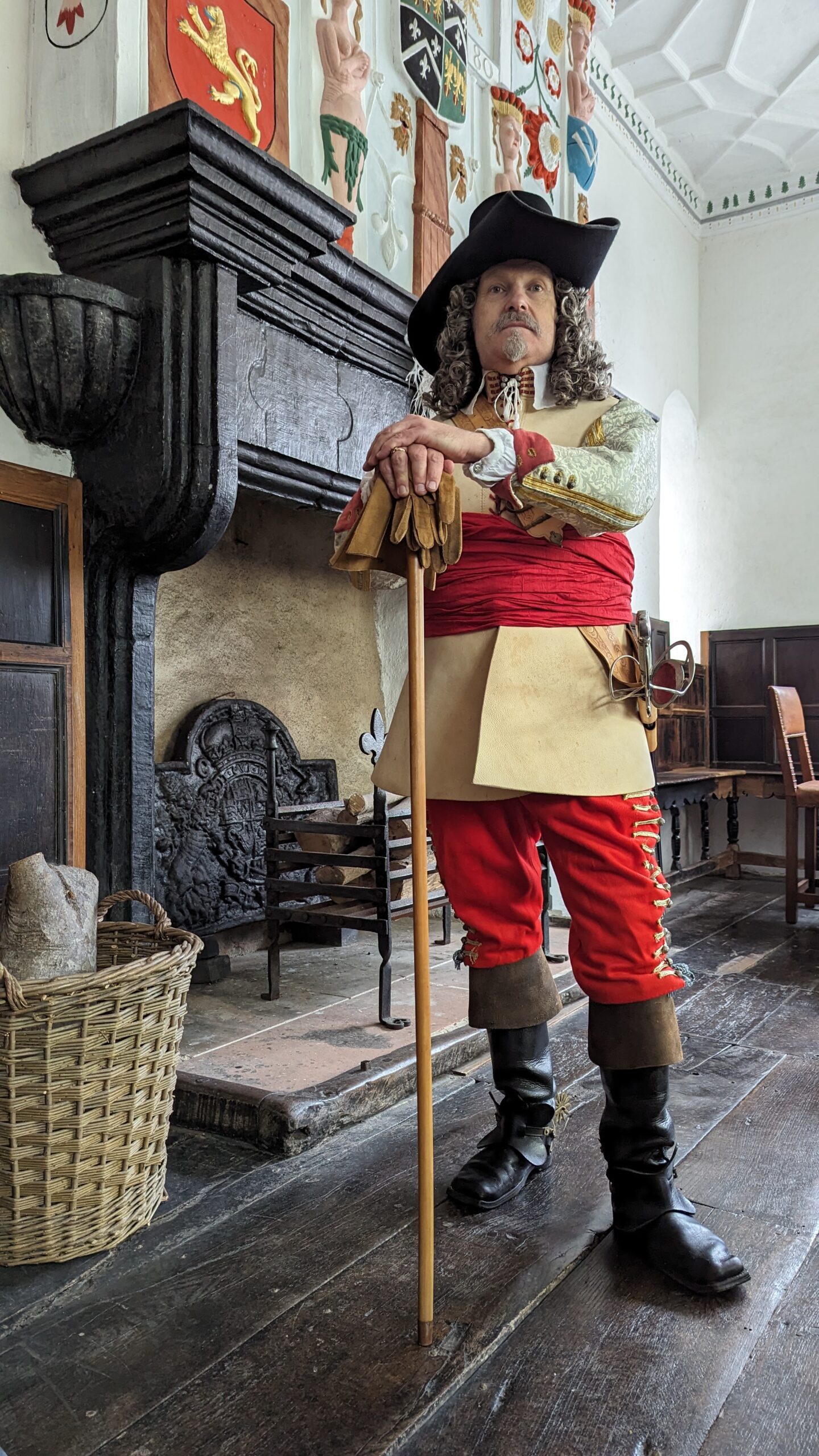
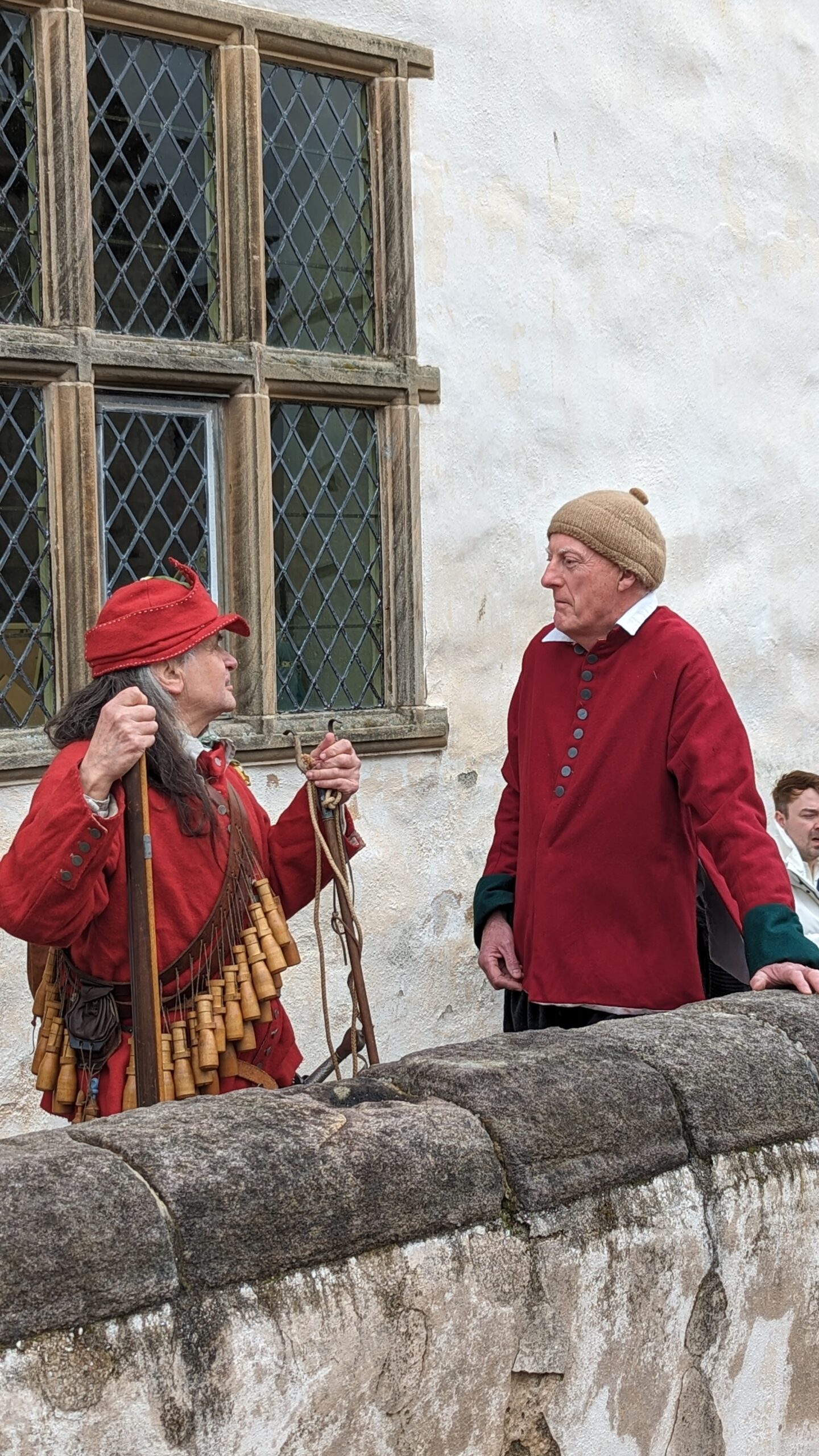
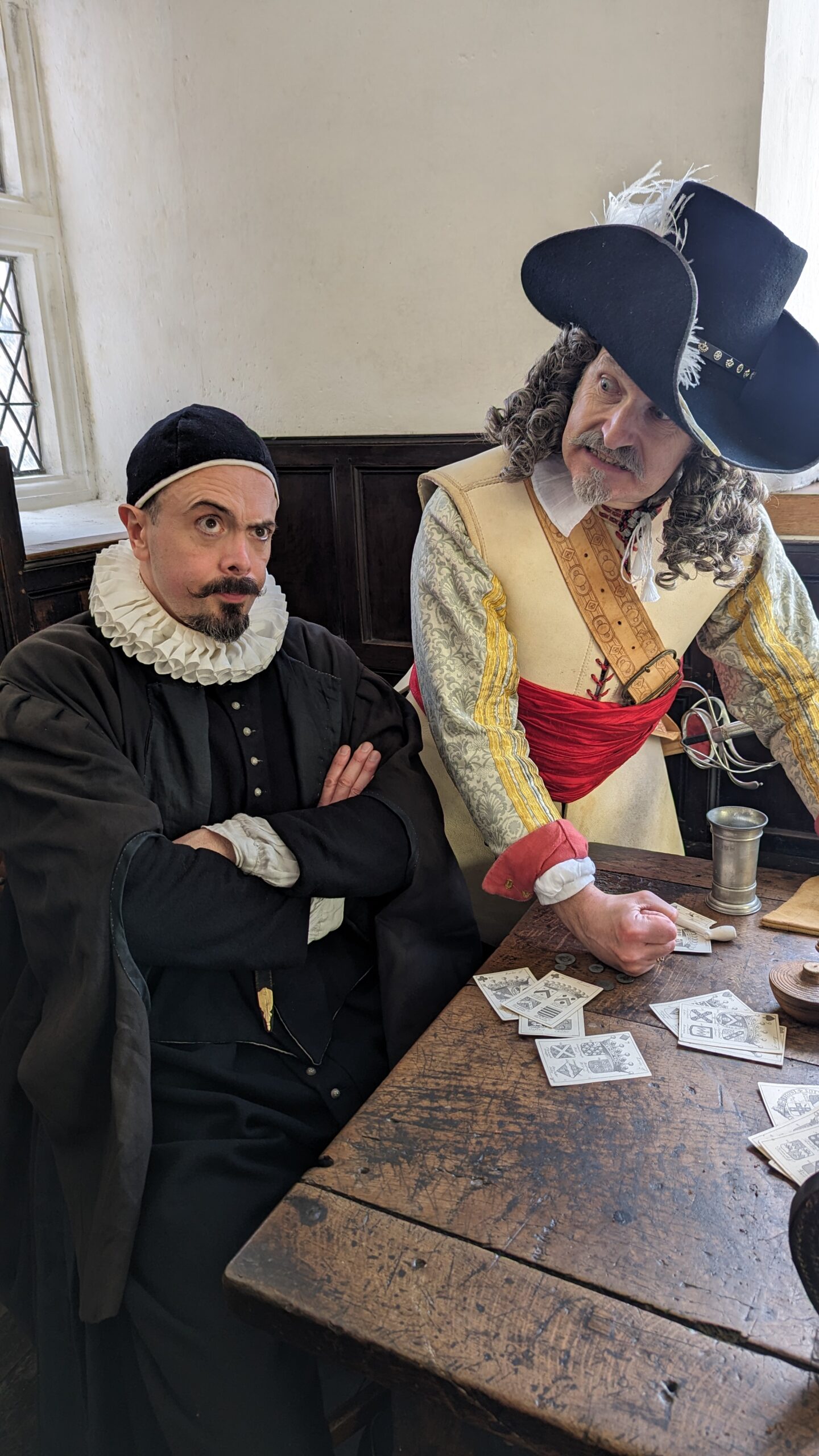
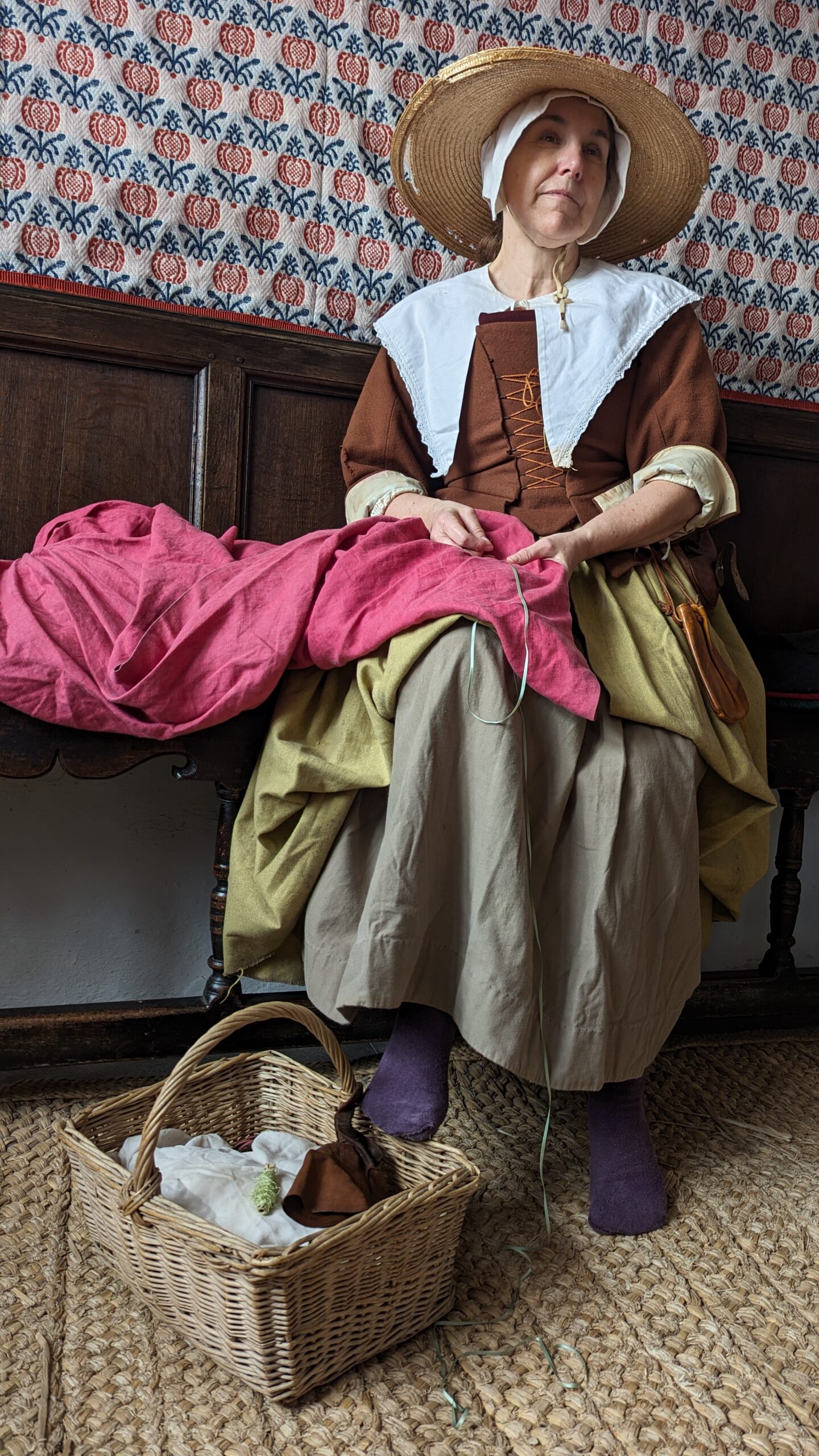
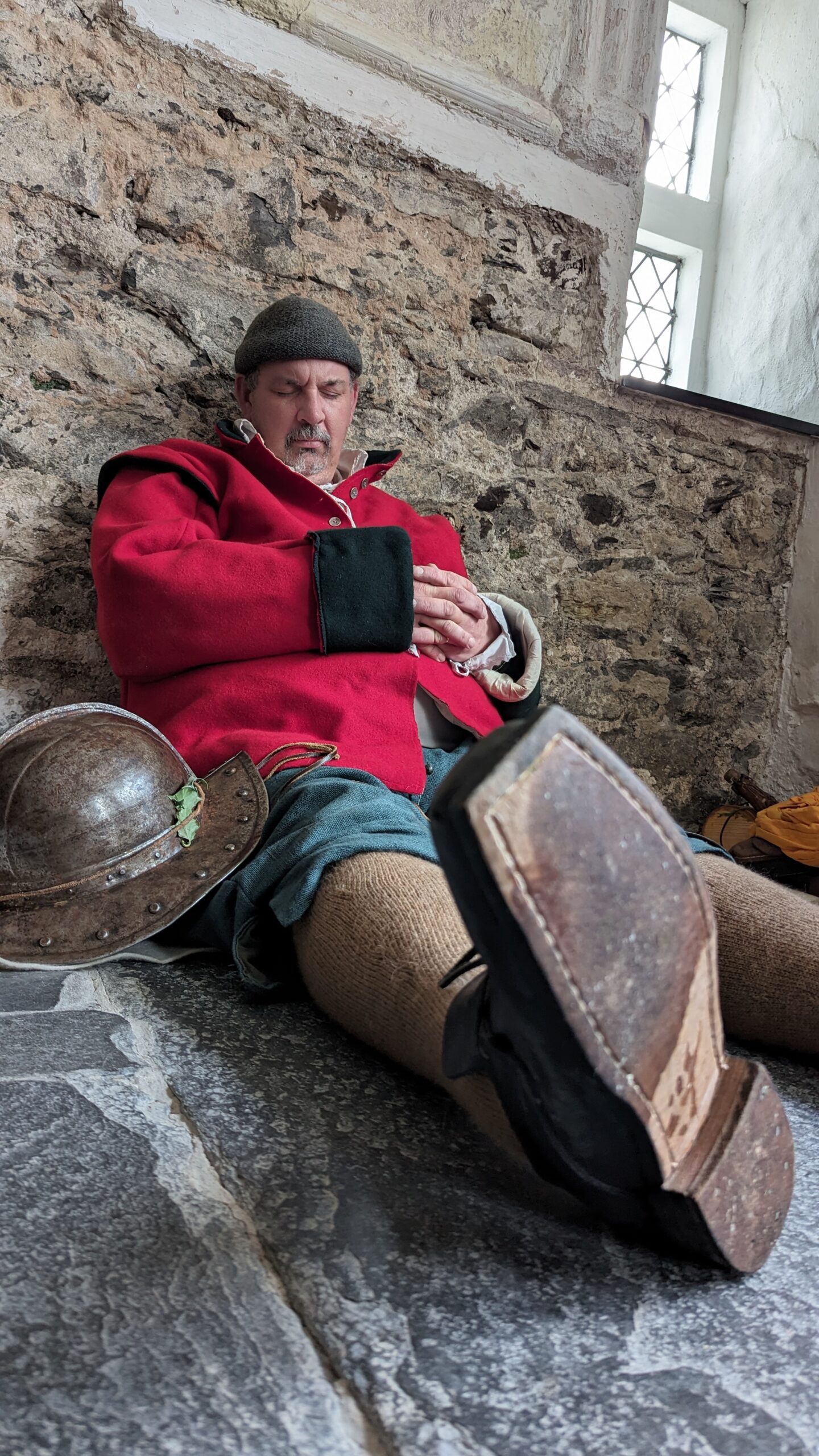
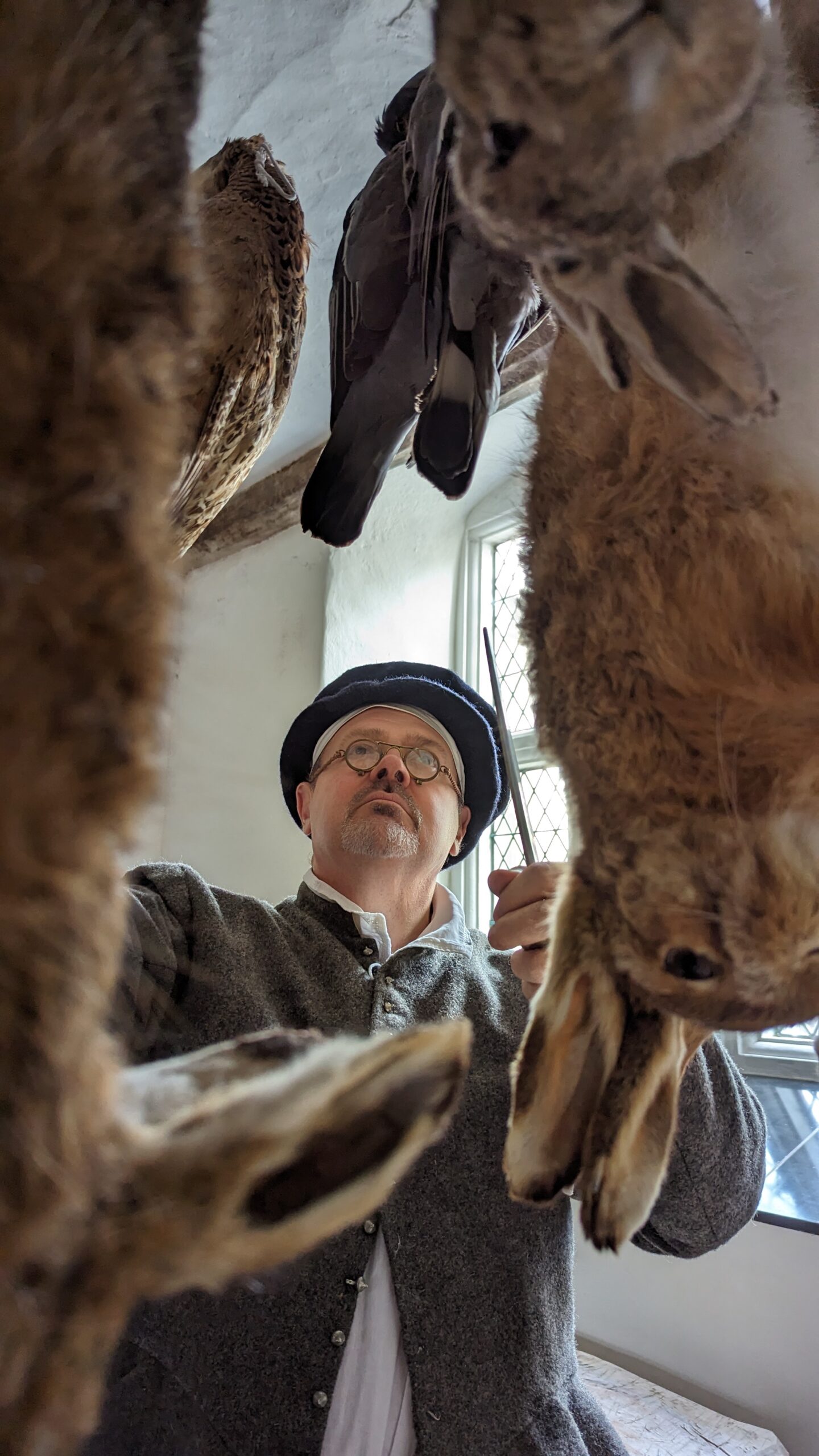
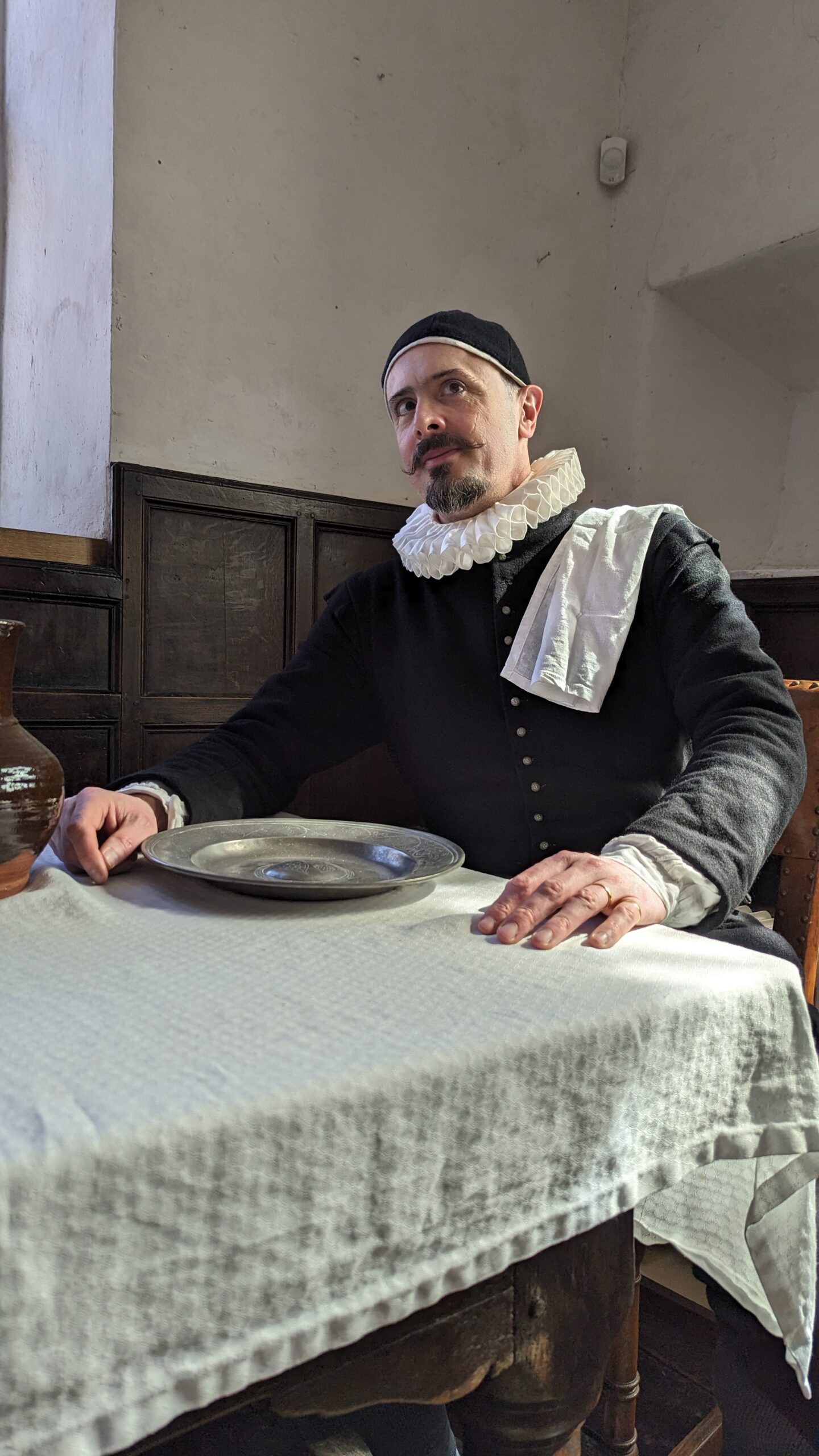
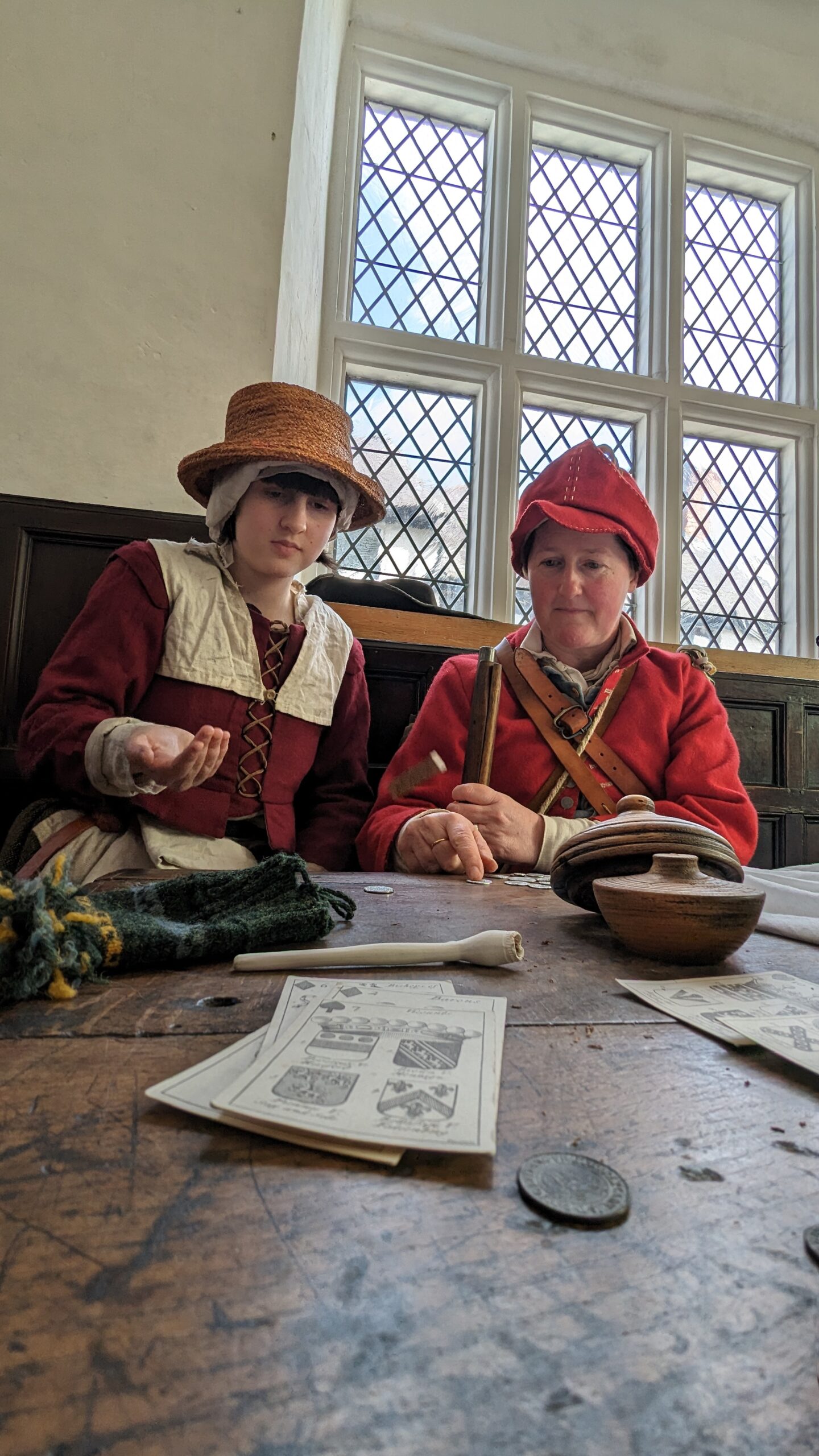
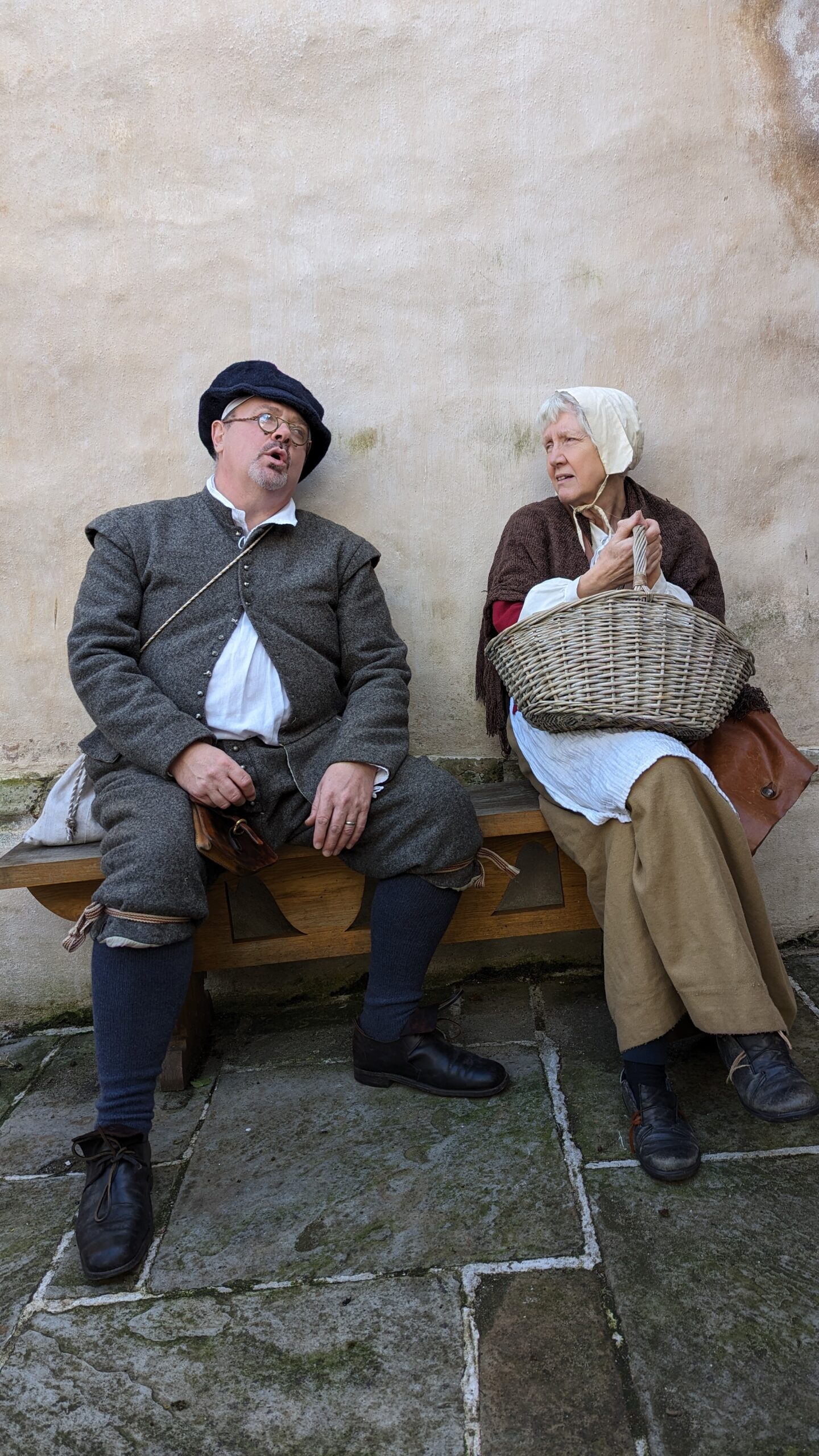
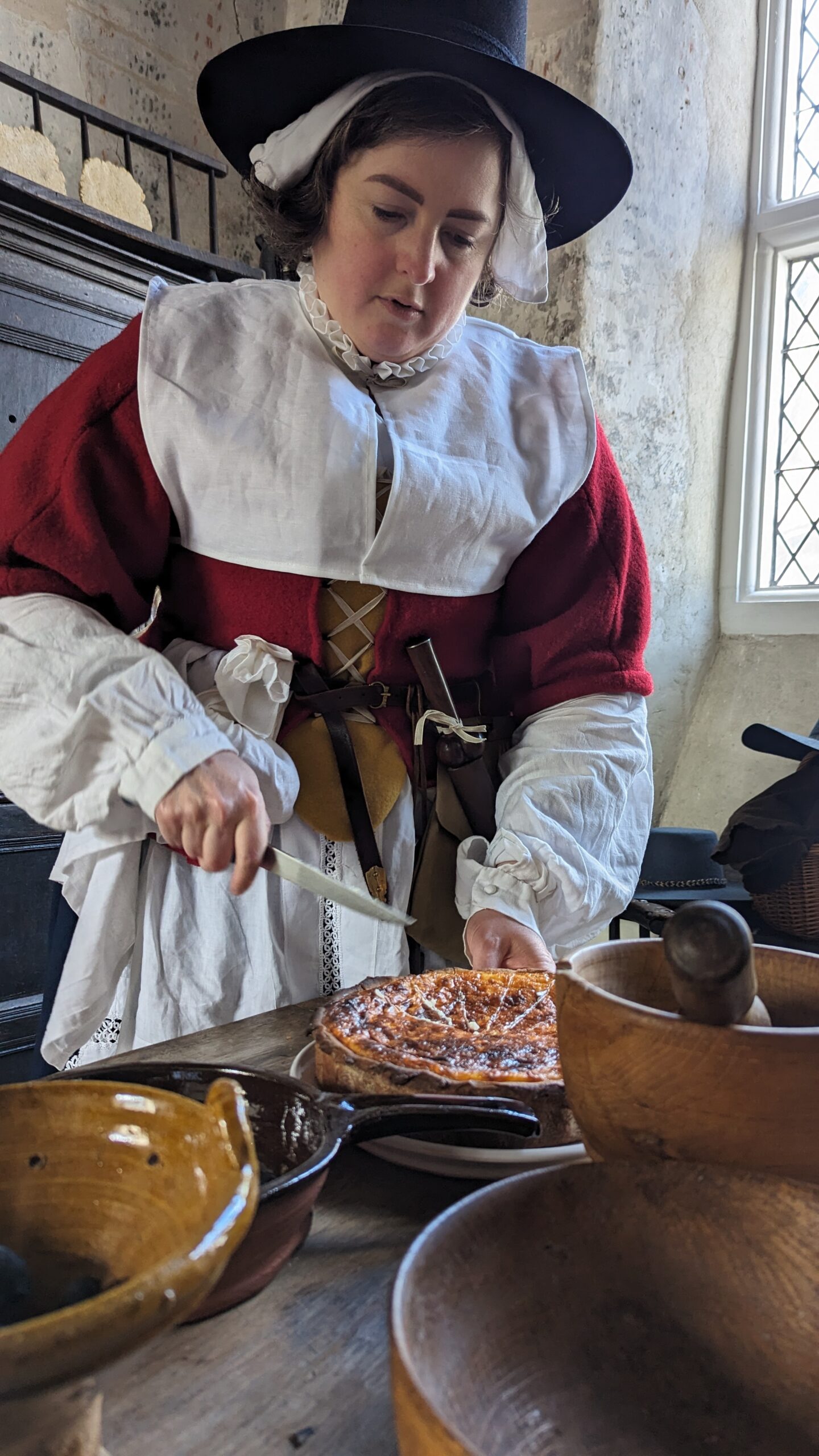
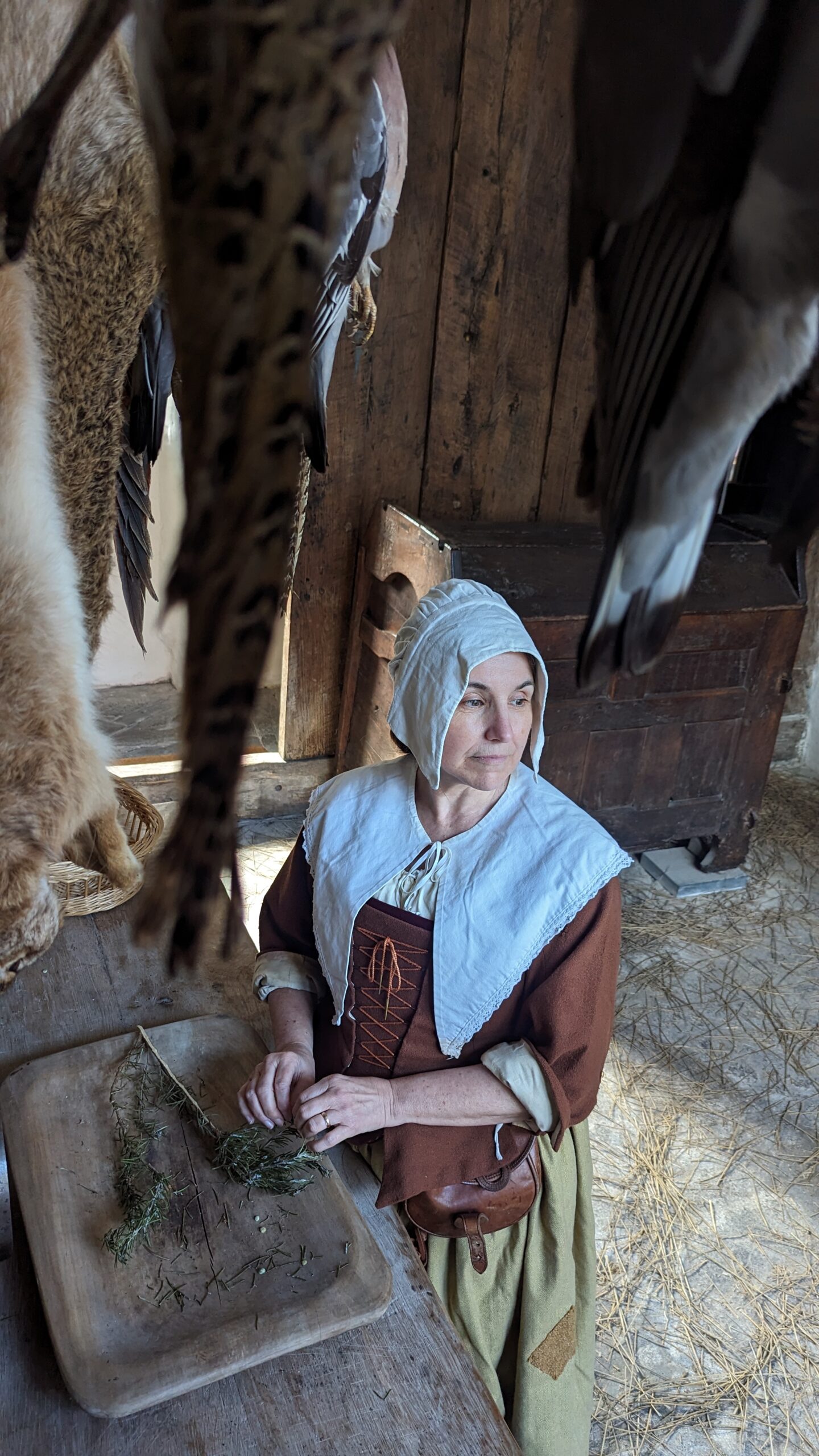
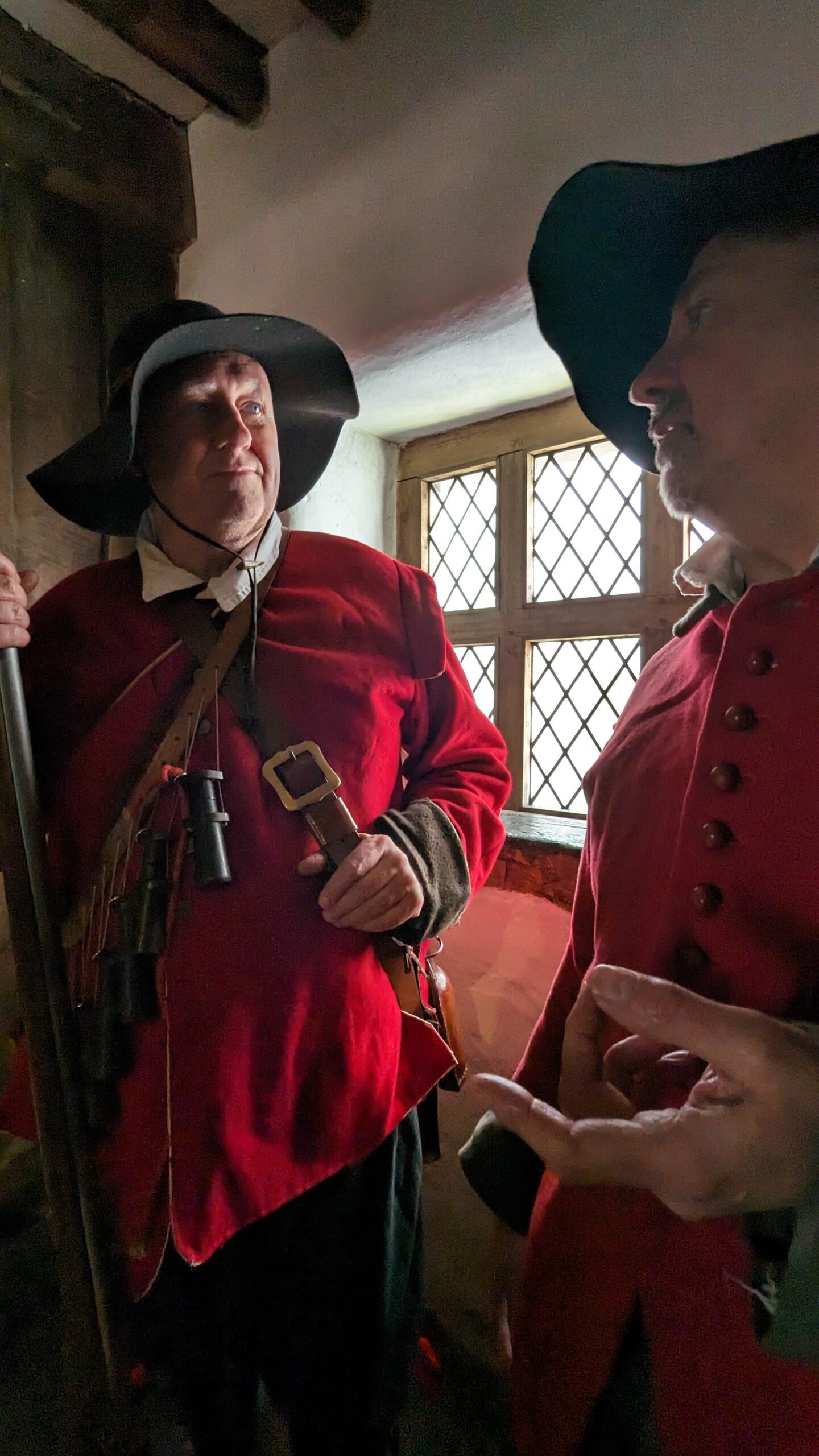
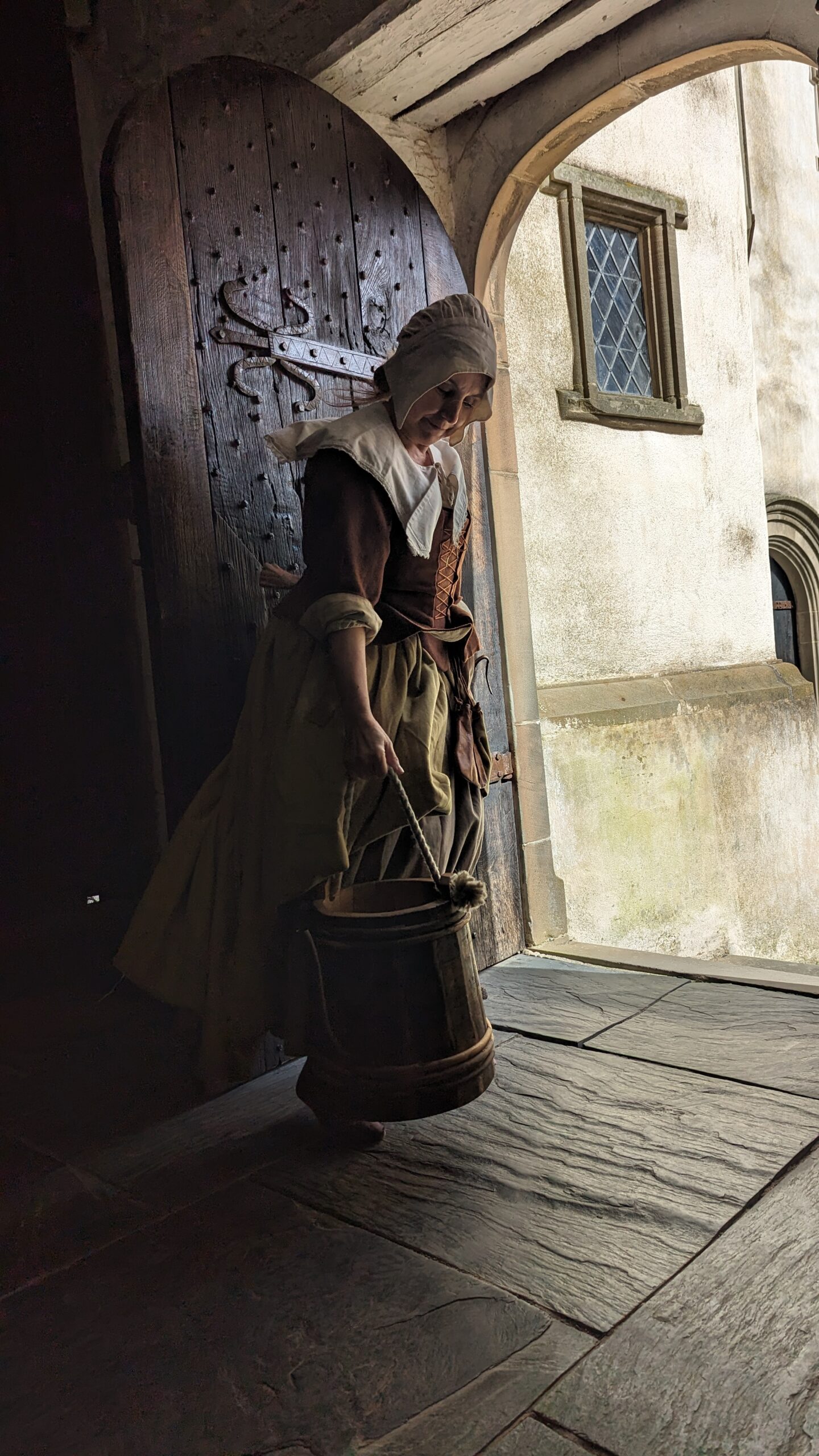
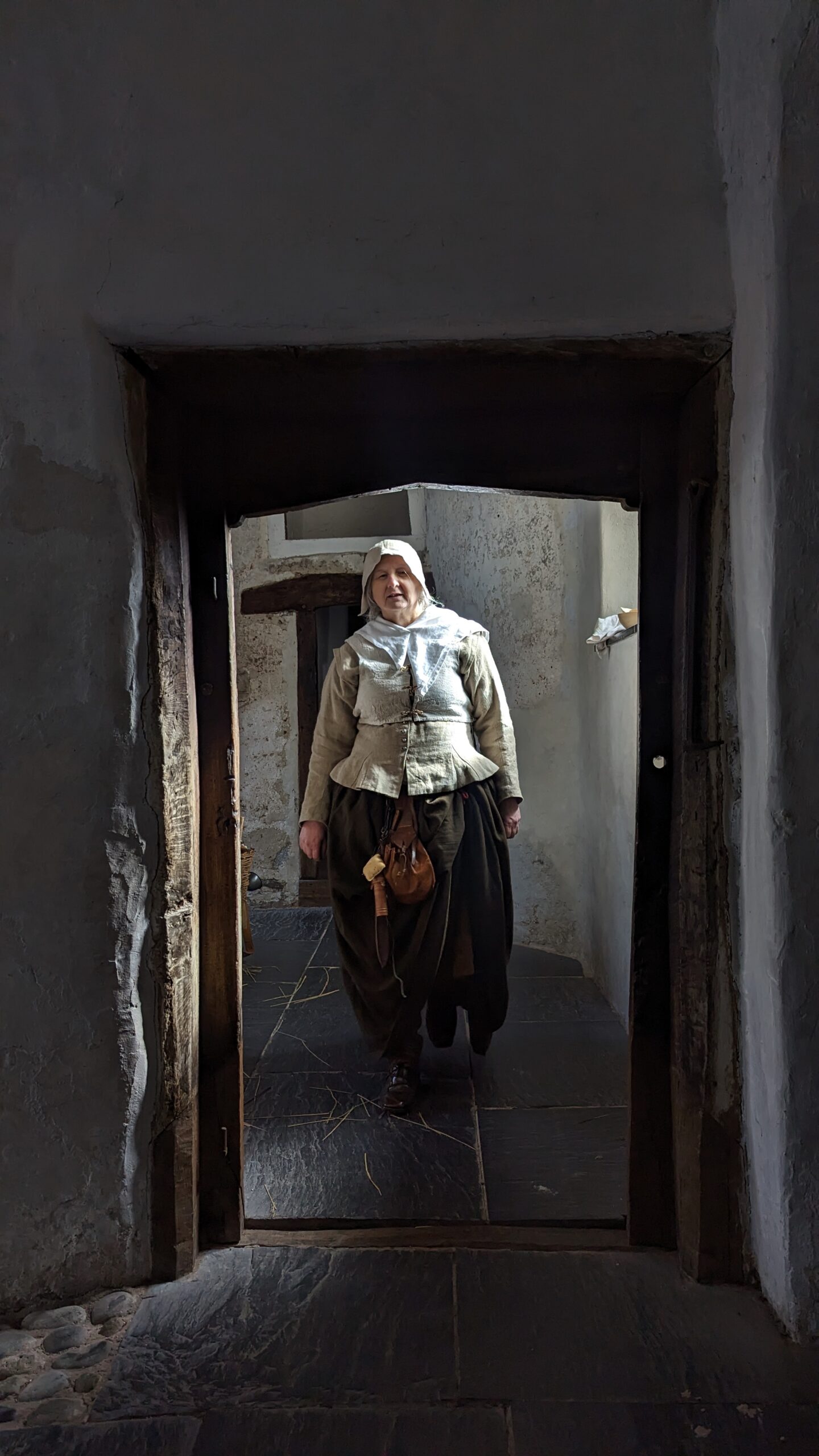
From an archbishop to a poor woman selling trinkets, our members took up residence in the gorgeous environs of the house to bring its civil war history alive. This ‘living history’ event was built around presentations by author Charles Cordell about the siege of Cornwall in 1646, which saw a Royalst garrison holding out against Parliamentarian besiegers at the very end of the first civil war.
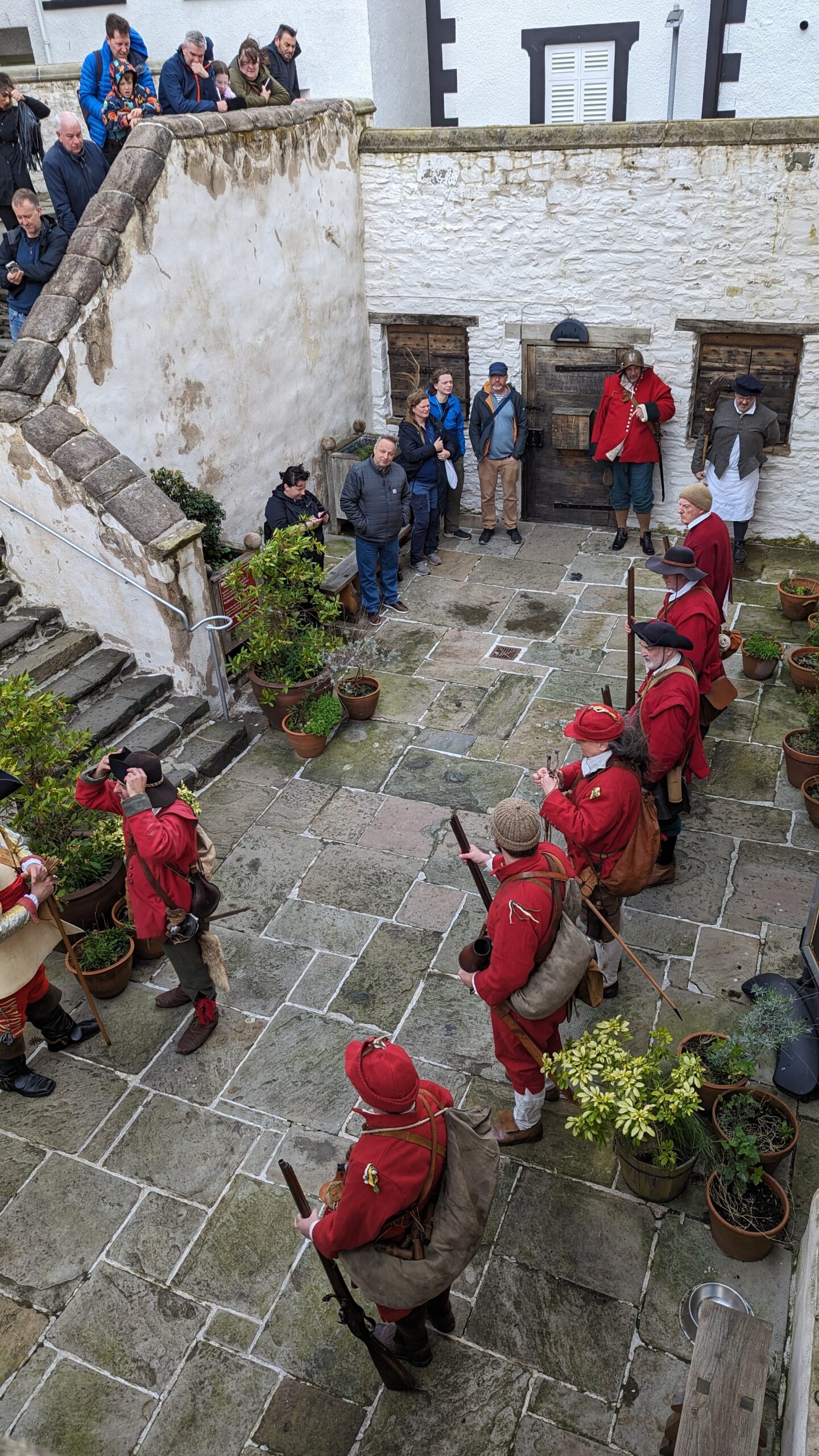
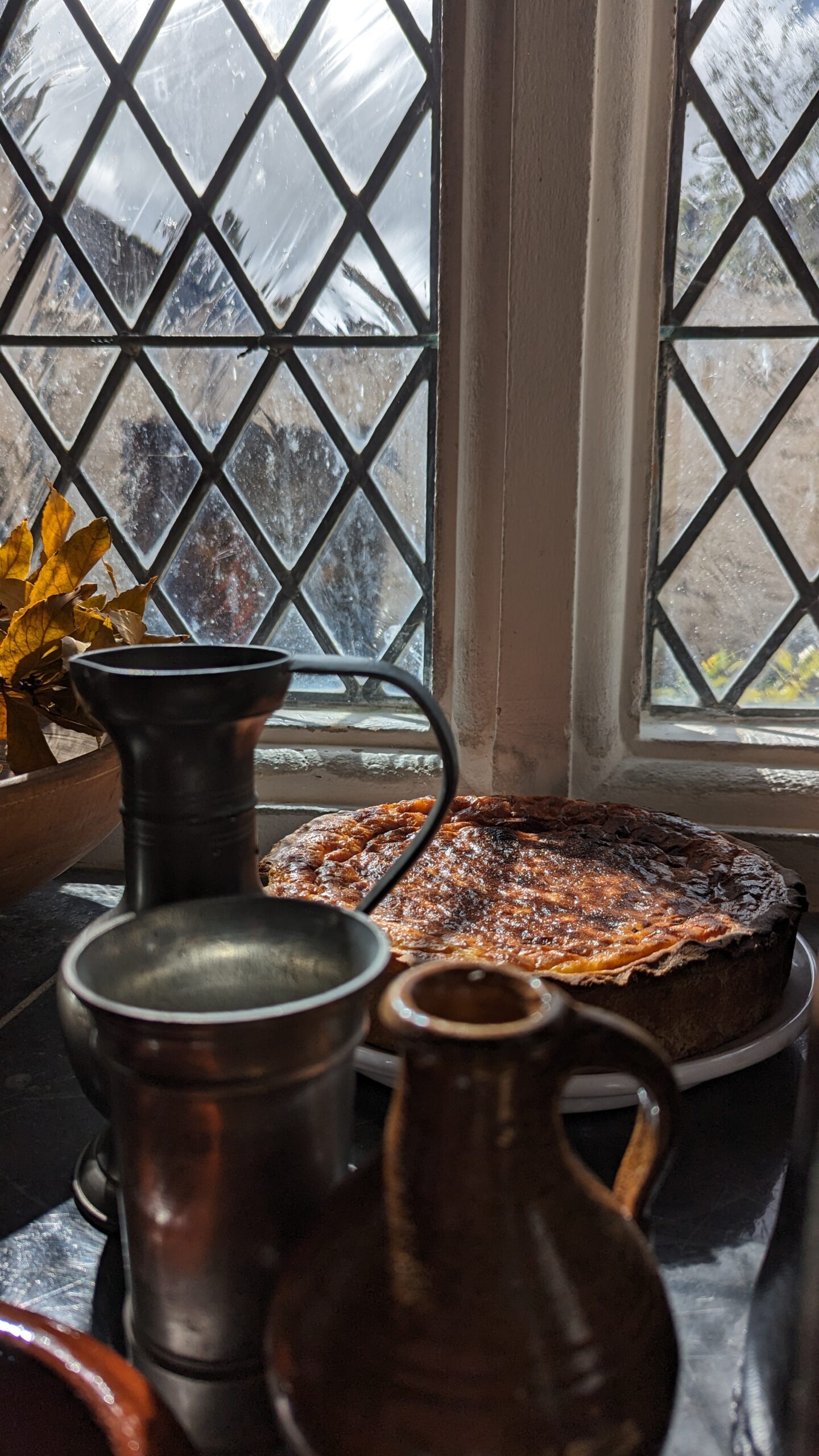
This was such a fun day, as our merry band occupied the grand hall and intimate parlour, a bustling kitchen and larder, and even the house’s stunning tower (though the windy weather from Storm Kathleen made quite a noise!). In the front courtyard, soldiers were put through their paces by officers as dozens of visitors looked on.
A huge thanks to our friends in Sir John Owen’s Regiment of Foote for the kind invitation and to all the Cadw staff at Plas Mawr for making us so welcome!


In 1627, King Charles sold the dilapidated medieval castle at Conwy to Edward Conway, 1st Viscount Conway, for £100 and Edward’s son, also called Edward, inherited it in 1631. When war broke out in 1642 the Archbishop of York, John Williams, took charge of the castle on behalf of the King, and spent a fortune repairing and garrisoning it. However, in 1645 Sir John Owen – a tough, battle-scarred cavalry commander with a reputation for arrogance – demanded Prince Rupert grant him the governorship of Conwy, much to Williams’s fury. Williams refused to leave the Castle but Sir John forced his way in, threw his rival out and moved his troops in, including an Irish contingent.
The following year, and with the Royalist cause failing, the Parliamentarians took Chester and marched along the North Wales coast, pursued by a Royalist army that had become little more than an undisciplined rabble, stealing cattle and destroying crops – including on Williams’s Penrhyn Estate. Infuriated, Williams switched sides.
In August 1646, a Parliamentarian army surrounded Conwy and began a bombardment – coordinated by Archbishop Williams himself. The town was taken – despite the scaling ladders being too short – and some of the Irish soldiers bound and thrown into the estuary. The Castle was then besieged and bombarded from August until November. Eventually, the Royalists were allowed to march out with their banners and swords, but not their muskets, and the troops, including the remaining Irish, were allowed to leave unharmed.