The latest news from the Earl of Manchester’s Regiment…
Follow our blog for up-to-date information on our events, discover more about the fascinating history of the English Civil Wars, and get the chance to meet some of our members…
In the 17th Century, Christmas Day was more than just a religious date – it marked the beginning of the traditional ‘Twelve Days of Christmas’ between Christmas and Epiphany Eve, commonly called ‘Twelfth Night’ – we know it from the much later song, but for people in Stuart England this period was a highlight of…
Details
In the 17th Century, Christmas Day was more than just a religious date – it marked the beginning of the traditional ‘Twelve Days of Christmas’ between Christmas and Epiphany Eve, commonly called ‘Twelfth Night’ – we know it from the much later song, but for people in Stuart England this period was a highlight of…
Details
In the 17th Century, Christmas Day was more than just a religious date – it marked the beginning of the traditional ‘Twelve Days of Christmas’ between Christmas and Epiphany Eve, commonly called ‘Twelfth Night’ – we know it from the much later song, but for people in Stuart England this period was a highlight of…
Details
In the 17th Century, Christmas Day was more than just a religious date – it marked the beginning of the traditional ‘Twelve Days of Christmas’ between Christmas and Epiphany Eve, commonly called ‘Twelfth Night’ – we know it from the much later song, but for people in Stuart England this period was a highlight of…
Details
In the 17th Century, Christmas Day was more than just a religious date – it marked the beginning of the traditional ‘Twelve Days of Christmas’ between Christmas and Epiphany Eve, commonly called ‘Twelfth Night’ – we know it from the much later song, but for people in Stuart England this period was a highlight of…
Details
In the 17th Century, Christmas Day was more than just a religious date – it marked the beginning of the traditional ‘Twelve Days of Christmas’ between Christmas and Epiphany Eve, commonly called ‘Twelfth Night’ – we know it from the much later song, but for people in Stuart England this period was a highlight of…
Details
In the 17th Century, Christmas Day was more than just a religious date – it marked the beginning of the traditional ‘Twelve Days of Christmas’ between Christmas and Epiphany Eve, commonly called ‘Twelfth Night’ – we know it from the much later song, but for people in Stuart England this period was a highlight of…
Details
Over the next 48 hours, the inventiveness of the nation’s cooks will be being put sorely to the test as the remains of innumerable turkeys are whittled down into pies, curries, and soups for those not yet tired of this magnificent fowl.
Details
Members of the public are always full of questions about what we do and why, from where we get our costumes from to how we choose sides. One of the most common questions is “How did you get into reenactment?”. For every member of our regiment it’s a different story – some of us had…
Details
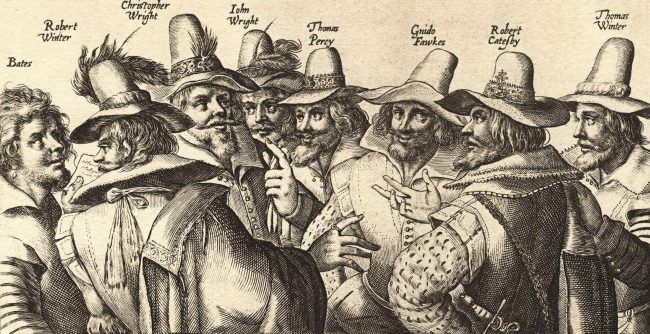
Why do we celebrate Guy Fawkes Night? How ‘gunpowder, treason and plot’ turned into ‘bonfires, fireworks and vandalism’… (Plus the surprising connection with the Earl of Manchester!) Guy Fawkes Night, Bonfire Night, Squib-Night, Plot Night, or simply ‘The Fifth’ are just some of the names that have been used to describe one of the most…
Details
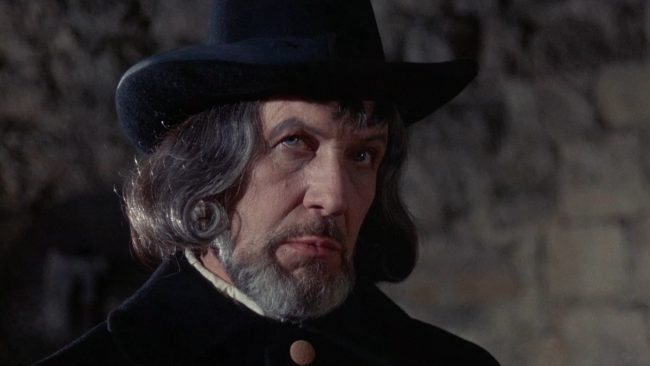
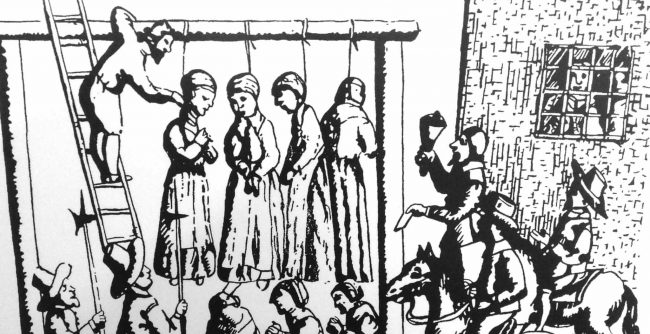
The witch-finders of the 17th Century have become a staple of cheap horror since they preyed on communities. Helped by folktales, books, TV shows and films, most famously the 1968 Witchfinder General starring Vincent Price, the figure of this self-appointed Christian inquisitor has, ironically, taken on almost supernatural qualities as a symbol of evil and…
Details
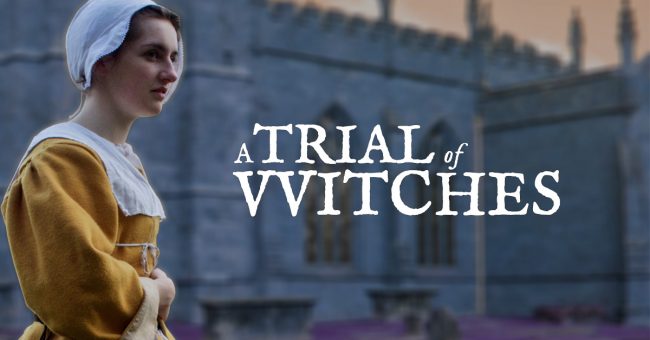
On Friday 26th October, we are taking the Ashmolean Museum back to a dark period of English history as we conduct a 1600s witch trial as part of the critically-acclaimed Spellbound exhibition. Our players will be staging performances throughout the museum as part of the fantastic Live Friday event, as we use authentic accounts from witch trials of…
Details
Every Hallowe’en, the internet is awash with stories of the ‘witches’ and witch-finders of the 17th Century. But although Matthew Hopkins, the notorious ‘Witchfinder General’ is undoubtedly the most famous witch-hunter, he was by no means alone. The practice of ‘witch-finding’ was relatively rare in England and most accusations of witchcraft would have been dealt…
Details
History has made Matthew Hopkins something of a boogeyman. Helped in no small part by folktales, books, TV shows and films, including the 1968 Witchfinder General starring Vincent Price, he has become a symbol of the archaic past, of the madness of religious zealotry and of superstition. But who was Matthew Hopkins, more commonly known…
Details
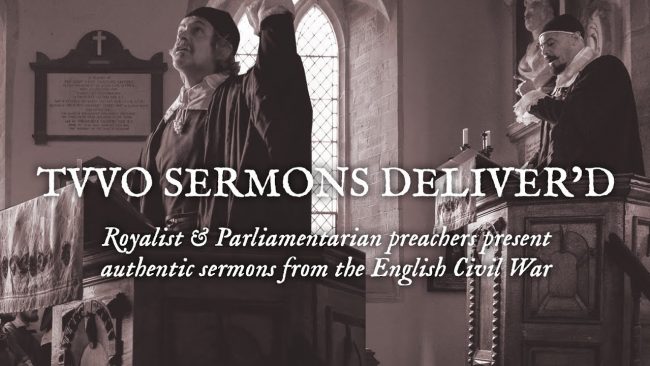
The church of All Saints in Middle Claydon, nestled in the Buckinghamshire countryside, is filled with tributes to the Verney family who were intimately involved in and affected by the Civil War. It was the perfect setting for two of the Sealed Knot’s preachers to bring the words of two contemporary 17th Century preachers back to…
Details