The latest news from the Earl of Manchester’s Regiment…
Follow our blog for up-to-date information on our events, discover more about the fascinating history of the English Civil Wars, and get the chance to meet some of our members…
Reenactment isn’t just about battling in fields and cosy camp fires, you can also get to take part in unusual and unexpected events that help bring Britain’s civil war alive. The Levellers are one of the most important and well-known groups from the English Civil War, a radical grass roots political movement that, in 1647,…
Details
Sieging and besieged: who were the soldiers who fought to control Pontefract Castle? This weekend Pontefract Castle will once again echo with the sound of cannons and muskets as we take it back to the English Civil War for a fascinating weekend of reenactment – all free for visitors! On 1st and 2nd June, the castle…
Details
Siege warfare in the English Civil Wars “If you lay siege to a town, you will exhaust your strength.” – Sun Tzu Contrary to popular notions of set piece clashes filled with dashing cavalry charges and tens of thousands of soldiers, sieges were “every bit as important as battle in the Civil Wars … holding…
Details
Besieged: The Battle For Pontefract Castle 1644-5 The first great chronicler of the English Civil War, The Earl of Clarendon, described the location of Pontefract Castle in Yorkshire as “very strong, no part whereof was commanded by any other ground” and said “the house was very large, with all offices suitable to a Princely seat,…
Details
‘The Key to the North’: Pontefract Castle’s place in the English Civil War “[Pontefract Castle is] well watered; situated on rock in every part of it; and therefore difficult to mine. The walls are very thick and high, with strong towers; and if battered, very difficult to access, by reason of the depth and…
Details
In 1644, the ancient city of Lincoln was on the front line of the English Civil War. With its lofty castle and commanding views of the surrounding countryside, Lincoln sits the frontier between East Anglia, the North, and the Midlands. And during the first English Civil War, it was a point over which the tide…
Details
On 14th June 1645, the fields between the Northamptonshire villages of Naseby and Sibbertoft saw one of the most significant battles in British history. Royalist troops loyal to King Charles I and the Parliamentarian ‘New Model Army’ led by Sir Thomas Fairfax met in the culmination of a three-year bloody civil war that had pitted…
Details
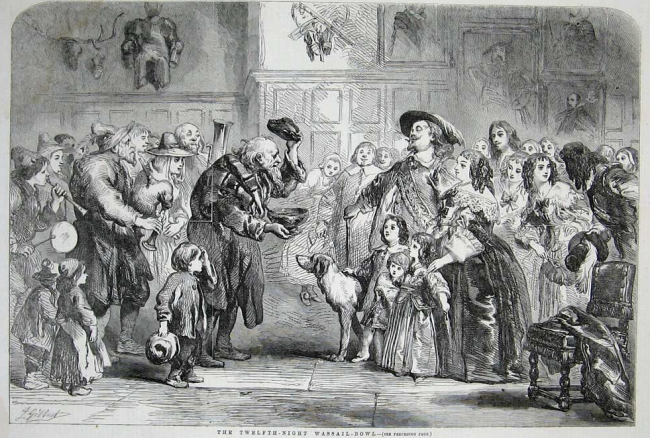
In the 17th Century, Christmas Day was more than just a religious date – it marked the beginning of the traditional ‘Twelve Days of Christmas’ between Christmas and Epiphany Eve, commonly called ‘Twelfth Night’ – we know it from the much later song, but for people in Stuart England this period was a highlight of…
Details
In the 17th Century, Christmas Day was more than just a religious date – it marked the beginning of the traditional ‘Twelve Days of Christmas’ between Christmas and Epiphany Eve, commonly called ‘Twelfth Night’ – we know it from the much later song, but for people in Stuart England this period was a highlight of…
Details
In the 17th Century, Christmas Day was more than just a religious date – it marked the beginning of the traditional ‘Twelve Days of Christmas’ between Christmas and Epiphany Eve, commonly called ‘Twelfth Night’ – we know it from the much later song, but for people in Stuart England this period was a highlight of…
Details
In the 17th Century, Christmas Day was more than just a religious date – it marked the beginning of the traditional ‘Twelve Days of Christmas’ between Christmas and Epiphany Eve, commonly called ‘Twelfth Night’ – we know it from the much later song, but for people in Stuart England this period was a highlight of…
Details
In the 17th Century, Christmas Day was more than just a religious date – it marked the beginning of the traditional ‘Twelve Days of Christmas’ between Christmas and Epiphany Eve, commonly called ‘Twelfth Night’ – we know it from the much later song, but for people in Stuart England this period was a highlight of…
Details
In the 17th Century, Christmas Day was more than just a religious date – it marked the beginning of the traditional ‘Twelve Days of Christmas’ between Christmas and Epiphany Eve, commonly called ‘Twelfth Night’ – we know it from the much later song, but for people in Stuart England this period was a highlight of…
Details
In the 17th Century, Christmas Day was more than just a religious date – it marked the beginning of the traditional ‘Twelve Days of Christmas’ between Christmas and Epiphany Eve, commonly called ‘Twelfth Night’ – we know it from the much later song, but for people in Stuart England this period was a highlight of…
Details
In the 17th Century, Christmas Day was more than just a religious date – it marked the beginning of the traditional ‘Twelve Days of Christmas’ between Christmas and Epiphany Eve, commonly called ‘Twelfth Night’ – we know it from the much later song, but for people in Stuart England this period was a highlight of…
Details